Are you planning your dream home and trying to decide between timber frame and post and beam construction? Both methods use large wood components and create open, beautiful spaces, but they differ in how they are built and how they perform over time. Understanding these differences can help you choose a structure that fits your style, budget, and long-term goals.
Timber-based construction is also growing in popularity, with the global timber construction market projected to grow at over 6 percent annually in the coming years. This trend reflects a rising demand for sustainable, energy-efficient building methods that still deliver strong structural performance and visual appeal. This guide explains each method in simple terms so you can make a confident and informed decision.
Key Takeaways
- Timber frame uses traditional wood joinery without metal fasteners
- Post and beam relies on metal connectors for easier assembly
- Both methods support open floor plans and exposed wood features
- Structural systems and visual styles are different
- Your choice affects cost, design, and long-term performance
What Is Timber Frame Construction?
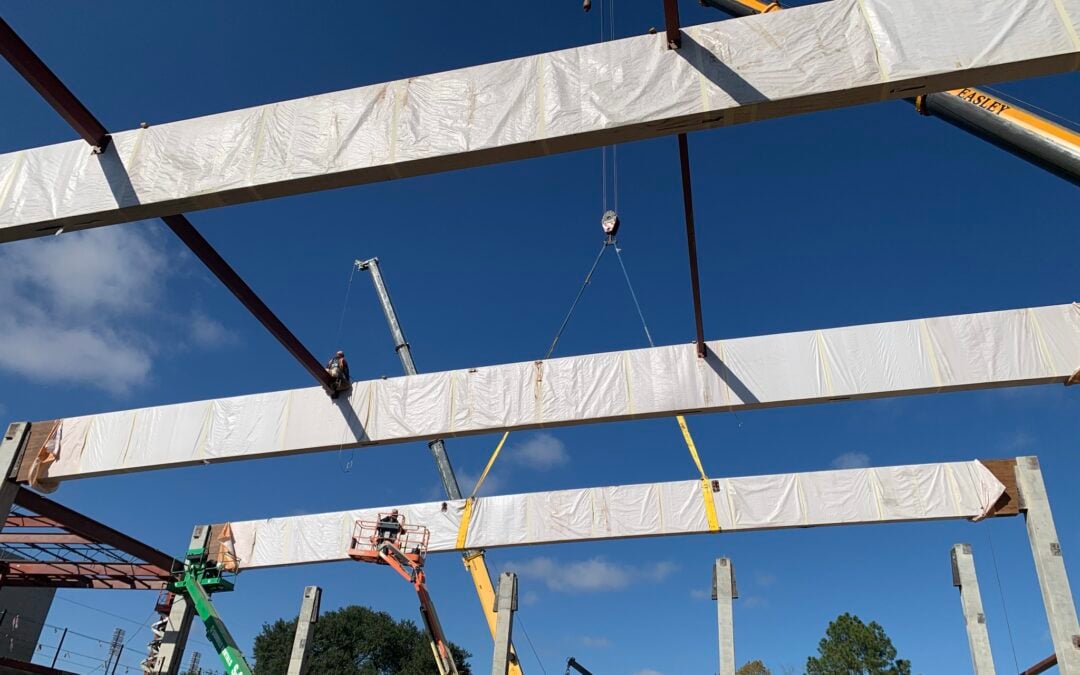
Timber frame construction is a traditional building method that uses large wooden beams connected with precise joinery techniques. Builders use joints like mortise and tenon to lock the wood pieces together without relying on metal fasteners. This method requires skilled craftsmanship and careful planning. The result is a strong, durable structure that highlights the beauty of natural wood.
Key Features
- Traditional joinery instead of nails or steel connectors
- Heavy timber that creates a solid structural frame
- Exposed beams that enhance interior design
- Long-lasting and environmentally friendly construction
Why Homeowners Choose It
What Is Post and Beam Construction?
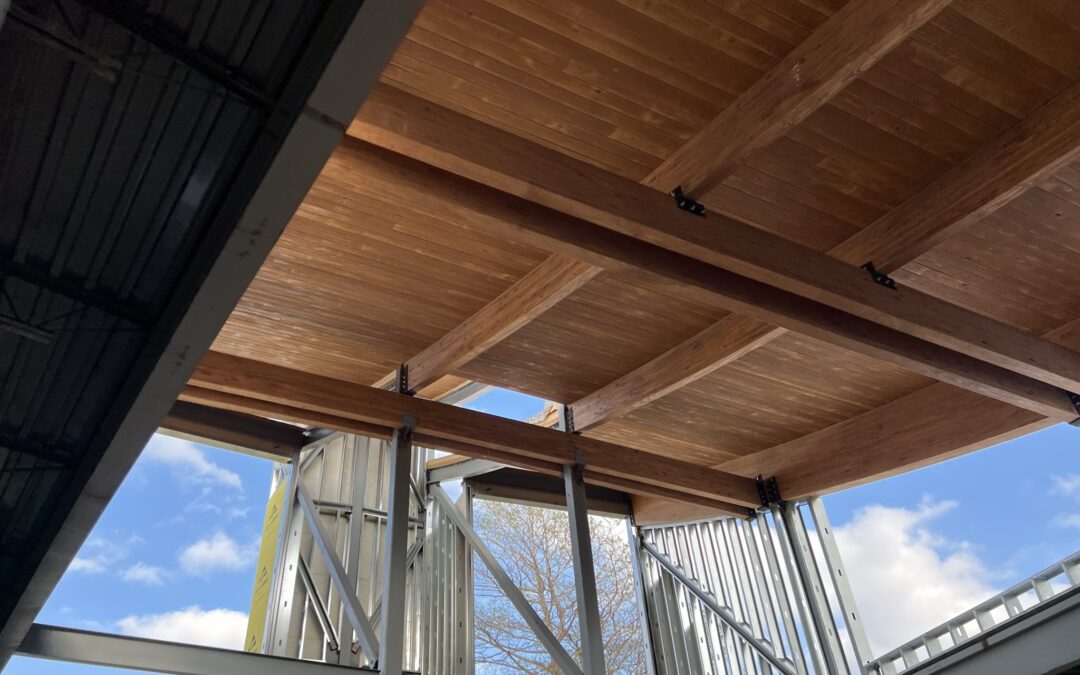
Post and beam construction is a modern building method that also uses large wooden members. Instead of traditional joinery, it relies on metal connectors such as steel plates and bolts to hold the structure together. This approach simplifies the building process and reduces the need for specialized woodworking skills. It still provides strength and flexibility while allowing faster construction timelines.
Key Features
- Metal fasteners provide structural connections
- Faster and more efficient assembly
- Flexible layouts for different home designs
- Supports large open interior spaces
Why Homeowners Choose It
Homeowners often choose post and beam construction for its efficiency and practicality. The use of metal connectors simplifies the building process, allowing projects to move faster without sacrificing structural strength. This can help reduce labor costs and shorten timelines, making it an appealing option for those who want to move into their home sooner.
Another major advantage is the design flexibility it offers. Post and beam systems support wide spans and open floor plans, giving homeowners more freedom to customize layouts based on their lifestyle. Whether it is creating large living areas, adding expansive windows, or designing multi-functional spaces, this method makes modern, open-concept living easier to achieve.
Cost-effectiveness is also a key reason homeowners lean toward this approach. Compared to traditional timber framing, post and beam construction typically requires less specialized labor, which can lower upfront costs. At the same time, it still delivers durability, strength, and a clean, contemporary aesthetic that fits a wide range of home styles.
Key Components: Posts, Beams, and Frames
Both construction methods rely on the same core structural elements. Understanding these components helps you see how each system works. These elements form the backbone of the structure, supporting weight and maintaining stability throughout the building. Learning how they interact can also make it easier to compare construction methods and choose the right option for your needs.
Posts
Posts are vertical supports that carry the weight of the building. They transfer loads from the roof and upper levels down to the foundation. Properly placed posts are essential for maintaining structural balance and preventing uneven stress on the frame. Their size and spacing can also impact the overall layout and openness of the interior space.
Beams
Beams run horizontally and connect the posts. They distribute weight evenly across the structure and help maintain stability. These components play a key role in supporting floors and roofs while allowing for wider spans and open spaces. The strength and placement of beams directly influence how much load the structure can handle over time.
Frames
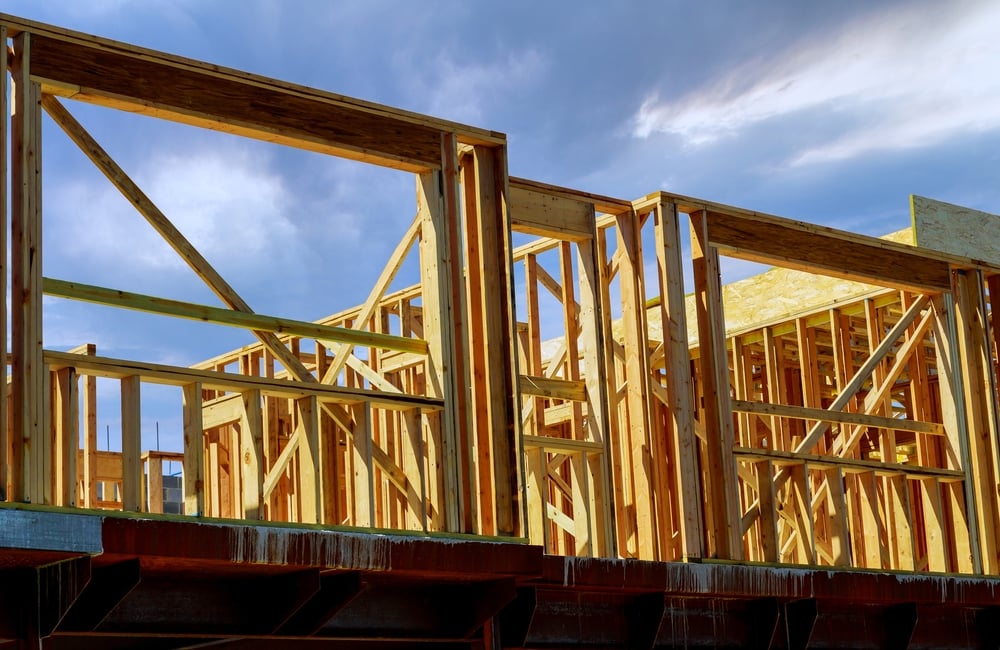
The frame is the full structural system formed by posts and beams working together. It defines the layout of the home and supports walls, floors, and the roof. A well-designed frame ensures the structure remains strong, balanced, and aligned over time. It also allows for greater design flexibility, making it easier to create open spaces and customized layouts.
Structural Differences
The biggest difference between these methods is how the wood pieces are connected. This impacts both the building process and long-term performance. The type of connection influences how loads are distributed and how the structure responds to stress over time. It also affects construction speed, required skill level, and overall durability of the building.
Timber Frame
Timber frame construction uses interlocking joints to create a tight and stable structure. These connections distribute weight naturally and reduce the need for additional hardware. The method requires skilled labor and careful execution. It results in a strong frame that can support well-insulated walls and perform well in different climates.
Post and Beam
Post and beam construction uses metal connectors to secure joints. This makes the process faster and more straightforward for builders. The system still provides strong support but allows more flexibility during construction. It is often chosen for projects where efficiency and cost control are priorities.
Aesthetic Differences
The visual difference between these methods can strongly influence the feel of your home. Each offers a distinct style that suits different preferences. These design elements can shape everything from lighting and texture to the overall atmosphere of the space. Choosing the right aesthetic helps ensure your home reflects your personal taste and lifestyle.
Timber Frame Style
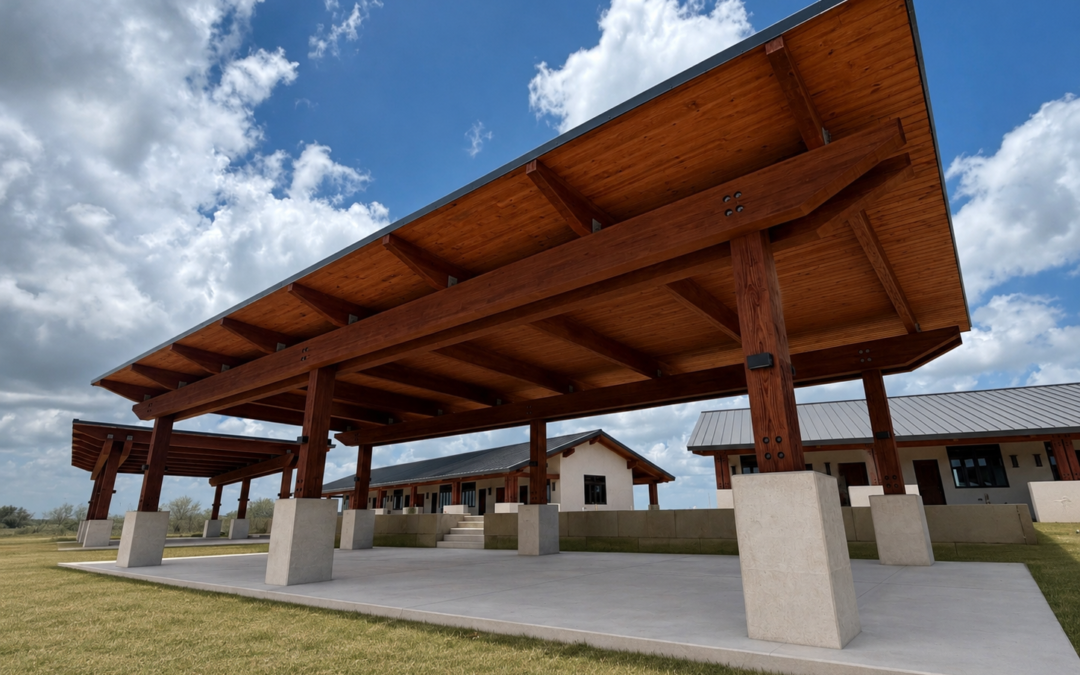
Timber frame homes highlight exposed wooden joinery and natural textures. The design feels warm, rustic, and full of character. This style works well for homeowners who want a classic or cabin-inspired look. It creates a cozy environment that emphasizes craftsmanship.
Post and Beam Style
Post and beam homes feature cleaner lines and a more modern appearance. The use of metal connectors allows for a streamlined design. This approach suits contemporary homes and open layouts. It creates a bright and airy atmosphere with a focus on simplicity.
Pros and Cons at a Glance
Which One Is Right for You?
Choosing between timber frame and post and beam depends on your priorities. If you value craftsmanship, tradition, and a warm aesthetic, a timber frame is a strong option. If you prefer modern design, faster construction, and flexibility, post and beam may be the better fit. Both methods can deliver durable and beautiful homes when built correctly.
Quick Comparison
The table below provides a clear breakdown of how timber frame and post and beam construction compare across key factors. It can help you quickly identify which method aligns best with your needs and expectations.
| Factor | Timber Frame | Post and Beam |
| Construction Method | Traditional wood joinery | Metal connectors and fasteners |
| Build Time | Longer due to craftsmanship | Faster and more efficient |
| Cost | Higher upfront investment | More budget-friendly |
| Aesthetic | Rustic, warm, and traditional | Clean, modern, and minimal |
| Craftsmanship | High level of skill required | Less specialized labor is needed |
| Design Flexibility | Moderate flexibility | Highly flexible layouts |
| Structural Strength | Excellent with interlocking joints | Strong with added metal reinforcement |
Reviewing these differences can help you align your choice with your timeline, budget, and design goals. Taking the time to compare both options ensures you choose a method that supports long-term comfort and performance. If you’re still weighing your options, our detailed overview of timber construction explains modern timber building methods and can help guide your decision.
Efficient Timber Frame & Post and Beam Homes
Timber frame construction combines natural strength, lasting durability, and energy efficiency in one building system. When insulation systems, structural framing, and moisture control are properly integrated, homes remain comfortable, efficient, and protected for years.
As experienced timber frame builders, Binkley Construction supports projects from planning through completion. The team works with a range of insulation systems, framing methods, and building materials to ensure every structure performs as intended. By focusing on quality construction and attention to detail, Binkley Construction delivers homes that are efficient, durable, and built to last.
Planning a timber frame home? Contact us to ensure your project achieves long-term performance, energy efficiency, and lasting structural integrity.