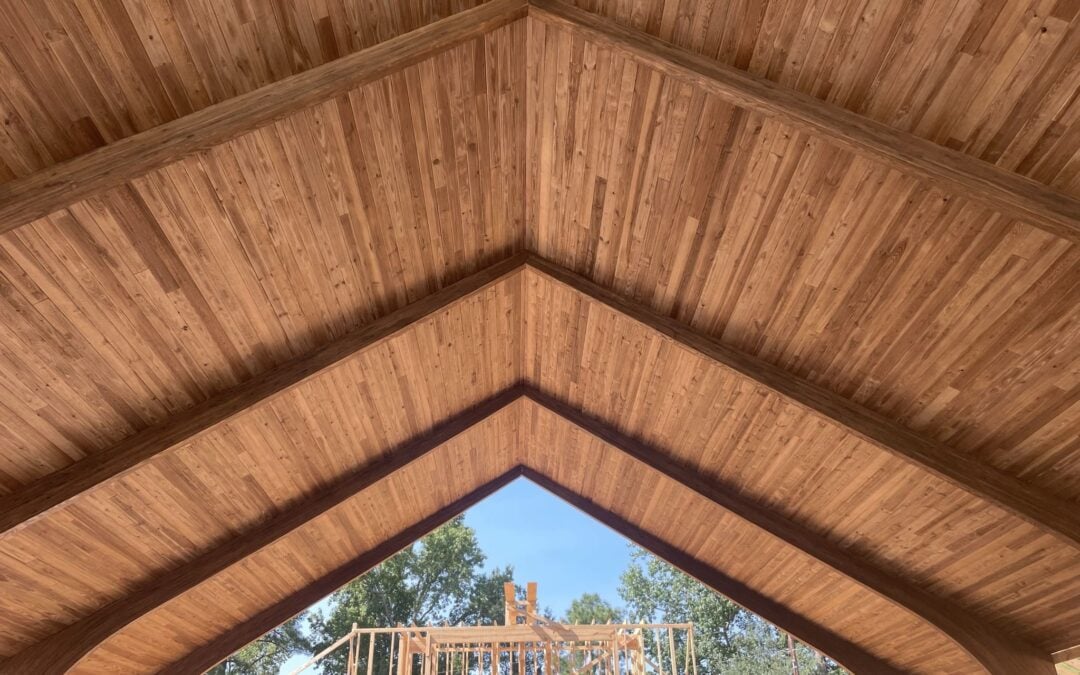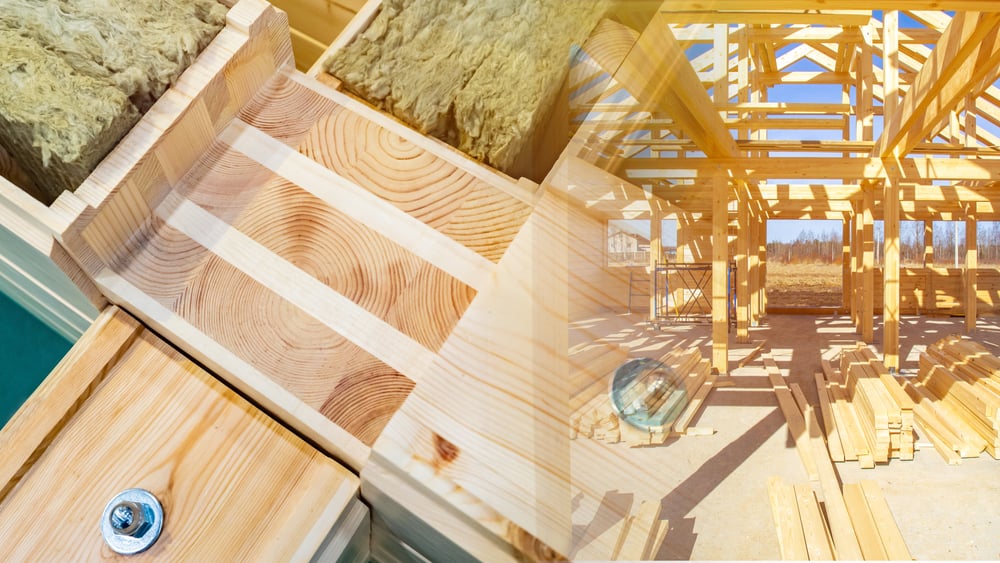
Timber frame homes are known for their strength, beauty, and long lifespan. However, without proper insulation, they can lose energy and become uncomfortable throughout the year. Choosing the right insulation helps maintain indoor comfort while protecting the structure.
Good insulation keeps your home warm in winter and cool in summer. It reduces energy costs by limiting heat transfer, which lowers the workload on heating and cooling systems. Proper insulation also creates a tighter building envelope, minimizing drafts and temperature fluctuations.
Beyond comfort and efficiency, insulation plays a critical role in protecting the wooden frame from moisture, condensation, and potential rot. By controlling air and vapor movement within the walls, it preserves the structural integrity of the home. Well-installed insulation ensures that a timber frame house remains durable, energy-efficient, and comfortable for decades.
Key Takeaways
- Proper insulation improves comfort, energy efficiency, and protects timber frame structures from damage
- Timber frame homes rely on insulation to create an airtight and stable indoor environment
- SIPs and spray foam offer high performance, while fiberglass and cellulose provide budget-friendly options
- Good insulation helps control moisture, preventing mold, rot, and structural issues
- Correct installation is critical to ensure long-term performance and durability
Why Insulation Matters in Timber Frame Construction
Timber frame construction relies on a strong wooden structure with insulated wall systems. Unlike traditional framing, the insulation plays a bigger role in energy performance. Without proper insulation, air can easily move in and out of the home.
This leads to temperature changes and higher energy bills. A well-insulated home creates a tight seal that keeps indoor conditions stable. It also reduces the workload on heating and cooling systems.
Best Insulation Options for Timber Frame Homes
There are several insulation options available for timber frame construction. Each option offers different benefits depending on your budget and performance goals. Understanding these choices helps you make a better decision for your home.
Structural Insulated Panels (SIPs)
SIPs are a popular choice for timber frame homes because they combine structure and insulation. These panels provide strong thermal performance and reduce air leakage. They also help speed up the construction process. Many homeowners choose SIPs for their energy efficiency and durability. They create a tight building envelope that improves comfort year-round.
Spray Foam Insulation
Spray foam insulation expands to fill gaps and cracks in the structure. This creates an airtight seal that prevents air leaks and improves efficiency. It is especially useful in areas that are hard to reach. In addition to sealing air gaps, spray foam helps control moisture. This makes it a strong option for protecting timber frames from damage.
Fiberglass Batt Insulation
Fiberglass batt insulation is one of the most common and affordable options. It is easy to install and works well in standard wall cavities. Many builders use it as a cost-effective solution. However, fiberglass does not seal air gaps as well as other materials. For better performance, it should be paired with proper air barriers.
Cellulose Insulation
Cellulose insulation is made from recycled materials, making it an eco-friendly option. It is blown into wall cavities to fill gaps and reduce air leakage. This helps improve overall energy performance. It also provides solid thermal resistance and works well in many climates. Homeowners often choose cellulose for its balance of cost and sustainability.
How Insulation Improves Energy Efficiency
Insulation reduces the transfer of heat between the inside and outside of your home. This helps maintain a steady indoor temperature throughout the year. As a result, your heating and cooling systems do not have to work as hard. Lower energy use leads to reduced utility bills over time. It also improves comfort by eliminating hot and cold spots inside the home.
Proper insulation also helps your home retain conditioned air during extreme weather, reducing the need for constant heating or cooling. This consistent thermal performance not only lowers energy consumption but also minimizes wear and tear on HVAC systems, extending their lifespan and maintaining optimal efficiency.
Moisture Control and Protection
Moisture can cause serious damage to timber frame structures if not managed properly. When water gets trapped inside walls, it can lead to mold, rot, and structural issues. Proper insulation helps prevent this, and factors like mass timber moisture management in building design play an important role in controlling long-term exposure. It works together with vapor barriers and ventilation systems to keep the structure dry. This added protection helps extend the life of the home and maintain its strength.
It works together with vapor barriers, air seals, and ventilation systems to keep the structure dry. For example, spray foam insulation creates an airtight seal that limits water vapor infiltration, while cellulose and fiberglass, paired with proper air barriers, can also effectively manage moisture when installed correctly.
In addition to protecting the wood framing, effective moisture control improves indoor air quality by reducing the likelihood of mold and mildew growth. This ensures a healthier living environment for occupants while extending the life of the home. By combining insulation with careful moisture management, timber frame homes remain durable, energy-efficient, and comfortable for decades.
Choosing the Right Insulation System
Selecting the right insulation system depends on your climate, budget, and design goals. High-performance options like Structural Insulated Panels (SIPs) and spray foam provide superior energy efficiency, excellent air sealing, and moisture control. More affordable options like fiberglass and cellulose can still perform well when installed correctly, especially when combined with proper air and vapor barriers.
It is also important to consider the specific needs of your home. For example, areas with extreme winters may benefit from thicker insulation or higher R-value materials, while homes in humid climates require systems that control moisture effectively to protect the timber frame.
Working with experienced professionals ensures proper installation, which is critical because even the best insulation will not perform well if gaps, compression, or improper sealing occur. Professionals can assess the building envelope, recommend the best materials, and guarantee that the system meets local building codes and energy-efficiency standards.
Building Efficient and Durable Timber Frame Homes
Timber frame construction combines natural strength, lasting durability, and energy efficiency in one building system. When insulation systems, structural framing, and moisture control are properly integrated, homes remain comfortable, efficient, and protected for years.
As experienced timber frame builders, Binkley Construction supports projects from planning through completion. The team works with a range of insulation systems, framing methods, and building materials to ensure every structure performs as intended. By focusing on quality construction and attention to detail, Binkley Construction delivers homes that are efficient, durable, and built to last.
Planning a timber frame home? Contact us to ensure your project achieves long-term performance, energy efficiency, and lasting structural integrity.