Wood remains one of the most trusted materials in construction. It’s strong, versatile, and works well for everything from framing to finishes. In commercial construction, the type of wood you use can make a big difference. It impacts the building’s appearance, cost, and long-term durability.
Different commercial projects call for different wood solutions. Some require lightweight framing, while others need heavy timber that can support wide, open spaces. Wood varies in strength, look, and resistance to moisture, fire, and wear. Engineered wood products are also gaining ground for their performance and sustainability.
From structural framing to architectural finishes, types of wood construction ensure efficient projects.
Structural Wood Construction Methods
Different projects call for different structural approaches. The right construction method depends on the building’s size, style, and purpose. Here are three widely used techniques and how they stack up.
Light Frame Construction (Stick Framing)
This is the most common method for residential builds. It’s affordable and easy to work with, making it ideal for single-family homes or low-rise buildings. Most stick-framed structures use softwoods like pine or fir for quick installation and strength.
Post and Beam Construction
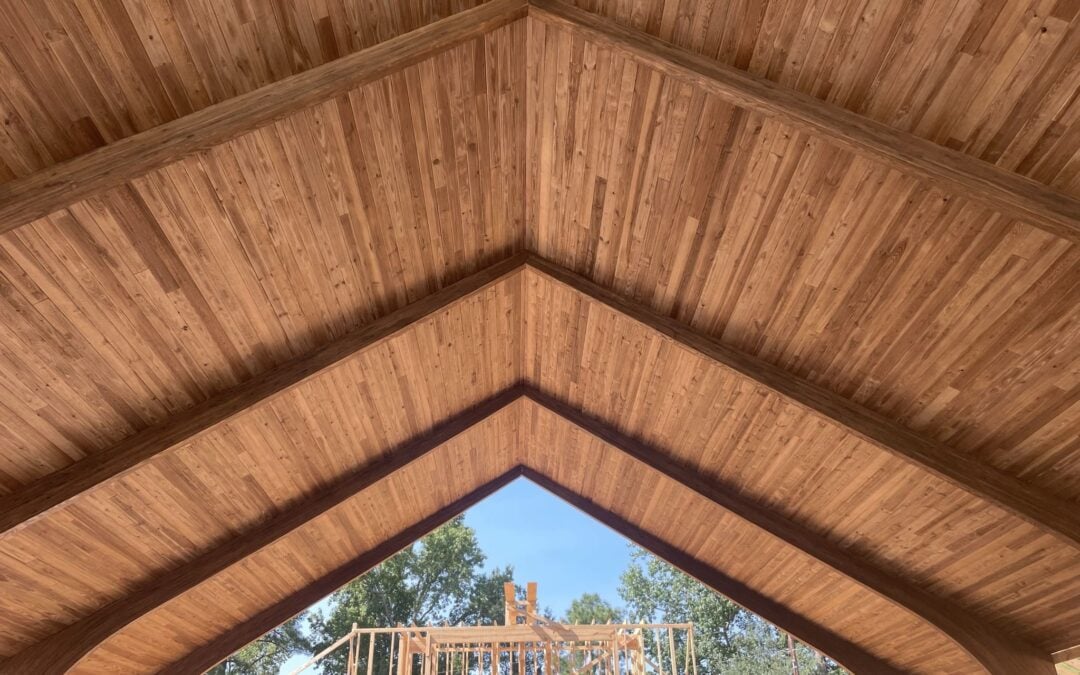
Post and beam construction exposes the wood structure for a natural, open feel. It uses fewer, larger structural elements, which helps support wider spans. Woods like Douglas fir and other types of hardwoods are often used for their strength and visual appeal.
Mass Timber Construction (CLT, Glulam, etc.)
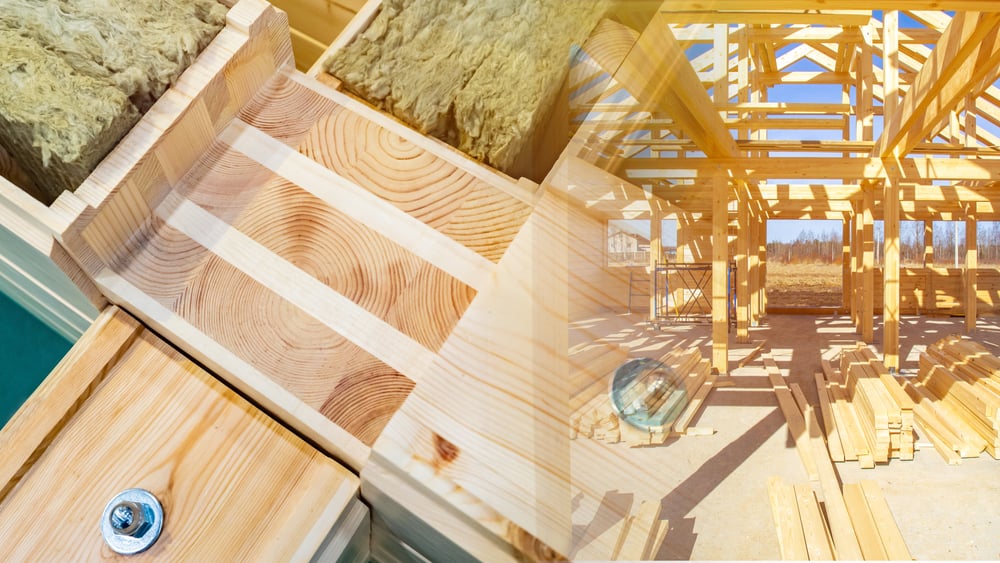
Mass timber is popular in sustainable, modern construction. It includes engineered woods like cross-laminated timber (CLT) and glued laminated timber (Glulam). These materials are fire-resistant and strong enough for mid-rise and even high-rise buildings. This method is changing how we view large-scale wood and construction.
Types of Lumber Used in Construction
Lumber falls into two main categories: softwoods and hardwoods. Each has different strengths and common uses in wood and construction. Choosing the right type depends on the job, location, and finish goals.
Softwoods
Softwoods are the go-to for framing and general use. They’re light in color, easy to cut, and widely available.
- Pine – Affordable and easy to work with
- Douglas Fir – Strong with a straight grain
- Red Cedar – Naturally resistant to rot, great for outdoor use
Hardwoods
Hardwoods are used when looks and strength matter. These types of wood in carpentry are perfect for trim, cabinetry, and visible finishes.
- Maple Wood – Durable with a light color, used in furniture and flooring
- Cherry Wood – Smooth with a rich, light brown tone, popular in high-end furniture
- Oak – Hard and long-lasting, great for woodworking projects
Engineered Wood Products: Built for Performance
Engineered woods are man-made products designed to be stronger and more stable than solid wood. Options like plywood, laminated veneer lumber (LVL), CLT, and Glulam work well in commercial settings. These wood products hold up against moisture, fire, and long-term wear. They also reduce waste and make construction faster and more consistent. When choosing building material that meets high-performance needs, engineered wood is often the top pick.
Specialty Woods and Their Best Uses
Some wood types offer standout features that make them ideal for specific jobs:
| Wood Type | Color/Appearance | Best For | Key Benefits |
| Cedar Wood | Reddish to pinkish | Siding, outdoor furniture | Resistant to rot and insects |
| Maple Wood | Pale cream to light brown | Flooring, musical instruments, baseball bats | Hard, smooth, easy to finish |
| Cherry Wood | Light brown to deep red | Cabinets, high end furniture | Beautiful grain, darkens with age |
These types of wood often show up in both residential and commercial projects where visual appeal and performance are key.
Choosing the Right Wood for Your Project
Each project has different priorities; maybe it’s durability, maybe it’s style, or maybe it’s all about budget. Choosing the right wood materials means looking at how the wood will perform, how it looks, and how long it will last. A solid plan ensures the structure meets both function and design goals.
Here’s what to consider:
- How much wear and tear the wood will face
- Budget for materials and labor
- Design goals (exposed beams, hidden framing, smooth finishes)
- Local climate and moisture exposure
- Fire resistance and building code requirements
- Sustainability or environmental goals
Build Smarter with the Right Wood Choices
Knowing the different types of wood construction makes it easier to plan a strong, long-lasting project. Whether you’re using stick framing or engineered mass timber, there’s a wood option that fits your design, budget, and performance goals.
As mass timber experts serving the Southern U.S., we help clients pick the right wood and construction method for their needs. From glulam beams for wide openings to cherry wood for high-end finishes, we bring skill and experience to every project.
Need help deciding which wood type is right for your build? Request information from our team to discuss your project goals.