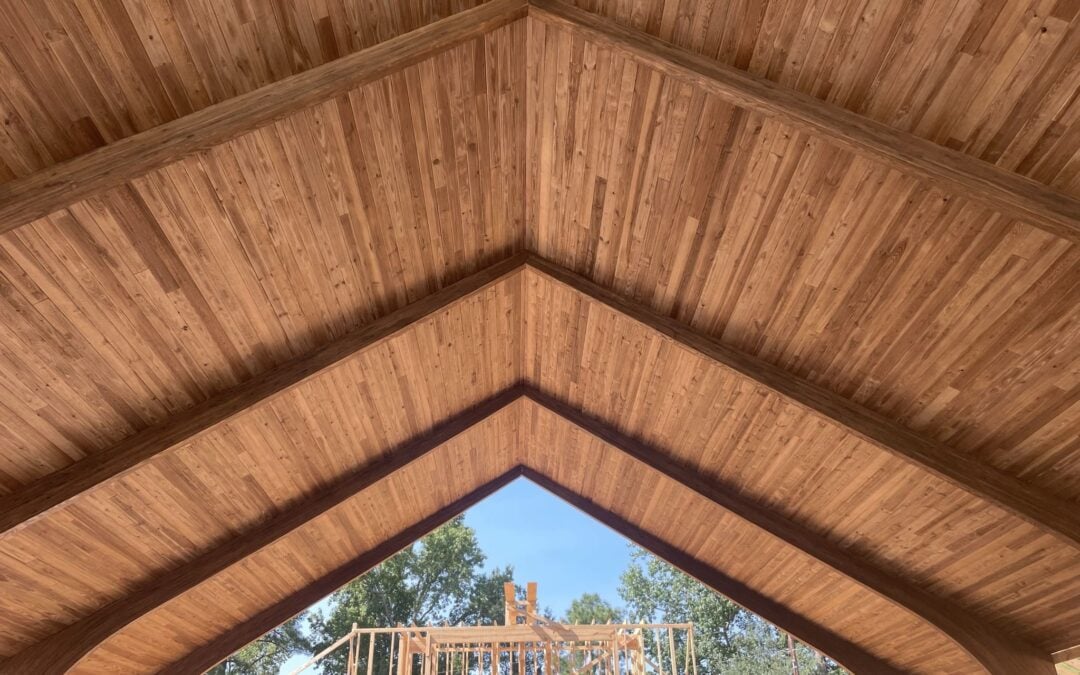
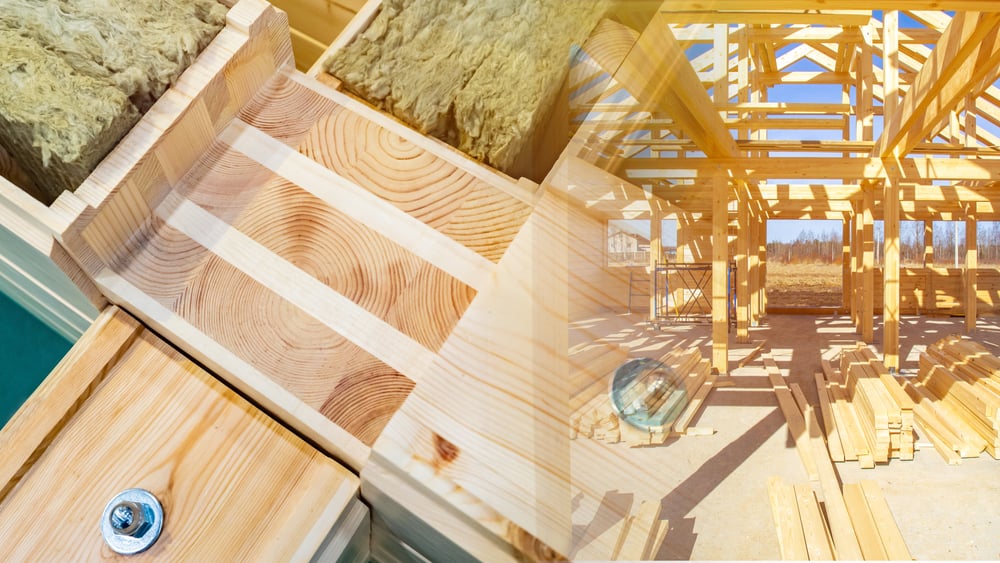
Wood remains one of the most trusted building materials today. Its natural strength, beauty, and versatility make it a top choice for framing, finishes, and structural elements. From homes to commercial buildings, the wide range of wood products offers builders a material that is visually appealing. Knowing the key properties of wood helps in selecting the right type for each project and ensures lasting quality.
Physical Properties of Wood That Matter in Construction
Wood’s physical characteristics play a big role in how it performs on the job. Texture, grain pattern, and density all influence how wood looks and handles stress. One important measure is specific gravity, which compares the density of wood to water. A higher specific gravity usually means stronger wood. Dry weight refers to the weight of wood after it has been dried to remove moisture. Another key factor is equilibrium moisture content. It describes how much moisture wood holds under normal conditions. This moisture level affects wood’s size and strength.
Wood varies widely between tree species and even between individual boards from the same tree. For example, a wood with a straight grain is usually easier to work with and more stable. Colors can range too, from pale shades to reddish brown, like the tone seen in some hardwoods. These physical differences matter for everything from strength to appearance.
Mechanical Strength and Flexibility
The mechanical properties of wood make it a strong but flexible material for construction. Wood’s strength relative to its weight helps it support heavy loads without adding unnecessary mass to a building. This balance is crucial for safe and efficient structures. Some top choices for strength include:
- Douglas fir: Known for its high strength and stiffness.
- Durable hardwoods: Such as oak and maple, which resist wear and damage.
Wood also has good elasticity, meaning it can bend slightly under pressure without breaking. This shock resistance is important during events like storms or earthquakes.
Thermal and Acoustic Insulation Qualities
Wood naturally insulates better than steel or concrete. Its cellular structure, made up of tiny cell walls, traps air, which helps regulate temperature inside buildings. This property makes wood a smart choice for energy-efficient homes.
Wood also absorbs sound well. That’s why it’s commonly used in places needing quiet interiors, like concert halls or studios. Its role in musical instruments highlights how well wood controls vibrations and noise.
| Property | Wood | Steel/Concrete |
| Thermal Insulation | High | Low |
| Acoustic Absorption | Excellent | Poor |
| Energy Efficiency | Good | Moderate |
| Workability | Easy to cut and shape | Requires special tools |
| Aesthetic Appeal | Warm, natural look | Industrial appearance |
Workability and Aesthetic Appeal
Wood’s natural qualities make it easy to work with for custom building projects. Carpenters value their ability to be cut, shaped, and finished smoothly. Beyond function, wood’s look adds warmth and character to any space.
Grain and Texture
Different wood species have unique grain patterns. A straight grain creates a clean, classic look, while more complex grains add visual interest.
Color and Tone
Wood colors vary widely, from light to dark. The reddish brown hues of western red cedar add a rich, inviting feel that stands out in both interior and exterior designs.
Finishing Options
Wood accepts stains and finishes well. It allows builders to highlight natural beauty or create a custom color that fits the project’s style.
Moisture Movement and Dimensional Stability
Moisture affects wood more than many other building materials. Wood expands and contracts as it absorbs or loses water, so understanding moisture behavior is key. Air dry wood has been dried naturally to a point where its moisture content is stable but not zero. Maintaining the equilibrium moisture content helps prevent warping or cracking.
Choosing the right wood species is important for different climates. Some woods resist moisture better and hold up in humid conditions, while others perform best in dry environments. Proper sealing and finishing can also reduce dimensional changes over time.
Sustainability and Versatility in Modern Projects
Wood is a renewable resource that fits well with today’s push for sustainable building. It stores carbon, can be sourced responsibly, and is adaptable to many construction needs. Benefits include:
- Renewable and recyclable
- Lower environmental impact than many alternatives
- Versatile across framing, finishing, and decorative uses
- Works well with modern building techniques like mass timber
Using wood smartly helps builders meet both design goals and environmental standards.
Wood’s Enduring Value in Construction
The key qualities of wood, strength, beauty, flexibility, and insulation, make it a reliable choice for builders. Each wood species brings its own benefits, and understanding these helps in choosing the best fit for every part of a project.
As mass timber experts in the Southern U.S., we select wood carefully to match each project’s performance and style needs. This approach ensures quality, durability, and natural appeal in every build.
Looking to build with natural strength and style? Contact us to explore wood-forward designs that combine beauty, durability, and smart engineering.