Timber has been part of the construction world for centuries. It helped shape some of the world’s oldest buildings, and it’s still being used today. Even as materials like steel and concrete dominate modern builds, timber continues to play a major role. Why? Because it’s reliable, sustainable, and cost-effective. In this blog, we’re taking a closer look at the modern application of timber in construction. From framing to finish work, this classic material has adapted to meet today’s needs without losing the charm it’s known for.
Why Timber Stays Competitive in Modern Construction
Timber offers a strong mix of beauty and performance. Builders rely on it because it’s easy to work with and holds up under pressure. Unlike heavier construction materials, it doesn’t require complicated tools or expensive labor.
- Lighter than steel or concrete, yet strong
- Excellent strength-to-weight ratio
- Provides natural thermal insulation
- Easy to cut, shape, and modify onsite
- Matches both classic and modern styles
- More affordable across labor, materials, and installation
Environmental Benefits of Using Timber
Using timber isn’t just smart, it’s sustainable. When sourced the right way, it supports both eco-friendly design and long-lasting construction.
| Benefit | Why It Matters |
| Renewable Resource | Can be replanted and harvested responsibly |
| Stores Carbon Dioxide | Keeps carbon locked in throughout its lifespan |
| Lowers Carbon Footprint | Requires less energy to produce than steel or concrete |
| End-of-Life Usability | Can be reused, recycled, or turned into biofuel |
| Eco-Friendly Choice | Helps builders meet green building standards |
Key Applications of Timber in Building Construction
Today’s builders use timber in many ways; some old, some new. Whether it’s the main structure or a small design detail, timber adds strength, character, and flexibility.
1. Timber Frames and Load-Bearing Structures
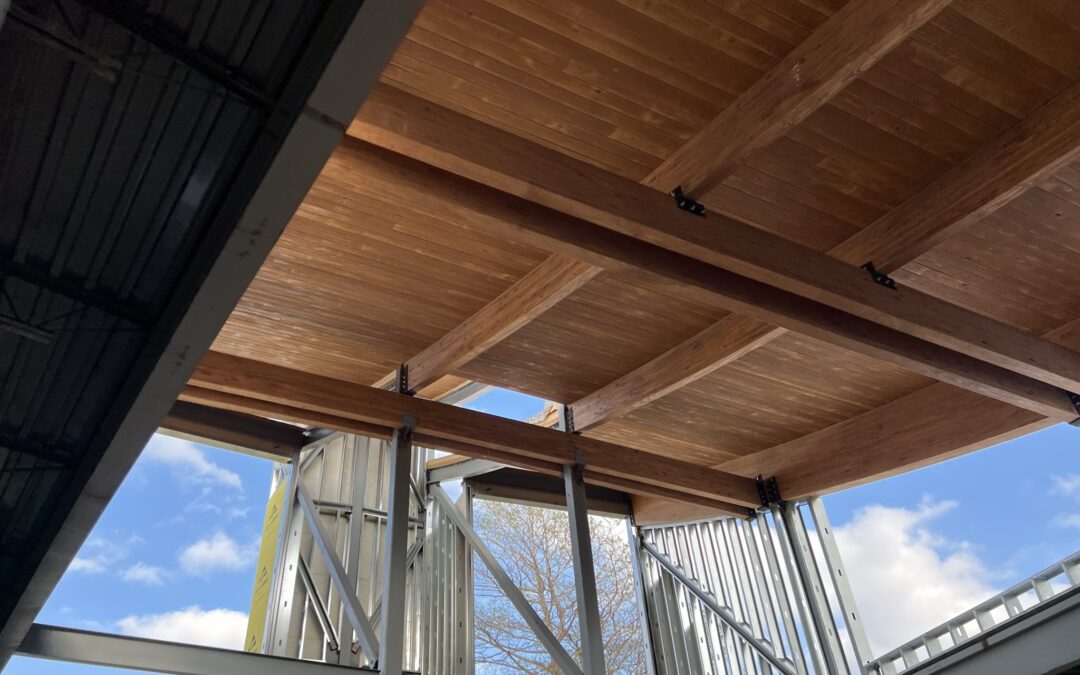
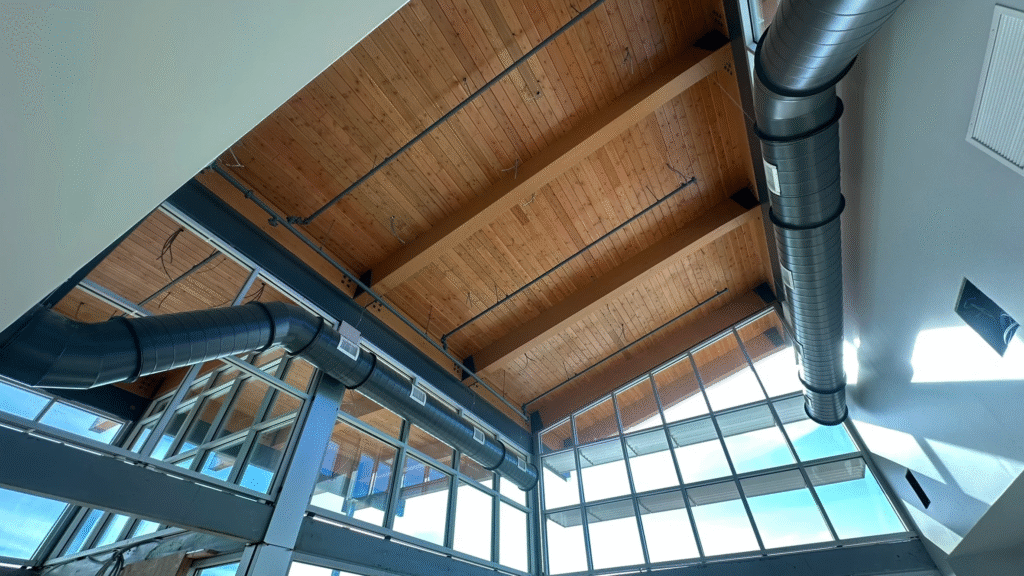
Timber frames form the bones of many buildings. They’re used in floors, roofs, and walls, offering strong and reliable support. Because they’re lightweight, they’re quicker to install and adjust during construction. Timber frames also adapt well to unique site layouts and project demands, giving builders more control. Plus, they bring warmth and a natural look to any design.
2. Roof Structures and Trusses
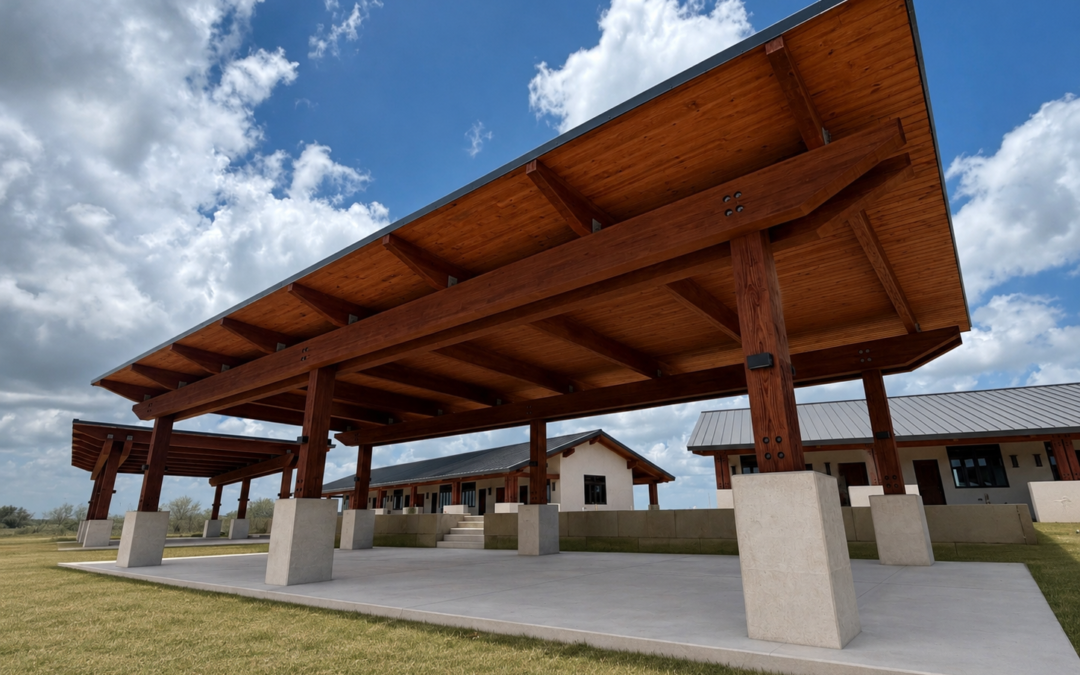
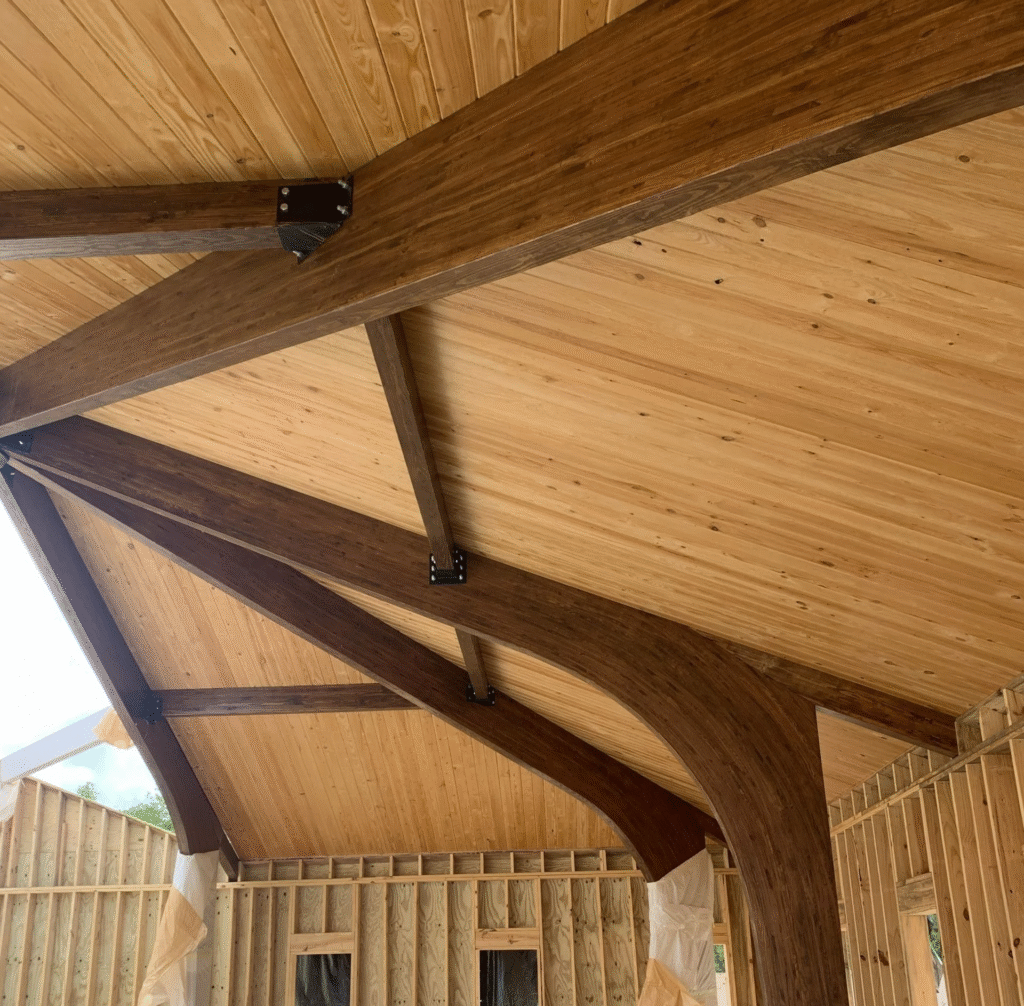
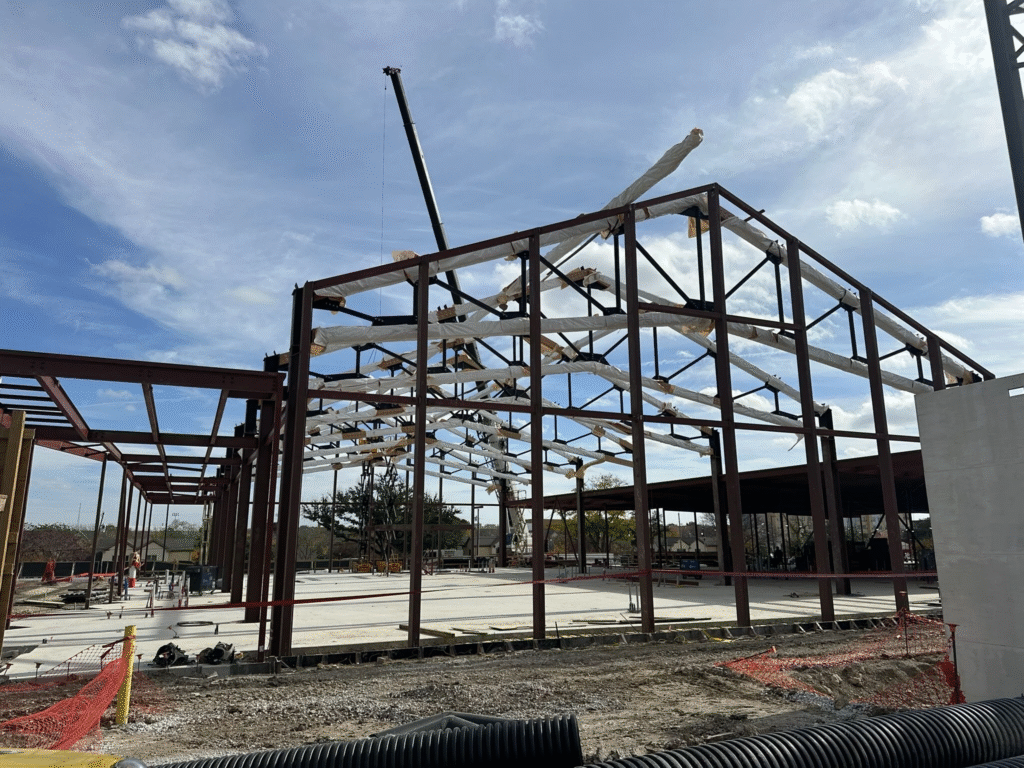
Timber trusses are a favorite for roof systems. They can handle a variety of shapes and slopes without adding extra weight. That makes them easier to install and more efficient overall. In many buildings, exposed timber trusses add style to open spaces. Their strength, paired with natural beauty, makes them useful both structurally and visually.
3. Engineered Wood Products in Large-Scale Builds
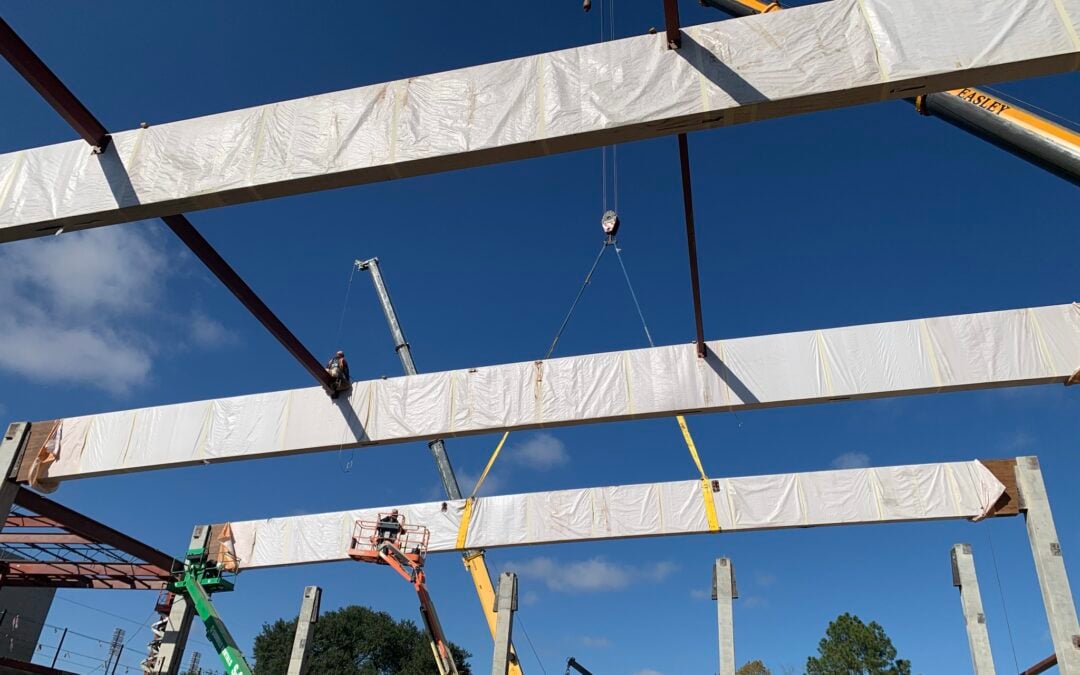
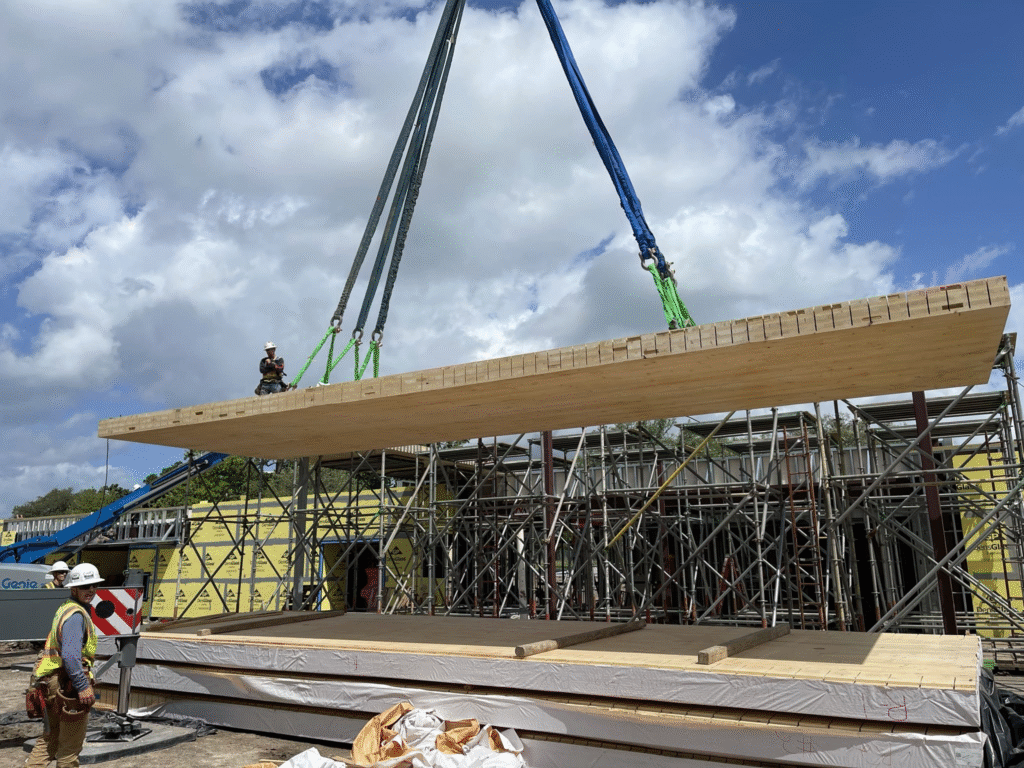
Engineered wood like CLT (cross laminated timber), LVL, and glue-laminated beams are changing the game. These products offer more consistency and strength than traditional lumber. They’re ideal for large-scale and multi-story construction. Builders use them in schools, office buildings, and public spaces where performance matters.
4. Interior Features: Doors, Windows, and Finishes
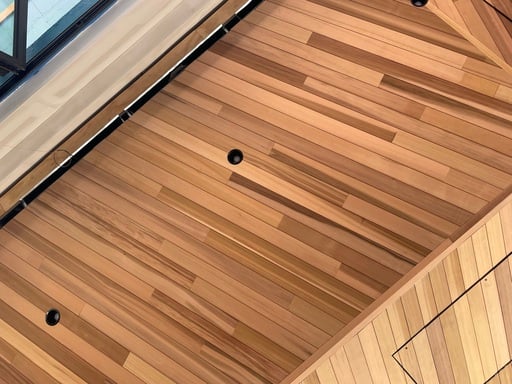
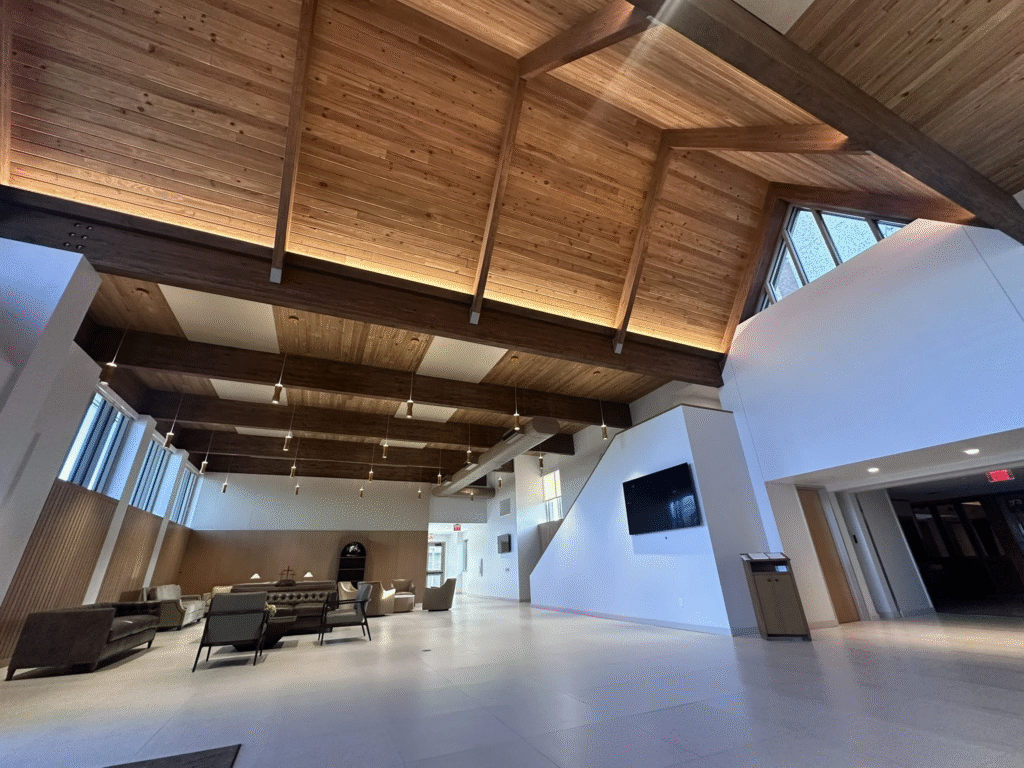
Timber works beautifully inside a building too. It’s often used for doors, window frames, and trim because of its natural texture and warmth. It also helps with thermal and sound insulation. Whether the style is rustic or sleek and modern, timber complements a wide range of interiors and provides a polished, high-end finish.
5. Temporary Structures in Construction Works
Timber is perfect for short-term structures like scaffolding, formwork, and shoring. It’s easy to shape, sturdy, and reusable. For small builds or one-off projects, timber offers flexibility without breaking the budget. It’s especially common on job sites where changes happen fast and materials need to keep up.
Why Timber Still Makes Sense
Timber continues to be one of the most dependable construction materials available. It delivers strength and flexibility while meeting today’s building standards for sustainability. From the foundation to the final details, timber works at every stage of the build.
- Durable and long-lasting
- Easy to work with and adapt
- Supports energy-efficient building practices
- Reduces overall environmental impact
- Fits projects of all sizes and styles
- Works for both structural and decorative features
The Application of Timber as a Smart Building Choice
The application of timber in construction proves that old materials still have a place in modern design. It’s strong, renewable, and adds character to any build. Whether it’s used for structure or style, timber offers long-term value that other materials can’t always match. As mass timber experts serving the Southern U.S., we work with commercial builders, designers, and developers to bring their timber projects to life. Our team has experience in structural framing and modern timber design solutions that meet today’s standards. Ready to explore timber for your next build? Request information from our team today. We’re here to help you design smarter, build stronger, and stay ahead of the curve.