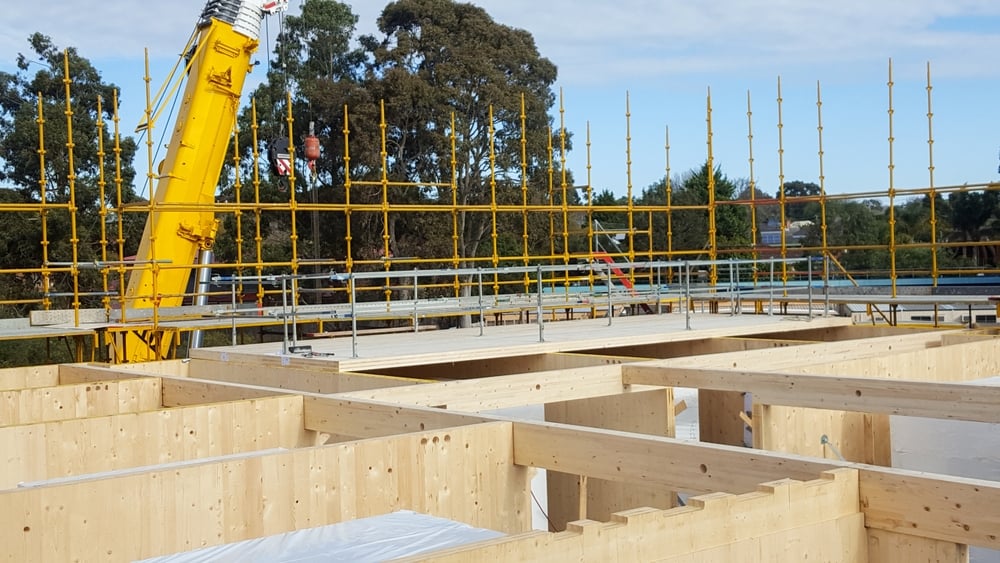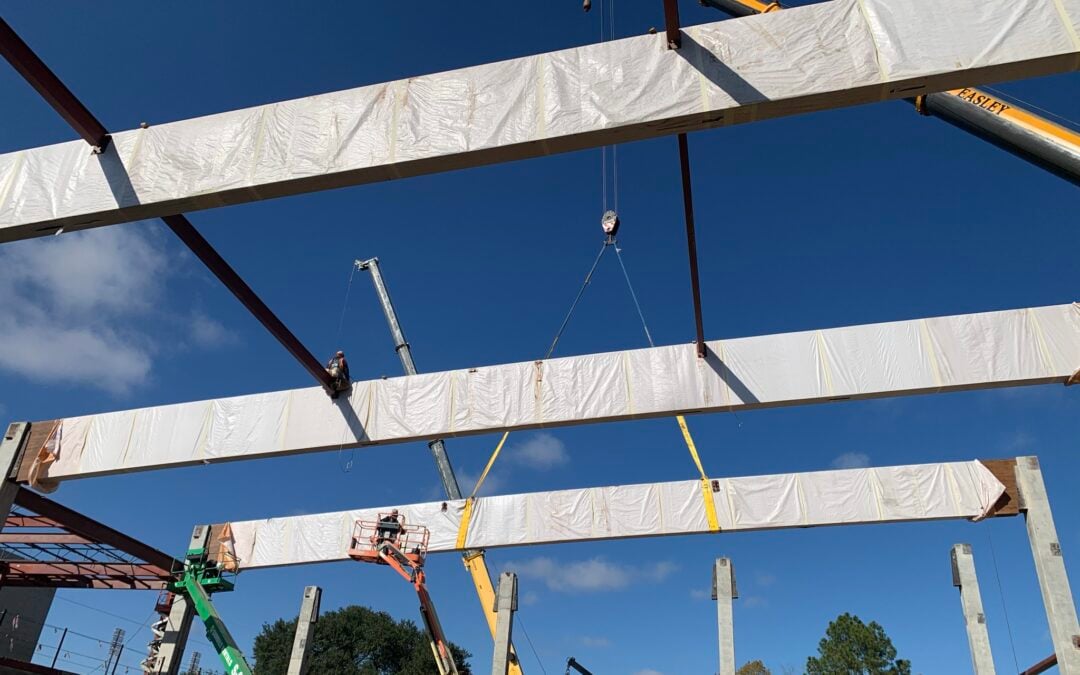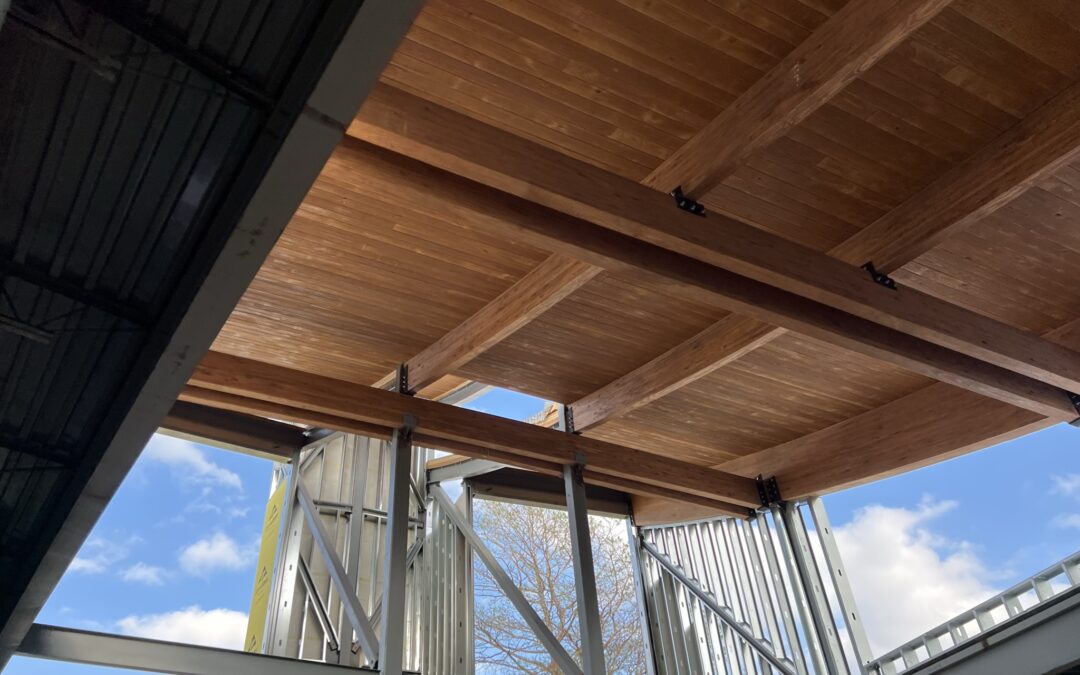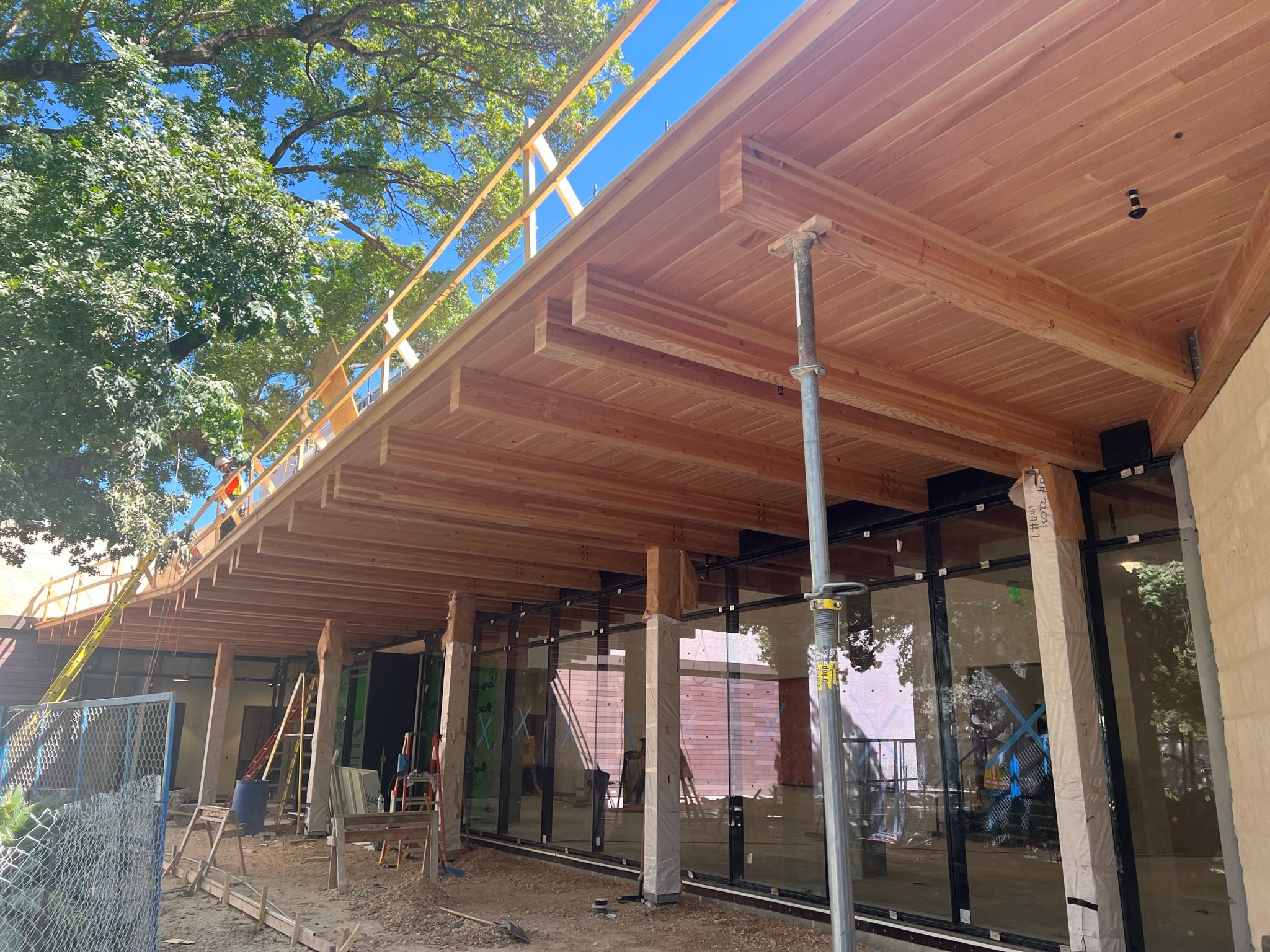
Selecting the right mass timber subcontractor is an important step in delivering a successful commercial timber project. Unlike conventional structural systems, mass timber construction relies on prefabricated components, precise installation sequences, coordinated lifting operations, and careful handling of engineered wood products. General contractors must evaluate more than price when choosing a team to install cross-laminated timber (CLT) panels, glulam beams, and structural timber decking.
According to WoodWorks’ U.S. Mass Timber Construction resources, effective mass timber project delivery requires informed planning, procurement, coordination, and construction management. Choosing a qualified mass timber subcontractor early can help general contractors identify potential installation challenges, clarify responsibilities, and establish a realistic project schedule before materials arrive on site.
Key Takeaways
- Evaluate a subcontractor’s mass timber installation experience and relevant project history
- Confirm that safety planning, lifting procedures, and site-specific requirements are addressed
- Review preconstruction coordination, installation sequencing, and schedule commitments
- Establish clear responsibilities for materials, connections, equipment, and quality control
- Compare proposals based on scope, qualifications, coordination, and overall project value rather than price alone
Why Mass Timber Subcontractor Selection Matters
Mass timber buildings use engineered wood products to create structural systems that can include columns, beams, floor panels, and roof assemblies. These components are often manufactured to project-specific dimensions, making coordination between the design team, fabricator, general contractor, and installation subcontractor particularly important.
A qualified mass timber installation contractor helps translate the construction documents and installation plans into an organized field operation. This includes coordinating deliveries, confirming access and lifting requirements, handling components appropriately, and installing members according to approved drawings and specifications.
The right subcontractor can also contribute valuable installation knowledge during preconstruction. Early involvement helps the project team identify potential conflicts, evaluate equipment needs, and coordinate the sequence of structural work with other trades. For general contractors, the goal is to select a partner whose experience, planning capabilities, and installation approach align with the project’s technical requirements and schedule.
1. Evaluate Mass Timber Installation Experience
Experience should be one of the first considerations when comparing mass timber subcontractors. While contractors with backgrounds in structural steel, precast concrete, or conventional framing may bring transferable skills, mass timber installation involves material-specific handling, connection details, and assembly requirements. Ask prospective subcontractors about their experience installing the specific systems included in your project.
Review Relevant Project Experience
Look for demonstrated experience with:
- Cross-laminated timber (CLT) floor, roof, and wall panels
- Glulam beams, columns, arches, and other structural members
- Tongue-and-groove structural timber decking
- Engineered timber connections and fastening systems
- Crane-assisted installation and prefabricated component assembly
- Commercial projects with comparable complexity, access restrictions, or structural layouts
Request examples of completed projects that demonstrate relevant capabilities. Ask about the subcontractor’s scope of work, the types of timber components installed, and the installation challenges encountered.
Project experience should be evaluated in context. A contractor experienced in installing straightforward timber floor panels may not necessarily have the same capabilities required for a complex structure involving long-span glulam beams, intricate connections, or challenging crane access.
Ask About the Installation Team
Determine who will supervise the work, coordinate field operations, and manage installation quality. Discuss the team’s experience with similar projects and how responsibilities will be assigned. The objective is to confirm that the proposed team understands the construction methods and logistical demands associated with your particular timber system.
2. Verify Safety Practices and Lifting Capabilities
Mass timber installation can involve suspended loads, elevated work areas, heavy equipment, and workers operating around active lifting zones. A subcontractor’s safety planning should therefore be a central part of the selection process. General contractors should review the subcontractor’s site-specific safety approach and confirm how it will coordinate with the overall project safety plan.
Review Crane and Rigging Procedures
Ask how the subcontractor will address:
- Crane access, setup, and lifting requirements
- Load weights, lifting points, and approved rigging methods
- Qualified personnel for applicable rigging and signaling activities
- Exclusion zones and communication during lifting operations
- Fall protection and safe access at elevated work areas
- Coordination with other trades and site activities
Applicable requirements should be established by the project team based on the equipment, work activities, and governing regulations. The Occupational Safety and Health Administration’s crane and derrick safety resources guide relevant construction safety requirements.
Evaluate Safety Documentation
Request the documentation appropriate to the project, which may include a safety program, job hazard analyses, training records, insurance documentation, and relevant incident or corrective-action information. Do not rely solely on a general statement that a subcontractor prioritizes safety. Look for a clear process for identifying hazards, communicating procedures, and addressing changing site conditions.
3. Assess Preconstruction Planning and Coordination
Preconstruction coordination is particularly important for mass timber because fabrication and installation depend on accurate information and defined responsibilities. A mass timber construction subcontractor should be prepared to coordinate with the general contractor, structural engineer, architect, timber supplier, and fabricator as required by the project’s contract and delivery method.
Confirm Scope and Design Responsibilities
Before work begins, establish who is responsible for each major activity. These responsibilities may include:
- Reviewing construction documents and identifying coordination issues
- Coordinating shop drawings and fabrication information
- Confirming connection hardware and installation requirements
- Planning material deliveries and on-site staging
- Providing cranes, rigging equipment, and installation labor
- Managing temporary bracing and stabilization requirements
- Documenting installation progress and reporting field issues
Responsibilities vary by contract, so they should be explicitly defined rather than assumed. For example, the timber supplier may provide engineered components and connection hardware while the installation subcontractor supplies labor and equipment. Other projects may assign some of these responsibilities differently. Clear scope boundaries help prevent duplicated work, unplanned costs, and delays caused by uncertainty over who must resolve an issue.
Identify Potential Conflicts Early
Review the proposed installation sequence alongside the structural drawings, architectural requirements, mechanical systems, and other trades’ work.
Potential conflicts may include insufficient crane access, congested work areas, incompatible connection details, restricted delivery routes, or building systems that interfere with structural assembly. Early coordination allows the project team to investigate these issues before they disrupt field operations.
4. Review Installation Sequencing and Schedule Management
A mass timber installation schedule depends on more than the estimated number of days required to assemble the structure. Fabrication readiness, delivery timing, crane availability, site access, and the completion of supporting construction activities all influence the installation sequence. When evaluating a timber erection contractor, ask for a proposed installation plan that aligns with the general contractor’s master schedule.
Examine the Proposed Sequence
The plan should address:
- Site readiness and required access
- Delivery timing and material staging
- Crane setup and lifting operations
- Installation of columns, beams, panels, and other structural components
- Connection installation and required inspections
- Temporary stabilization and completion of designated work areas
- Coordination with follow-on trades and weather protection measures
The precise sequence will depend on the structural system and approved construction documents.
Confirm Schedule Assumptions
Ask what assumptions support the proposed duration. Consider whether the schedule accounts for delivery restrictions, crane setup, inspection requirements, weather conditions, and dependencies on other contractors.
A credible schedule should identify the conditions needed to maintain progress, as well as the process for communicating delays or changes. Be cautious about comparing proposals solely on promised installation speed. A realistic schedule supported by adequate planning is more useful than an aggressive estimate that overlooks project constraints.
5. Evaluate Material Handling and Moisture Protection
Mass timber components are manufactured for specific locations within a building, so protecting them during transportation, staging, and installation is an important part of quality management. Although engineered wood products are designed for structural use, uncontrolled moisture exposure can contribute to staining, dimensional changes, finish issues, and conditions that require further investigation.
Review the Material Protection Plan
Ask prospective subcontractors how they will coordinate:
- Delivery inspections and documentation of material condition
- Unloading and handling procedures
- Storage locations and protection from precipitation
- Measures to prevent ground contact and standing water
- Temporary covering and drainage arrangements
- Moisture monitoring where required by the project
- Reporting and response procedures for wet or damaged components
The protection plan should reflect the manufacturer’s recommendations, project specifications, and the building’s moisture-management requirements.
Establish Clear Reporting Procedures
Agree on how the subcontractor will document damaged components, unexpected water exposure, or installation conditions that require review. Any decision to dry, repair, replace, or install affected material should follow the project team’s approved procedures and applicable manufacturer and engineering guidance.
Material protection is not solely the installation subcontractor’s responsibility. The general contractor, supplier, fabricator, and other project participants may each have defined obligations. Coordination across these parties helps maintain a consistent approach.
6. Examine Quality Control and Installation Accuracy
Mass timber systems rely on the correct positioning of prefabricated components and the proper installation of their connections. Installation errors can affect fit-up, structural detailing, architectural appearance, and the work of subsequent trades.
A qualified subcontractor should understand the project’s inspection requirements and have a process for checking work against approved documents.
Questions to Ask About Quality Control
- How will the team verify component identification and placement?
- What procedures will be used to check alignment, elevation, and fit-up?
- How will connection hardware and fastener installation be verified?
- How will field discrepancies be documented and resolved?
- Who must review proposed modifications before work proceeds?
- What installation records and as-built documentation are required?
The subcontractor should follow approved drawings, specifications, and manufacturer instructions. Field changes to structural members or connections should not be made without the required review and authorization.
Quality control should also include a defined process for identifying nonconforming work, assigning corrective actions, and confirming that issues have been resolved. These procedures help the general contractor maintain consistency between the design intent, fabricated components, and completed structural assembly.
Mass Timber Subcontractor Selection Checklist
Choosing the right mass timber subcontractor requires a structured evaluation of technical expertise, safety practices, installation planning, and project coordination. Use the following checklist to assess potential partners and identify any gaps before awarding the contract.
| Evaluation Criteria | What to Verify |
| Relevant project experience | Experience with the project’s specific mass timber systems, including CLT panels and glulam beams |
| Qualified installation team | Experienced site supervisors, installation personnel, and clearly assigned responsibilities |
| Safety planning | Site-specific safety procedures, lifting plans, fall protection, and applicable training requirements |
| Scope of work | Clearly defined contractual responsibilities, inclusions, exclusions, and deliverables |
| Project scheduling | Coordinated fabrication, material delivery, and installation schedules |
| Equipment and logistics | Appropriate crane capacity, rigging arrangements, site access, and material staging plans |
| Material protection | Procedures for handling, storage, moisture protection, and damage reporting |
| Quality control | Inspection procedures, installation verification, and documentation requirements |
| Communication and coordination | Established reporting channels and procedures for resolving field issues |
| Commercial terms | Transparent pricing, documented assumptions, exclusions, and change-order procedures |
Before making a final selection, review each criterion with the project team and request clarification or supporting documentation where necessary. Addressing gaps early helps reduce the risk of unexpected costs, schedule disruptions, safety concerns, and installation quality issues during construction.
When Should You Bring a Mass Timber Subcontractor Into the Project?
Early engagement is often beneficial when the project includes complex connections, long-span glulam members, extensive CLT assemblies, challenging site access, or demanding installation schedules.
Involving the subcontractor during preconstruction can help the general contractor evaluate installation logistics, coordinate equipment requirements, clarify scope boundaries, and identify potential conflicts before fabrication and delivery.
Early involvement does not transfer the design professional’s responsibilities to the installer. Instead, it allows the team to combine design requirements with practical installation considerations while maintaining the appropriate review and approval process. The timing and extent of subcontractor involvement should be established according to the project’s delivery method, procurement strategy, and contractual requirements.
Conclusion: Choose the Right Mass Timber Installation Partner
Selecting a mass timber subcontractor requires careful evaluation of installation experience, safety practices, preconstruction coordination, scheduling, material protection, and quality control. Understanding how a contractor plans, handles, and installs CLT panels, glulam beams, and structural timber decking helps general contractors make informed decisions that support project requirements and successful delivery.
As experienced commercial construction professionals, Binkley Construction specializes in mass timber installation, including cross-laminated timber panels, glue-laminated wood beams, and tongue-and-groove timber decking. Serving projects across Texas and surrounding states, our team works alongside project partners to support coordinated installation, careful material handling, and quality workmanship.
Planning a commercial project featuring mass timber construction? Contact us to discuss your installation needs and bring your vision to life with the expertise, precision, and craftsmanship your project deserves.