Timber construction continues to gain momentum across residential and commercial projects due to its efficiency, sustainability, and design flexibility. Modern timber systems are not only strong and durable but also support faster construction timelines compared to traditional materials like steel and concrete. Research published in MDPI shows that mass timber construction can reduce project timelines by around 20% on average, largely due to prefabrication and faster on-site assembly. This efficiency makes timber an increasingly practical choice for projects where time, cost control, and performance are critical.
As the use of timber expands, understanding the terminology becomes essential for anyone involved in planning or building. However, as timber construction becomes more widely adopted, many of the terms used in timber construction can feel technical and difficult to follow. This guide simplifies key timber construction terms, helping builders and property owners better understand how timber structures are designed, built, and discussed in real-world projects.
Key Takeaways
- Timber construction blends traditional framing with engineered systems for strong structures
- Mass timber products improve strength, stability, and overall construction efficiency
- Beams, joists, and columns work together to distribute loads safely
- Joinery and connections ensure the durability of timber structures
- Clear terminology reduces miscommunication and improves project decisions
Why Understanding Timber Construction Terms Matters
Clear knowledge of timber framing terminology helps ensure smoother communication between all parties involved in a project. Construction requires coordination between designers, engineers, and builders, and even small misunderstandings can lead to delays or rework. When you understand these terms, it becomes easier to review plans, discuss material options, and follow construction processes. This clarity helps avoid incorrect assumptions and improves confidence during decision-making.
It also supports better planning by allowing you to evaluate different construction approaches and materials more effectively. This is useful whether you are building a new structure or upgrading an existing one. Understanding these terms contributes to overall project efficiency.
Core Timber Construction Terms
Core timber construction terms define the fundamental elements and methods used to design and build timber structures. Understanding these basics helps create a strong foundation for interpreting more advanced concepts. It also supports a clearer understanding of construction techniques used in practice.
Timber Framing
Timber framing is a traditional construction method that uses large wooden members to create the main structural framework. These components are carefully shaped and joined using precise techniques, often without relying heavily on metal fasteners. This method is known for its strength and long-term durability. It is commonly used in residential construction where both structural performance and visual appeal are important, as the exposed wood elements can enhance the overall design.
Mass Timber
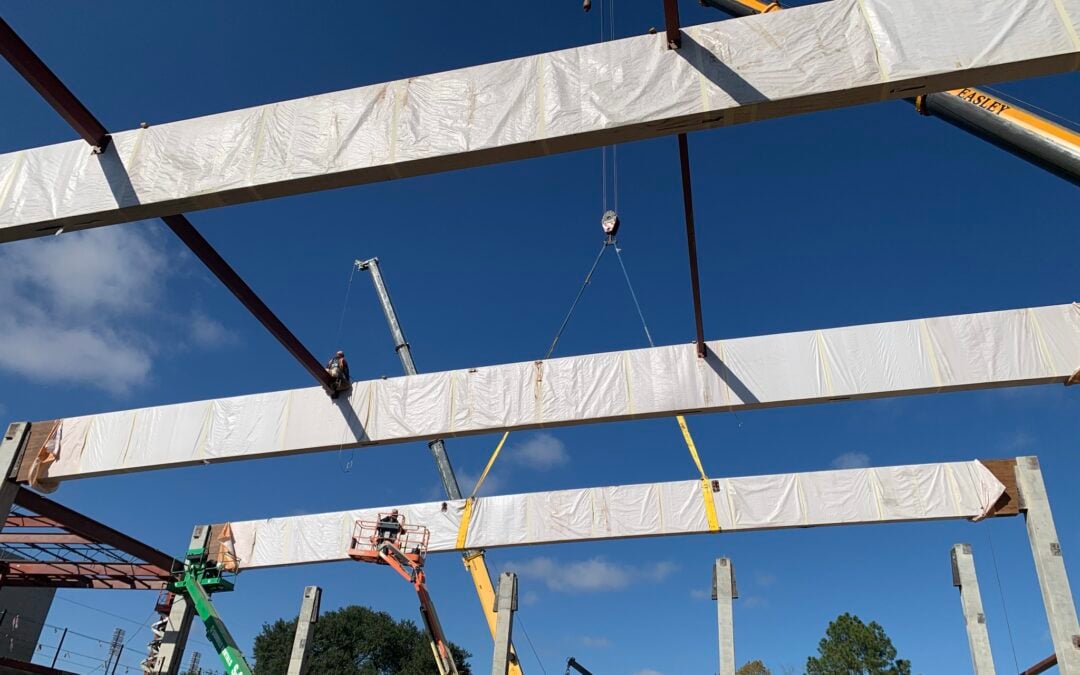
Mass timber refers to engineered wood products that are manufactured to serve as primary structural components in buildings. These systems are designed to handle significant loads while maintaining stability and consistency. They are increasingly used in modern construction for their strength, efficiency, and sustainability.
Mass timber is widely used in modern construction for mid-rise and commercial buildings. To better understand how these systems are applied in real projects, explore this detailed guide on timber construction methods. It offers deeper insights into materials, methods, and construction approaches used in timber buildings.
Engineered Wood
Engineered wood products are created by bonding wood layers, fibers, or veneers together under controlled conditions. This process results in materials that are stronger and more uniform than natural timber. These products are commonly used in beams, panels, and framing systems. They allow for more efficient use of resources while improving the reliability of structural components.
Load-Bearing Wall
A load-bearing wall supports the weight of the structure above it and transfers that load to the foundation. In timber construction, these walls are essential for maintaining structural stability. Understanding which walls are load-bearing is critical during design and renovation. Altering these walls without proper planning can weaken the structure and lead to safety concerns.
Post and Beam
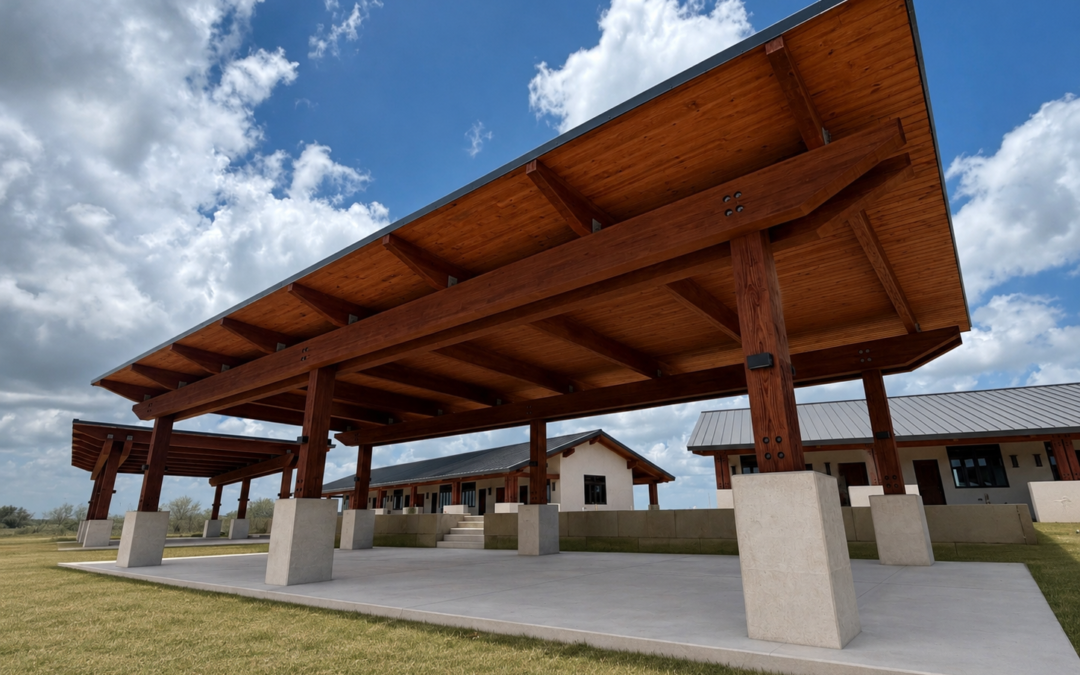
Post and beam construction uses vertical posts and horizontal beams to form the structural framework. This approach allows for larger open spaces and flexible interior layouts. It is widely used in both traditional and modern timber construction. The system provides strong support while also contributing to a clean and open architectural design.
Mass Timber-Specific Terminology
Mass timber-specific terminology refers to engineered wood products designed for larger, load-bearing structures. Understanding these terms helps clarify how modern timber systems are used in construction. It also highlights their benefits in terms of strength, efficiency, and construction speed.
Cross-Laminated Timber (CLT)
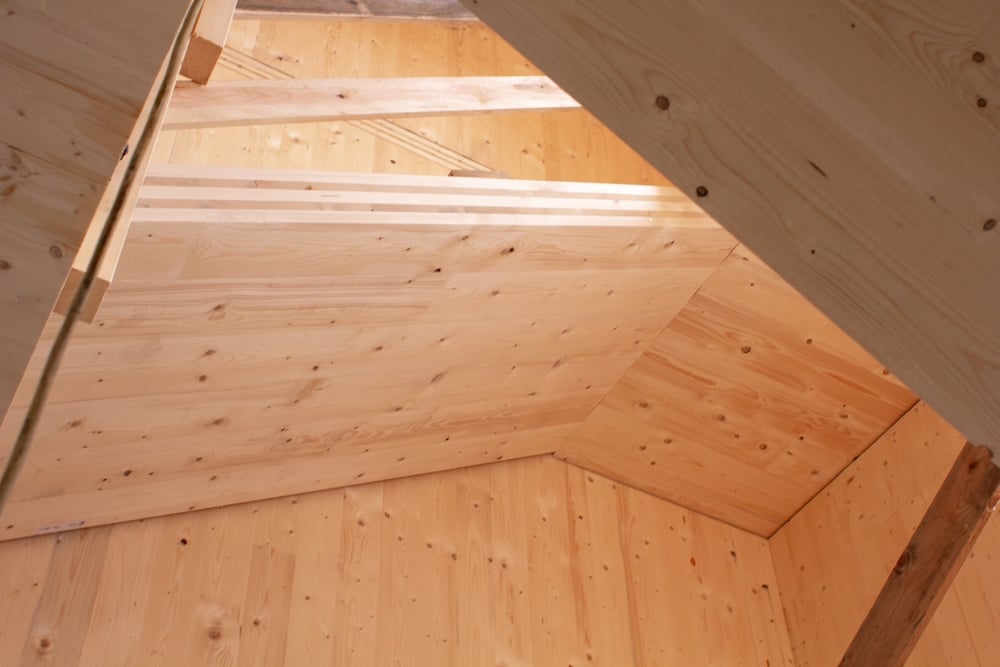
Cross-laminated timber is made by layering boards in alternating directions and bonding them together. This cross-layering improves strength and reduces movement caused by moisture changes. CLT panels are used for walls, floors, and roofs and are often prefabricated, which helps speed up installation and improve construction efficiency. For a deeper look into how these panels are installed and detailed on-site, explore CLT timber construction details, which explain key construction considerations and practical applications. CLT panels are widely used in multi-story residential and commercial buildings where speed of construction is critical.
Glue-Laminated Timber (Glulam)
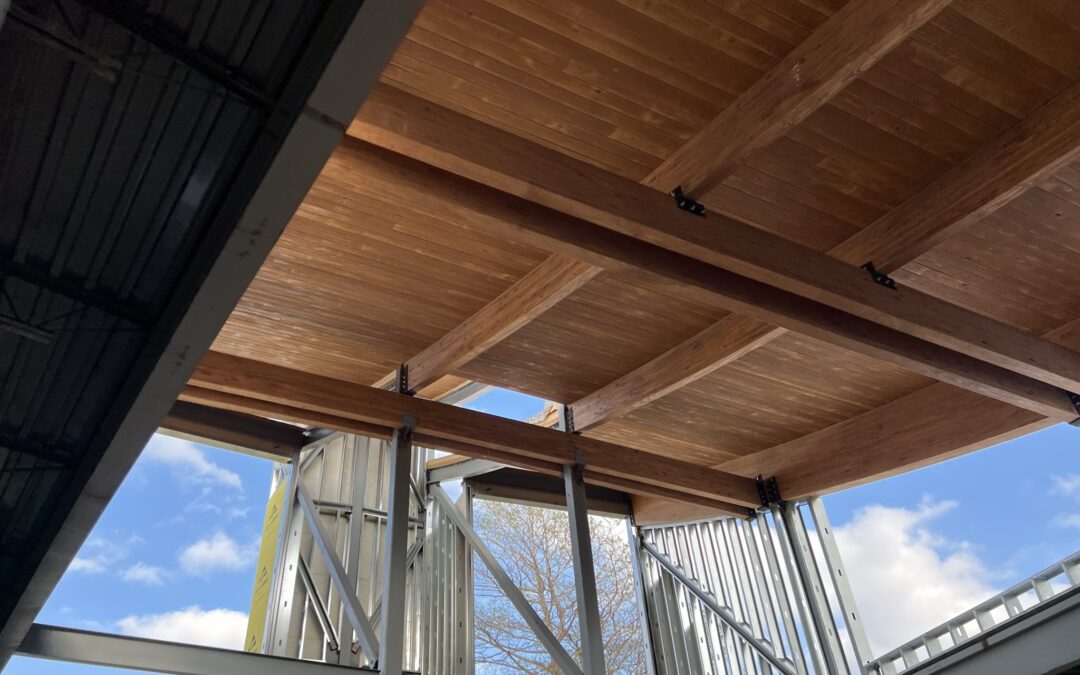
Glulam is produced by bonding layers of wood together to create strong, flexible structural members. These beams can support heavy loads and span long distances. They are often used in projects that require both strength and design flexibility, including curved or complex structures.
Laminated Veneer Lumber (LVL)
Laminated veneer lumber is manufactured by bonding thin wood veneers together with the grain aligned in the same direction. This creates a material with consistent strength and performance. LVL is commonly used for beams, headers, and framing components. It is valued for its reliability in structural applications.
Nail-Laminated Timber (NLT)
Nail-laminated timber is created by stacking lumber and fastening the layers with nails. It is one of the simpler forms of mass timber construction. NLT is often used in floor and roof systems. Its straightforward manufacturing process makes it a cost-effective option for many projects.
Structural & Design Terms
Structural and design terms define the key elements that support and shape a timber building. Understanding these terms helps explain how loads are distributed within the structure. They also show how the overall design maintains stability and safety.
Joist
Joists are horizontal members that support floors and ceilings. They help distribute loads evenly and provide a stable base for flooring systems. Proper sizing and spacing of joists are important to maintain structural integrity and prevent issues over time.
Beam
Beams carry loads from joists, walls, and roofs and transfer them to vertical supports. They are essential components in maintaining the strength of the structure. Timber beams can be made from solid wood or engineered materials, depending on the design requirements.
Column
Columns are vertical supports that carry loads from beams and transfer them to the foundation. They play a key role in maintaining the overall stability of the building. They can be integrated into the design as visible elements or concealed within walls.
Sheathing
Sheathing panels are attached to the structural frame to provide additional support and a base for finishes. They also help improve resistance to external forces such as wind. This layer contributes to both structural strength and building performance.
Diaphragm
A diaphragm distributes lateral forces across the structure, helping it resist movement caused by wind or seismic activity. Floors and roofs often act as diaphragms in timber buildings. This system works together with walls and framing to maintain structural stability.
Joinery & Connection Terms
Joinery and connection terms describe how timber elements are fitted and secured together. These methods are essential for ensuring structural strength and stability. They also contribute to the long-term durability of the structure.
Mortise and Tenon
This traditional joinery method involves fitting one piece of wood into another to create a strong connection. It is widely used in timber framing for its durability. The technique has been used for centuries and continues to be valued for its reliability.
Dowel
Dowels are cylindrical rods used to reinforce joints between timber elements. They help maintain alignment and strengthen the connection. They are often used alongside other joinery techniques to improve overall structural performance.
Fasteners
Fasteners include nails, screws, bolts, and connectors used to secure timber components. They are essential for maintaining structural integrity. Choosing the right fastener depends on load conditions and environmental factors.
Sustainability & Performance Terms
Sustainability and performance terms explain how timber buildings impact the environment and perform over time. Understanding these concepts helps evaluate energy efficiency and durability. They also provide insight into long-term building performance.
Carbon Sequestration
Timber stores carbon dioxide absorbed during tree growth, helping reduce overall emissions. This makes timber construction a more environmentally responsible choice. Using wood in construction supports sustainability goals while maintaining performance.
Thermal Performance
Timber has natural insulating properties that help maintain indoor temperatures. This contributes to improved energy efficiency and occupant comfort. It also reduces the need for excessive heating and cooling.
Fire Resistance
Modern timber systems are designed to perform reliably in fire conditions. Mass timber forms a protective char layer that slows the spread of fire. This predictable behavior helps maintain structural integrity when properly designed.
Common Mistakes to Avoid
Misinterpreting timber building definitions can lead to design errors and delays. One common issue is assuming all timber materials perform the same way, when in reality, engineered products vary significantly in strength and application.
Another mistake is confusing traditional timber framing with mass timber systems. These methods differ in both materials and construction techniques, and understanding this distinction is important for proper planning. Ignoring structural terms during discussions can also result in poor decisions. A clear understanding of terminology helps reduce risks and supports smoother project execution.
Building Efficient and Durable Timber Frame Homes
Timber frame construction combines natural strength, durability, and energy efficiency in one building system. When insulation systems, structural framing, and moisture control are properly integrated, homes remain comfortable and efficient. They are also better protected for long-term performance.
As experienced timber frame builders, Binkley Construction supports projects from planning through completion. Our team works with a range of insulation systems, framing methods, and building materials to ensure every structure performs as intended. By focusing on quality construction and attention to detail, Binkley Construction delivers homes that are efficient, durable, and built to last.
Planning a timber frame home? Contact us to ensure your project achieves long-term performance, energy efficiency, and lasting structural integrity.