Mass timber construction continues to grow across commercial, institutional, and multi-family building projects because of its speed, sustainability, and design flexibility. In fact, some industry studies show that mass timber buildings can reduce construction time by 30% compared to traditional building materials. However, successful mass timber construction depends heavily on detailed preconstruction planning. Without a clear strategy before construction begins, projects can face coordination issues, fabrication delays, moisture exposure problems, and unexpected costs.
Preconstruction planning creates the foundation for a smoother building process. It allows project teams to identify risks early, improve communication, and align construction schedules with manufacturing timelines. Since many mass timber components are prefabricated off-site, planning mistakes made early in the project can affect the entire construction timeline. Effective preconstruction planning also improves cost control and project efficiency. Contractors, architects, engineers, and suppliers can work together to solve design challenges before materials reach the jobsite. This level of coordination helps reduce waste, improve installation sequencing, and support better project outcomes.
Key Takeaways
- Mass timber preconstruction planning helps reduce delays and improve coordination
- Early design collaboration supports fabrication accuracy and installation efficiency
- Moisture management planning is critical for protecting timber materials
- BIM and digital modeling improve communication between project teams
- Supply chain coordination helps prevent material delivery issues
- Risk management strategies improve cost control and scheduling reliability
Why Preconstruction Planning Matters in Mass Timber Construction
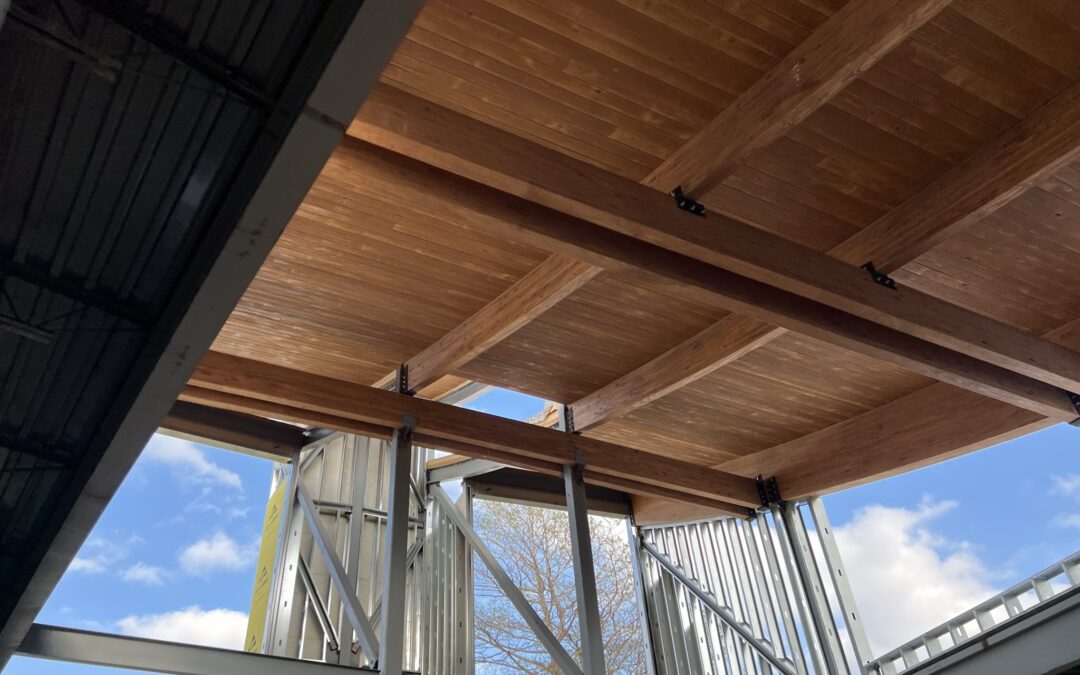
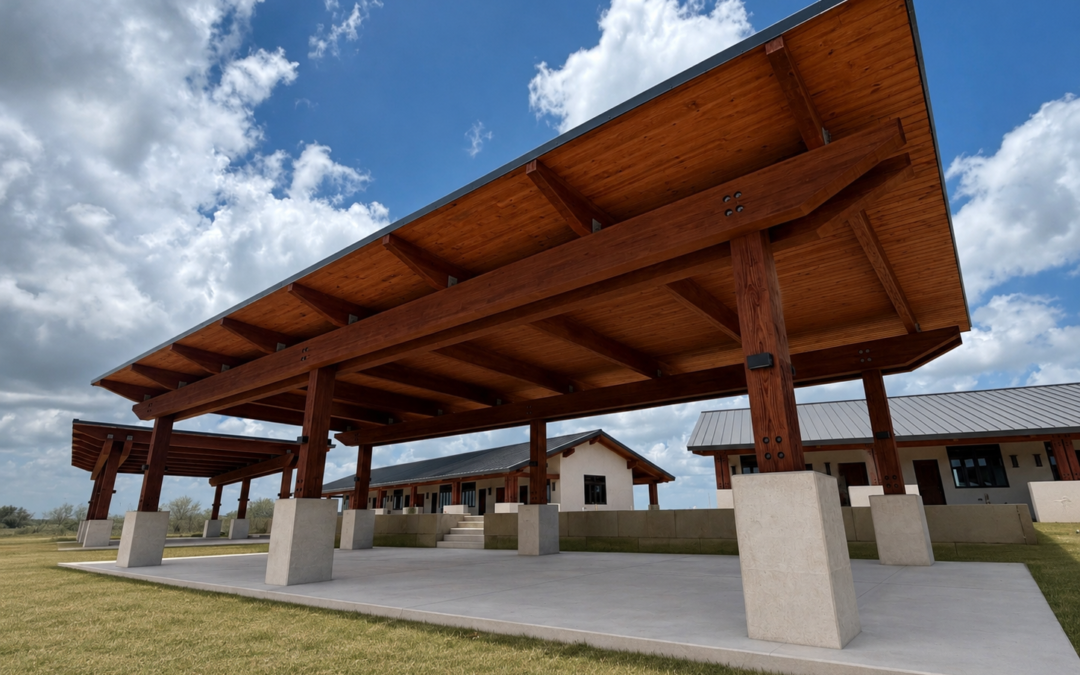
Mass timber projects require a different level of planning compared to traditional construction methods. Materials such as cross-laminated timber (CLT), glue-laminated timber (glulam), and nail-laminated timber (NLT) are often manufactured off-site with precise dimensions. Once fabrication begins, making major design changes can become expensive and time-consuming.
Preconstruction planning helps teams finalize important details before production starts. Structural systems, connection points, mechanical layouts, and installation sequencing must all be coordinated early in the process. Careful planning helps reduce field modifications that could delay construction or increase labor costs. This phase also supports better communication among all stakeholders. Architects, engineers, contractors, fabricators, and suppliers can identify conflicts before construction begins. Early collaboration improves decision-making and helps prevent misunderstandings during the project, especially in complex mass timber construction projects where coordination plays a major role in overall efficiency.
Early Design Coordination Improves Project Efficiency
Design coordination is one of the most important parts of mass timber preconstruction planning. Because mass timber systems rely on prefabricated components, design accuracy directly affects construction efficiency. Small errors in dimensions or layouts can create major problems during installation. Early coordination meetings help align architectural, structural, and mechanical systems. Teams can review:
- Connection details
- Mechanical and electrical penetrations
- Equipment placement
- Installation sequencing
- Structural alignment issues
Addressing these elements before fabrication begins helps reduce the risk of costly field adjustments and installation delays. Building Information Modeling (BIM) is commonly used during this stage. BIM allows project teams to create detailed 3D models that improve visualization and coordination. These models help identify clashes between building systems and improve communication across disciplines.
Moisture Control Planning Protects Mass Timber Materials
Moisture management is a major consideration in mass timber construction. Wood products can absorb moisture during storage, transportation, or installation if proper protection measures are not in place. Excess moisture exposure may affect material performance, appearance, and long-term durability in mass timber building design projects.
Preconstruction planning should include a detailed moisture protection strategy. Teams should identify storage requirements, weather protection methods, and drying procedures before materials arrive on-site. Clear responsibilities for moisture monitoring and protection should also be assigned to project team members.
Construction sequencing also plays an important role in moisture management. Installing roofing systems quickly and minimizing prolonged exposure to rain can help protect timber components. Planning these steps early helps reduce the risk of project delays and material damage.
Fabrication and Supply Chain Coordination
Mass timber projects depend heavily on manufacturing schedules and material delivery coordination. Unlike traditional framing materials that can often be adjusted onsite, prefabricated timber components are produced to exact specifications. Delays in fabrication or shipping can affect the entire construction schedule. Preconstruction planning allows teams to coordinate production timelines with site readiness, helping align delivery schedules with crane access, installation sequencing, and labor availability.
Supply chain planning is especially important for projects using imported timber products or specialty connectors. Lead times for certain materials may be longer than expected, which can create scheduling challenges if procurement is delayed. Early planning helps improve project efficiency and reduces the risk of disruptions during construction. Key supply chain planning considerations include:
- Material lead times
- Supplier availability
- Transportation schedules
- Procurement timelines
- Specialty connector availability
- Potential material shortages
Clear communication between suppliers, fabricators, and contractors helps keep the project schedule on track. Early coordination also improves flexibility when unexpected delays or logistics challenges arise. A well-organized supply chain strategy supports smoother installation and better overall project performance.
Cost Estimating and Budget Control
Accurate budgeting is another important part of mass timber preconstruction planning. While mass timber can provide labor savings and faster installation, project costs can still increase if coordination issues arise during construction. Early cost analysis helps teams understand material pricing, fabrication costs, and installation requirements.
Estimators should evaluate transportation, crane operations, moisture protection, and specialized labor during the budgeting process. These factors can significantly affect the final project cost. Including these details early helps create a more realistic financial plan. Value engineering discussions may also occur during preconstruction. Teams can review structural systems, material selections, and construction methods to identify opportunities for cost savings without affecting project quality or performance.
Construction Sequencing and Site Logistics
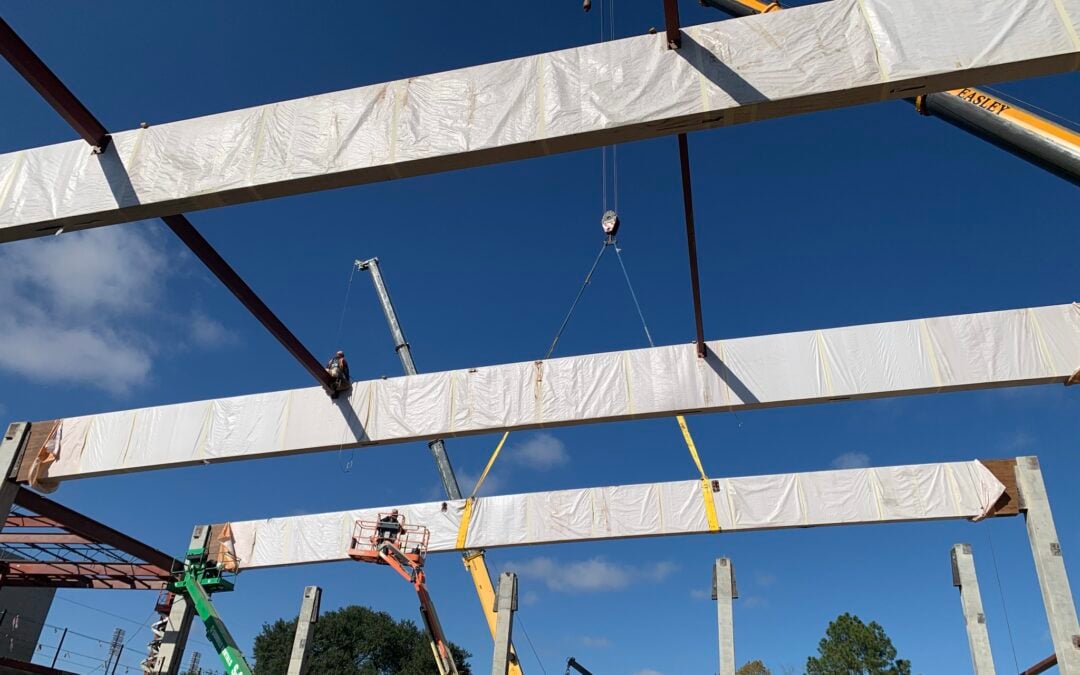
Mass timber installation often moves quickly once materials arrive on-site. Because of this, construction sequencing must be carefully planned during preconstruction. Efficient scheduling helps reduce downtime, improve coordination, and support safer jobsite operations throughout the building process. Teams should coordinate several site logistics factors before construction begins, including:
- Crane access and lift planning
- Material staging areas
- On-site storage requirements
- Delivery scheduling
- Installation sequencing
- Just-in-time material delivery strategies
Delivery schedules should align closely with installation progress to avoid overcrowding the jobsite with materials. Limited storage space may require more precise coordination between suppliers and installation crews. Organized staging and sequencing also reduce unnecessary material movement, improve crew efficiency, and help minimize disruptions during construction.
Risk Management Strategies for Mass Timber Projects
Every construction project involves risk, but mass timber projects have unique challenges that require proactive planning. Delays in fabrication, weather exposure, transportation issues, and coordination conflicts can all affect project performance. Identifying these risks early helps teams create practical mitigation strategies. Preconstruction meetings should include discussions about contingency planning and project responsibilities. Teams should establish communication procedures for addressing unexpected issues during fabrication or installation.
Clear documentation also helps reduce disputes and improve accountability. Insurance requirements and code compliance reviews are also important during this phase. Since mass timber construction continues to evolve in many regions, project teams should verify local building regulations and fire safety requirements early in the planning process.
Technology Supports Better Preconstruction Planning
Digital tools continue to improve mass timber project coordination and efficiency. BIM software allows teams to review detailed models before fabrication begins. These models improve accuracy and help identify conflicts between structural, mechanical, and architectural systems.
Project management platforms also improve communication between stakeholders. Teams can track schedules, share documents, and manage revisions in real time. Better communication helps reduce delays and improve decision-making throughout the project. Some projects also use digital fabrication tools connected directly to manufacturing equipment. This process improves precision and helps reduce material waste. Technology plays an important role in supporting quality control and construction efficiency in modern mass timber projects.
Sustainable Planning Considerations
Sustainability is one of the biggest advantages of mass timber construction. However, achieving sustainability goals requires careful planning during preconstruction. Material sourcing, transportation, waste reduction, and energy efficiency should all be considered early in the design process.
Many project teams evaluate environmental certifications such as FSC-certified wood products or green building standards during preconstruction. Early planning allows teams to align material selections with sustainability objectives. This approach also supports long-term environmental performance. Efficient coordination and accurate fabrication can also reduce construction waste. Minimizing rework and improving installation efficiency helps support more sustainable building practices across the project lifecycle.
Common Preconstruction Challenges in Mass Timber Projects
Several challenges can affect mass timber preconstruction planning if they are not addressed early. One common issue is delayed decision-making during the design phase. Since fabrication depends on finalized drawings, late design changes can disrupt manufacturing schedules, delay deliveries, and increase overall project costs.
Project teams may also face coordination challenges during preconstruction, especially when multiple disciplines are involved. Structural systems, building services, and architectural layouts must align before production begins. Poor communication between teams can lead to field conflicts, installation delays, and rework during construction. Common preconstruction challenges include:
- Late design revisions
- Fabrication scheduling delays
- Coordination gaps between project teams
- Misalignment between structural and mechanical systems
- Weather exposure risks during transportation and installation
- Limited on-site storage space
Weather planning can also become a major concern in mass timber projects. Exposure to rain or humidity during transportation and installation may affect timber materials if protection measures are not clearly established. Early planning helps teams prepare for these conditions, improve coordination, and reduce construction risks.
Plan Successful Mass Timber Projects
Mass timber construction combines speed, sustainability, and design flexibility, but successful projects depend heavily on detailed preconstruction planning. When coordination, scheduling, fabrication, and moisture protection strategies are addressed early, project teams can reduce delays, improve efficiency, and support smoother construction workflows.
As experienced professionals in mass timber construction, Binkley Construction supports projects through careful planning, coordination, and execution. The team works closely with architects, engineers, fabricators, and contractors to help align project goals, installation sequencing, and site logistics. By focusing on early collaboration and organized preconstruction processes, Binkley Construction helps deliver efficient and well-coordinated building projects.
Planning a mass timber project? Contact us to support efficient scheduling, better coordination, and long-term project success.