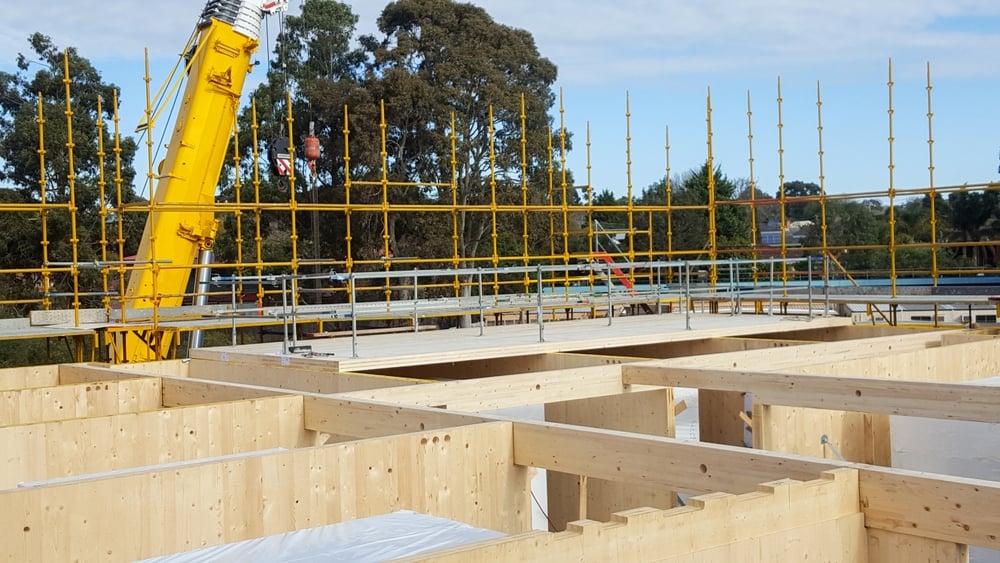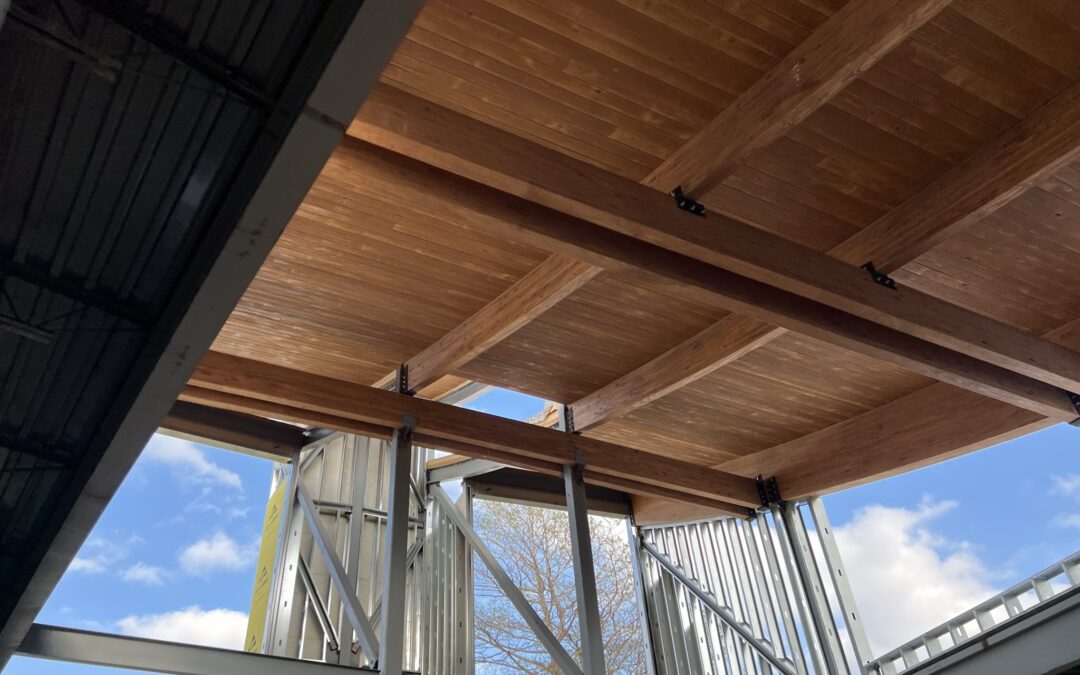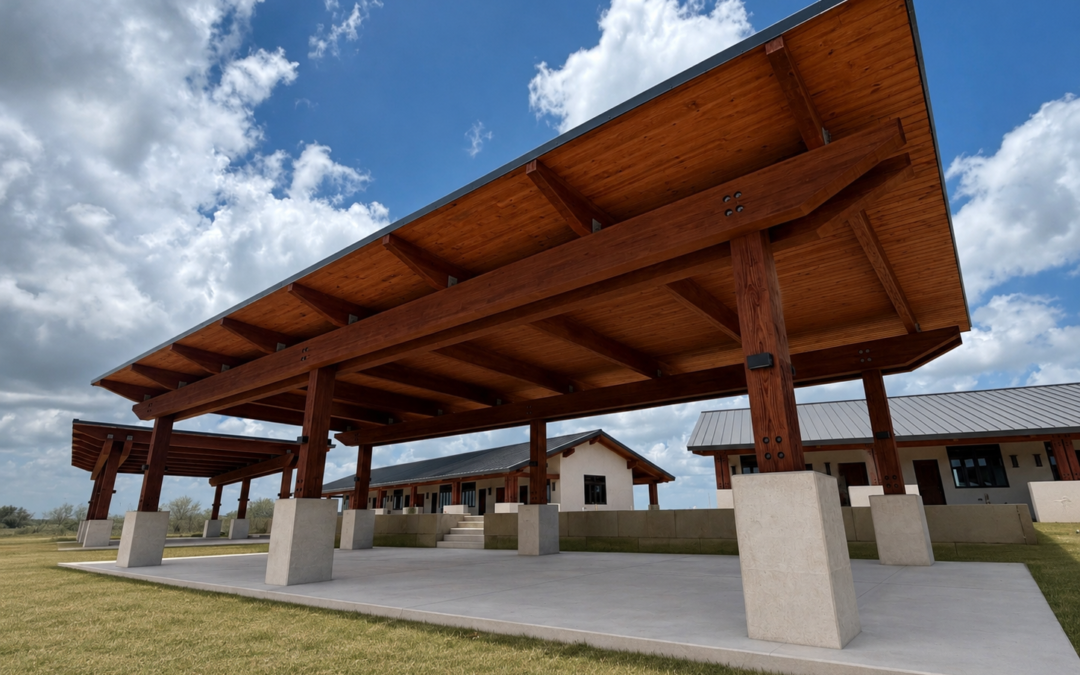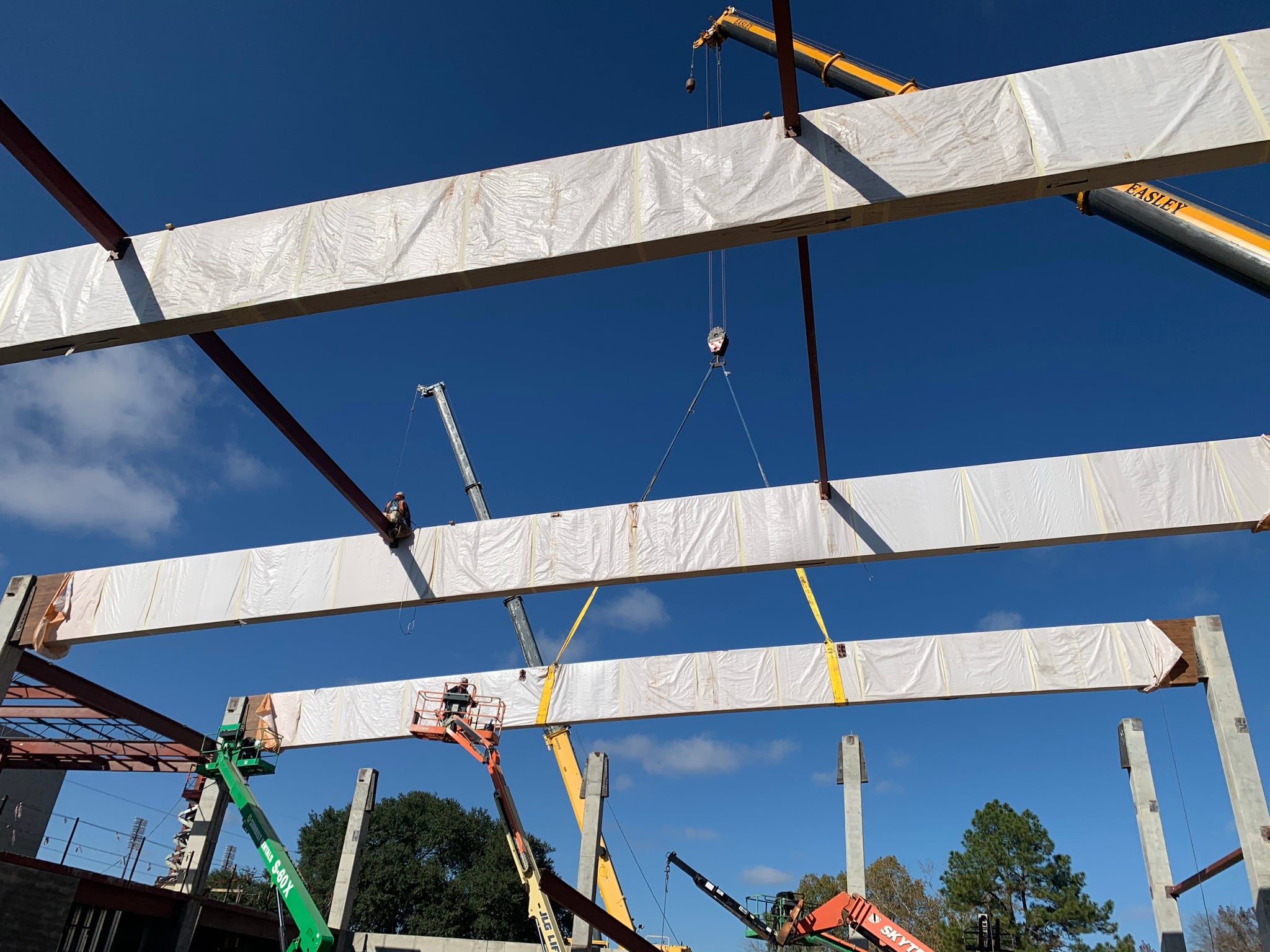
Timber erection is where the planning and fabrication of a mass timber project come together on site. Beams, columns, panels, and other components need to arrive in the right sequence, be handled carefully, and be installed according to the project drawings. Good coordination between the erection crew, crane team, fabricator, and other trades helps keep the work moving smoothly.
The importance of careful lifting practices is reflected in OSHA data showing that 75% of struck-by fatalities involving cranes in construction involve workers being struck by a moving or falling object. For a timber erection contractor, the work involves more than positioning members. It also requires attention to rigging, connections, temporary stability, access, and site conditions so each part of the structure can be installed safely and correctly.
Key Takeaways
- Plan the erection sequence before materials arrive
- Coordinate connections, equipment, and site access early
- Protect timber during delivery, storage, and installation
- Prioritize fall protection and safe lifting practices
- Verify alignment, connections, and stability throughout erection
What Is Timber Erection?
Timber erection is the process of assembling structural timber components into their designed positions on a construction site. Depending on the project, this may include glulam beams and columns, cross-laminated timber panels, timber decking, trusses, and other engineered wood products.
Mass timber components are often prefabricated to precise dimensions before reaching the jobsite. That precision can improve construction efficiency, but it also means field conditions must closely match the approved drawings. Problems with dimensions, connections, embeds, or supporting construction can create delays once erection begins.
A typical timber erection operation includes:
- Delivering and staging components
- Rigging and lifting members
- Positioning and aligning components
- Installing structural connections
- Providing temporary stabilization where required
- Checking completed work before moving forward
Because these activities are closely connected, the timber erection contractor should be involved early in project planning. Early involvement helps identify access, sequencing, lifting, and coordination requirements before work begins. It also allows potential conflicts to be addressed in advance, reducing delays and improving overall site efficiency.
Plan the Erection Sequence Before the Jobsite Work Begins
A successful installation starts well before the first timber member is lifted. The project team should develop an erection plan based on the building design, component sizes, connection details, crane access, delivery routes, and site conditions. The plan should identify where materials will be delivered and staged, how components will reach their final locations, and what temporary support will be required during construction. It should also account for other trades working around the timber structure.
Important planning considerations include:
- Erection sequence and daily production goals
- Crane location, capacity, and reach
- Rigging requirements
- Delivery and staging areas
- Temporary bracing
- Worker access and fall protection
- Structural connection sequence
- Weather conditions
- Coordination with concrete, steel, and MEP trades
- Field inspection requirements
Planning these details reduces unnecessary material handling and helps crews avoid situations where a component cannot be safely accessed or installed. It also supports a smoother installation sequence by ensuring materials are positioned where they are needed at the right time. Early planning can further reduce delays, rework, and unnecessary movement of workers and equipment.
Coordinate Design, Fabrication, and Field Conditions
Mass timber construction relies heavily on prefabrication. Beams, columns, and panels may arrive with connection holes, notches, openings, and hardware locations already established. For that reason, preconstruction planning and coordination between design, fabrication, and field installation are essential. Before erection begins, the team should confirm that structural dimensions match the fabrication drawings. Column locations, beam bearing points, slab edges, embeds, and other interfaces should be checked before timber arrives.
Connection accessibility should also be reviewed. A connection that looks straightforward on a drawing may become difficult to reach once adjacent members are installed. Identifying those issues early can prevent field delays and unnecessary rework. Coordination with other trades is equally important. Mechanical, electrical, plumbing, fire protection, and other systems may interact with structural timber members, particularly where services pass through or around the structure.
Glulam Installation Requires Precision
Glulam installation requires careful handling because these engineered wood members are manufactured for specific structural applications and, in many projects, remain visible after construction. During installation, crews should verify member identification, orientation, bearing surfaces, connection locations, alignment, and temporary stabilization. Lifting and handling methods should also protect finished surfaces from unnecessary damage.
For exposed glulam, appearance matters as much as structural installation quality. Scratches, stains, impact damage, or excessive moisture exposure can affect the finished appearance and may require additional repair. Field cutting, drilling, notching, or other modifications should never be performed without proper authorization. Changes to an engineered timber member can affect its structural capacity and connection performance.
Plan Every Lift Carefully
Lifting large timber components requires coordination between the crane operator, rigging crew, signal person, installers, and site supervision. The lifting plan should account for the member’s weight, dimensions, center of gravity, rigging configuration, crane capacity, reach, and site conditions.
Before a lift, the team should confirm:
- Correct component and orientation
- Crane capacity and setup
- Approved rigging equipment
- Appropriate lifting points
- Clear travel path
- Ready landing area
- Connection hardware and tools
- Personnel responsibilities
- Weather and wind conditions
Clear communication is particularly important when large timber members restrict visibility. Workers should understand who is directing the lift and where personnel are permitted to stand during the operation. Agreed hand signals or reliable communication systems should be used to ensure instructions are understood throughout the lift.
Protect Timber During Storage and Installation
Timber components can be exposed to moisture, mud, equipment traffic, and impact damage from the moment they arrive on site. Proper protection helps preserve both structural components and finished architectural surfaces. Components should be kept off the ground and stored in a manner that allows drainage. Covers can provide protection from weather, but they should be used appropriately so moisture is not trapped against the timber. During erection, crews should also maintain clean access around stored materials and prevent construction equipment from contacting exposed timber. Protection is especially important when timber will remain visible in the finished building. Avoiding damage during erection can reduce cleaning, repair, and replacement work later in the project.
Temporary Stability Should Be Planned
A partially erected timber structure does not necessarily have the same stability as the completed building. Temporary bracing, shoring, or other stabilization measures may therefore be required while erection progresses. The erection team should understand which members require temporary support, when that support must be installed, and when it can safely be removed. The plan should also consider changing conditions such as wind and other environmental loads. Temporary stability should be addressed during planning rather than improvised in the field. The approved erection methodology and direction from the responsible design professionals should govern these requirements.
Make Safety Part of the Erection Process
Timber erection can involve elevated work, suspended loads, cranes, temporary structures, and multiple crews working in the same area. Fall protection and safe work practices should therefore be incorporated into each stage of installation. OSHA identifies falls as a leading cause of construction fatalities and emphasizes planning, appropriate protection, and worker training as key elements of fall prevention.
A timber erection safety plan should address:
Fall protection: Provide appropriate guardrails, personal fall protection systems, safe access, and other required measures. Inspect fall protection equipment before use and ensure workers are trained in its proper use. Any damaged or unsuitable equipment should be removed from service immediately and replaced.
Dropped objects: Control areas beneath overhead work and secure tools and materials. Use tool lanyards, toe boards, and other controls to prevent objects from falling. Regularly inspect overhead work areas to ensure that tools, materials, and temporary items remain properly secured.
Rigging operations: Use properly rated equipment and establish clear communication between the crane operator and ground crew. Inspect rigging before each use and ensure only qualified personnel perform rigging activities.
Site access: Keep walkways, work platforms, and access points clear and suitable for the work being performed. Remove obstructions promptly and maintain adequate lighting and housekeeping. Access routes should also be checked regularly to ensure they remain safe and unobstructed as work progresses.
Weather: Monitor wind, rain, lightning, and other conditions that could affect workers or suspended components. Suspend work when conditions become unsafe and resume only when it is safe to do so. Weather conditions should be reviewed throughout the workday, particularly before lifting or other high-risk activities.
Safety should remain part of daily planning rather than being treated as a separate activity. Regular pre-task discussions and ongoing hazard assessments help ensure risks are identified and controlled throughout the work.
Use Daily Coordination to Maintain Productivity
Even a detailed erection plan needs regular field coordination. Daily meetings allow the superintendent, timber erection contractor, crane team, and other trades to review upcoming work and identify potential problems before they affect production.
A daily coordination review can cover:
- Timber deliveries
- Components scheduled for installation
- Crane operations
- Connection readiness
- Temporary bracing
- Access requirements
- Weather conditions
- Trade conflicts
- Inspection requirements
This approach allows the team to respond quickly when site conditions differ from the original plan. It also helps prevent small coordination issues from becoming larger schedule problems. Regular communication and timely decision-making help keep the work aligned with changing site conditions and project requirements.
Check Quality During Installation
Quality control should take place as the structure is erected rather than waiting until an entire floor or building section is complete. Early checks make it easier to correct problems while components and connections remain accessible.
Field inspections can verify:
- Member identification and location
- Beam and column alignment
- Elevation and bearing
- Plumb and level
- Connection installation
- Bolts, plates, and fasteners
- Temporary bracing
- Visible damage
- Interfaces with adjacent construction
Photographs can also document connections and areas that will become difficult to access after subsequent construction. If a member does not fit as expected or a connection cannot be installed as detailed, crews should stop and determine the cause. Unauthorized field modifications can compromise an engineered timber system and should be avoided.
How to Improve Timber Erection Efficiency
A well-organized erection process can save time without cutting corners on safety or workmanship. Much of that efficiency comes from having materials, equipment, drawings, and crews ready before each installation begins.
- Schedule deliveries around the erection sequence
Bring timber to the site in an order that matches the planned installation. This limits unnecessary staging and reduces the need to move large components more than once. - Check connections before the lift
Anchors, embeds, plates, bolts, and other connection hardware should be ready before a member is lifted into position. A missing piece of hardware can leave a crane and crew waiting while the issue is resolved. - Make the most of crane time
Coordinate deliveries, rigging, and crew availability so the crane can keep moving through planned lifts. Good communication between the crane operator and ground crew helps avoid unnecessary delays. - Keep erection information easy to follow
Clear drawings and accurate member identification help installers quickly confirm where each component belongs and how it connects to the structure. - Address design questions before installation
If dimensions, connections, or field conditions do not match the drawings, resolve the issue before the component is lifted. Early clarification is usually much easier than making changes after installation. - Protect the timber as work progresses
Handle timber carefully and protect exposed surfaces throughout installation. This helps prevent damage that could require cleaning, repair, or replacement later in the project.
Choosing the Right Timber Erection Contractor
A qualified timber erection contractor contributes more than installation labor. Experience with engineered wood systems can influence sequencing, material handling, rigging, temporary stability, connection installation, and field problem-solving. When evaluating a contractor, consider experience with:
- Mass timber erection
- Glulam installation
- Large-component rigging
- Structural connections
- Temporary bracing
- Exposed timber construction
- Construction safety
- Quality-control procedures
- Coordination with general contractors, engineers, and fabricators
Strong communication is also essential. Timber erection requires close coordination among architects, structural engineers, fabricators, crane operators, superintendents, and other trades. A contractor that understands those relationships can help keep the installation organized from the first delivery through final connection checks.
Timber Erection Requires Expertise and Precision
Timber erection requires careful planning, accurate coordination, and skilled craftsmanship to ensure structural performance and architectural quality. Understanding how these systems are planned, delivered, lifted, connected, and installed helps owners, architects, developers, and contractors make informed decisions for commercial construction projects.
As experienced commercial construction professionals, Binkley Construction supports projects that require detailed coordination, quality workmanship, and reliable execution. From early planning through installation, our team works alongside project partners to help ensure timber systems are integrated safely, efficiently, and successfully.
Planning a commercial project featuring timber construction? Contact us to bring your vision to life with the expertise, precision, and craftsmanship your project deserves.