Knowing different ways to build helps builders pick the best method for each project. Heavy timber construction, or Type IV construction, is strong, durable, and naturally beautiful. Walk into a building made with heavy timber, and it feels warm, welcoming, and solid.
This method has been used for centuries and is becoming popular again in modern architecture. In Conroe, Texas, projects like the Texas Christian University Dining Hall and Immanuel Lutheran Church show how Binkley Construction creates spaces that are both sturdy and attractive.
Modern materials like mass timber panels, glulam beams, and structural decking let builders make long-lasting, eco-friendly buildings without losing style. Heavy timber makes buildings last and gives them a natural, inviting feel that people enjoy.
Key Takeaways
- Provides a warm, natural appearance that enhances interiors
- Offers fire resistance and long-term structural reliability (Type IV construction)
- Supports sustainable and eco-friendly building practices
- Differs from mass timber in size, composition, and assembly methods
- Requires careful selection of timber species and sustainable sourcing
What is Heavy Timber Construction?
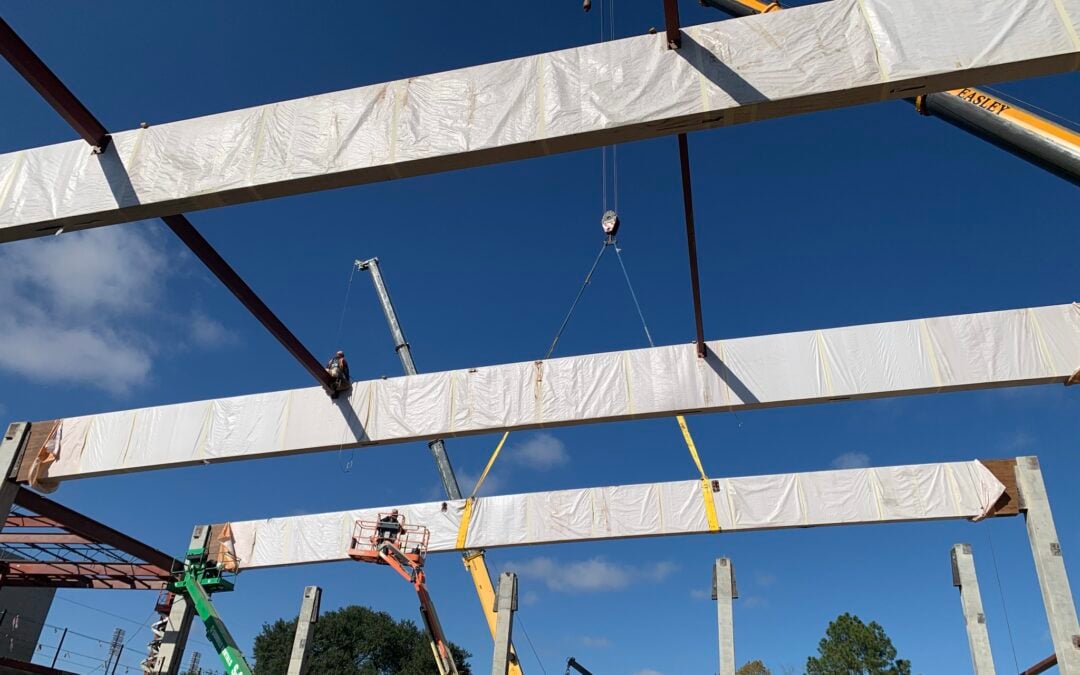
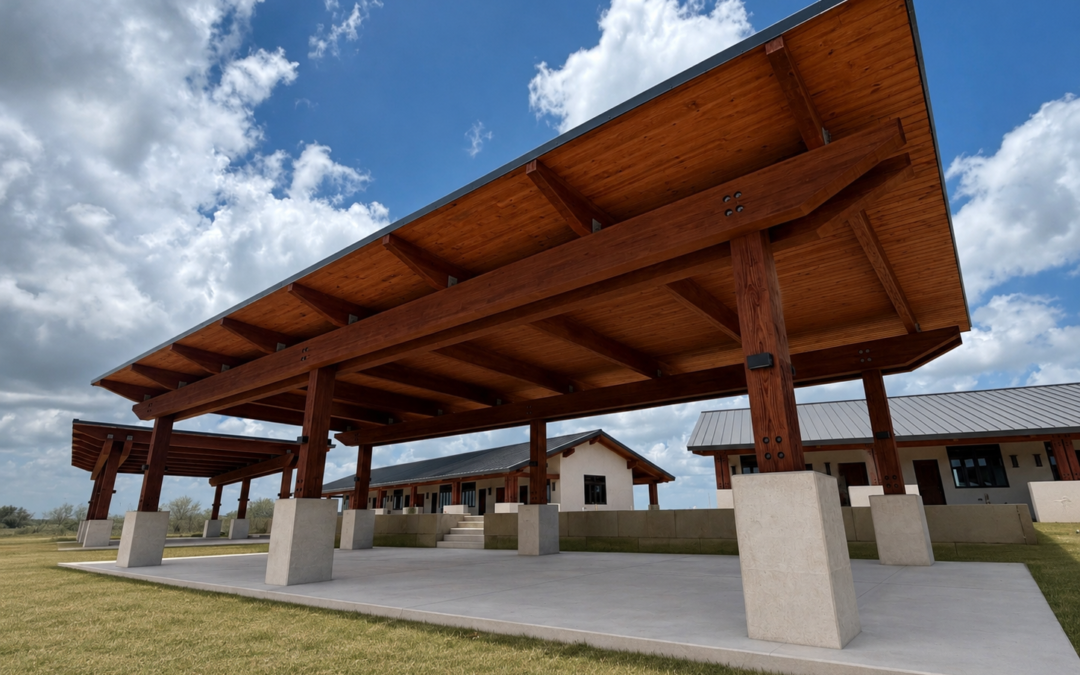
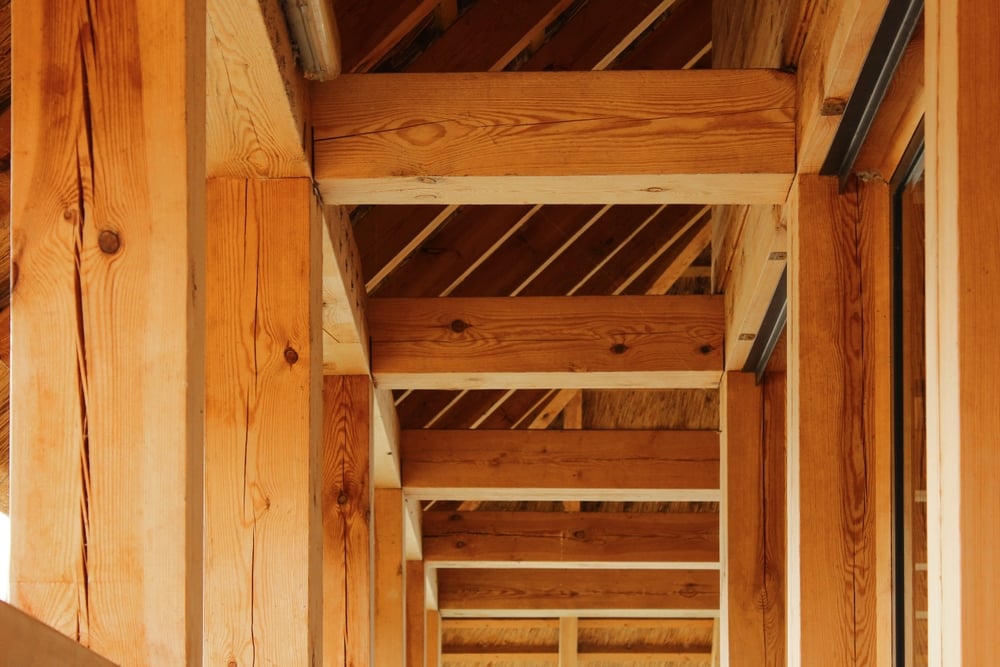
Heavy timber, also called timber framing, uses large solid wood beams and columns as the main structural elements. Builders in Texas favor it for its versatility. It fits both rustic and modern designs, creating spaces that feel open, natural, and durable.
Structurally, heavy timber is remarkable. Thick wood beams burn on the outside slowly, forming a protective layer that shields the inner core. This keeps the main structure strong longer during a fire, improving overall safety. They also provide thermal insulation, helping buildings stay energy-efficient and comfortable.
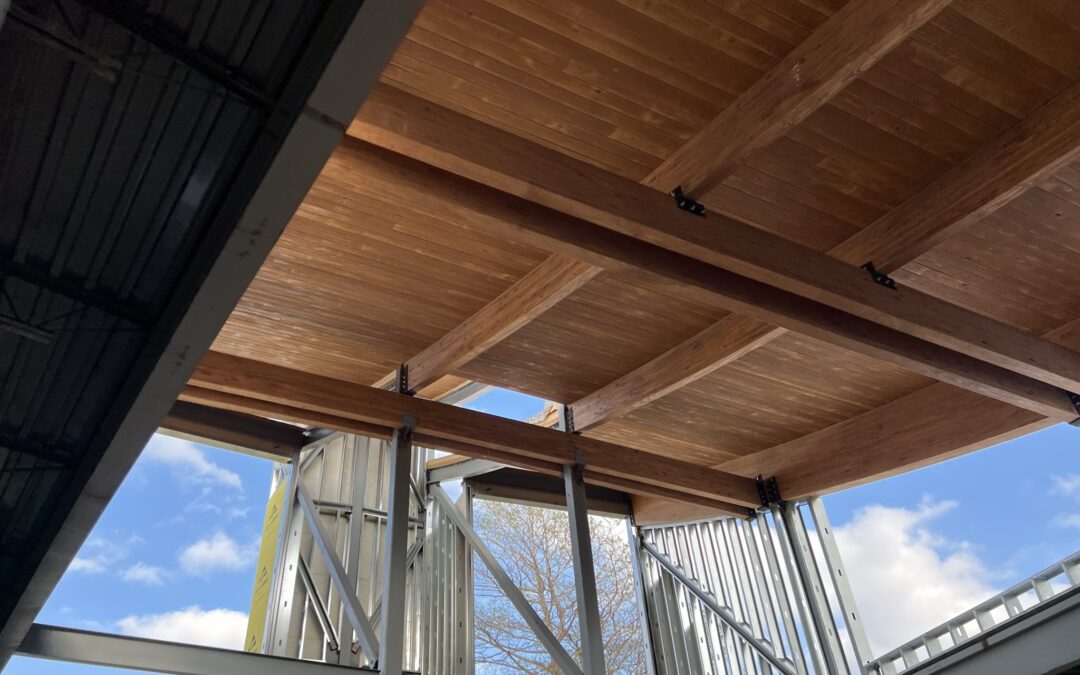
Heavy timber is more than just a strong material. Its large, exposed beams create warm interiors. It can complement steel and concrete in hybrid construction, allowing long spans and open spaces while maintaining stability.
What is Type IV Construction?
While heavy timber is Type IV construction, other construction types are commonly used. Understanding these options helps architects and builders choose materials and designs that meet safety, durability, and budget requirements. It also allows for better planning of fire resistance, structural performance, and overall project goals.
Other Construction Types
Each construction type has unique materials, fire resistance, and common uses. Understanding these differences helps architects and builders choose the safest, most efficient, and cost-effective solution for each project:
Type I Construction
Type I buildings are fully non-combustible, typically made of steel or concrete. They offer the highest fire resistance and are ideal for very tall or high-risk buildings. Features include:
- Non-combustible structural elements
- Very high fire resistance
- Common in skyscrapers, hospitals, and large public buildings
These characteristics make Type I the preferred choice for buildings requiring maximum structural safety. It also provides the highest level of fire protection.
Type II Construction
Type II construction also uses non-combustible materials but with slightly lower fire resistance than Type I. It is often chosen for commercial projects where moderate protection is sufficient. Features include:
- Non-combustible materials
- Moderate fire resistance
- Common in standard commercial buildings
Type II provides a balance between safety and cost-efficiency. This makes it a versatile option for mid-sized projects.
Type III Construction
Type III buildings feature non-combustible exterior walls with wood or combustible materials for interior walls and floors. This approach allows design flexibility while meeting moderate fire safety standards. Features include:
- Exterior walls are non-combustible, and interior walls are wood
- Moderate fire resistance
- Common in mid-rise residential and office buildings
This construction type is popular for buildings that need aesthetic warmth. It also ensures code-compliant fire safety.
Type IV Construction
Type IV construction, or heavy timber, uses large solid or engineered wood members. These timber members char slowly in a fire, protecting the structural core, which makes them reliable for multi-story buildings requiring both strength and visual appeal. Features include:
- Large timber members
- Slow charring preserves structural integrity
- Ideal for schools, churches, and commercial buildings
Type IV offers a unique combination of structural performance and fire safety. It also provides a warm, natural appearance that enhances interior spaces.
The Role of Heavy Timber in Building Projects
Heavy timber is more than a structural material. Exposed wood beams bring a warm, inviting aesthetic to interiors. Architects love its versatility because it blends with modern, traditional, or hybrid designs.
Structurally, heavy timber can complement steel and concrete in hybrid construction. This enables long spans and open spaces. It also supports sustainable building practices, using renewable resources to reduce the project’s carbon footprint.
Heavy Timber vs. Mass Timber: Construction Types
Heavy timber and mass timber are often confused, but they have distinct differences. Knowing these helps architects and builders select the best option for each project.
Each type has unique strengths suited to different design goals, timelines, and budgets. Understanding how they perform structurally, aesthetically, and financially makes project planning smoother.
| Feature | Heavy Timber | Mass Timber |
| Material Type | Solid wood beams and columns | Engineered wood panels (CLT, GLT) |
| Construction Method | Traditional carpentry skills | Prefabricated panels for faster assembly |
| Aesthetic Appeal | Rustic and traditional charm | Modern, clean, and versatile |
| Installation Time | Longer due to precise joinery | Shorter due to prefabrication |
| Cost Considerations | Labor-intensive | Material-intensive |
Builders in Conroe choose based on project size, timeline, and design goals. Heavy timber emphasizes traditional craftsmanship, while mass timber focuses on speed and prefabrication.
Fire Resistance of Heavy Timber
Heavy timber is valued for its fire resistance. Thick timber beams burn slowly on the outside, which forms a protective layer that keeps the inner core strong. This makes it ideal for multi-story commercial buildings, schools, and churches.
Fire Resistance Ratings
Building codes recognize heavy timber’s performance, giving it favorable fire resistance ratings. Type IV construction maintains strength and stability under fire conditions. Protective coatings, sprinkler systems, and hybrid designs can further enhance safety.
Heavy timber fire safety benefits include:
- Large timber beams char slowly, protecting the core
- Recognized by building codes for superior fire performance
- Provides more evacuation time in emergencies
- Can be enhanced with coatings or sprinklers
Maintenance and Longevity of Heavy Timber
Heavy timber is durable, but proper care ensures it lasts decades. Regular inspections can identify moisture, pests, or structural issues early. By addressing small issues promptly, builders can prevent costly repairs and extend the life of the structure. Routine maintenance preserves both the strength and the warm, natural beauty of heavy timber.
Key Maintenance Practices:
- Maintain proper roof drainage, secure flashing, and ensure adequate ventilation to prevent moisture buildup and rot.
- Inspect the structure regularly for termites and other wood-boring insects, and address signs of infestation immediately.
- Apply and reapply sealants, stains, or protective finishes to shield exposed timber from weathering.
- Examine beams, joints, and structural connections for cracks, movement, or deterioration, and repair issues promptly.
Follow a consistent maintenance schedule to preserve structural integrity and retain the natural warmth of timber. Proactive care also enhances safety, supports energy efficiency, and ensures long-term comfort for building occupants.
Selecting the Right Timber for Construction Projects
Choosing the right timber affects strength, durability, and aesthetics. Different species offer unique characteristics in terms of color, grain, and load-bearing capacity. Proper selection ensures the building performs well structurally while maintaining a visually appealing interior. Additionally, sustainably sourced timber supports eco-friendly construction and long-term environmental benefits.
Materials Used in Heavy Timber Construction
Different species have unique characteristics. Choosing the right wood affects strength, durability, aesthetics, and resistance to decay. Builders and architects must consider both performance and visual appeal when selecting timber for construction projects.
- Douglas Fir: Strong, durable, straight-grained, ideal for structural beams
- Cedar: Resistant to decay and insects; adds warm tones
- Oak: Dense, sturdy, classic appearance; supports heavy loads
Sustainably sourced wood is essential. Certifications from organizations like the Forest Stewardship Council (FSC) ensure responsible forestry practices. Selecting the right species supports eco-friendly construction and community benefits.
Disadvantages of Heavy Timber
While heavy timber offers many advantages, it also comes with some challenges. Builders and architects need to consider the time, skill, and care required for these projects. Being aware of potential drawbacks helps plan construction more efficiently and avoid costly issues. Disadvantages may include:
- Labor-intensive assembly
- Requires skilled carpentry
- Needs regular maintenance to prevent moisture or pest damage
Understanding these disadvantages ensures that projects are well-planned and properly executed. With the right team and maintenance strategy, heavy timber buildings can still achieve long-lasting performance and beauty.
Building Strong and Sustainable Heavy Timber Projects
Heavy timber construction combines strength, beauty, and sustainability in one solution. Understanding its structural, fire, and acoustic benefits helps builders and architects design buildings that last. Careful timber selection and proper construction practices ensure both performance and aesthetics.
As heavy timber construction specialists, we guide projects from design through completion. The team focuses on material quality, structural integrity, and sustainable practices. By coordinating timber selection, construction methods, and design goals, Binkley Construction delivers buildings that are strong, safe, and visually appealing.
Planning a heavy timber project? Contact us to ensure your building achieves long-term durability, sustainable performance, and timeless design.