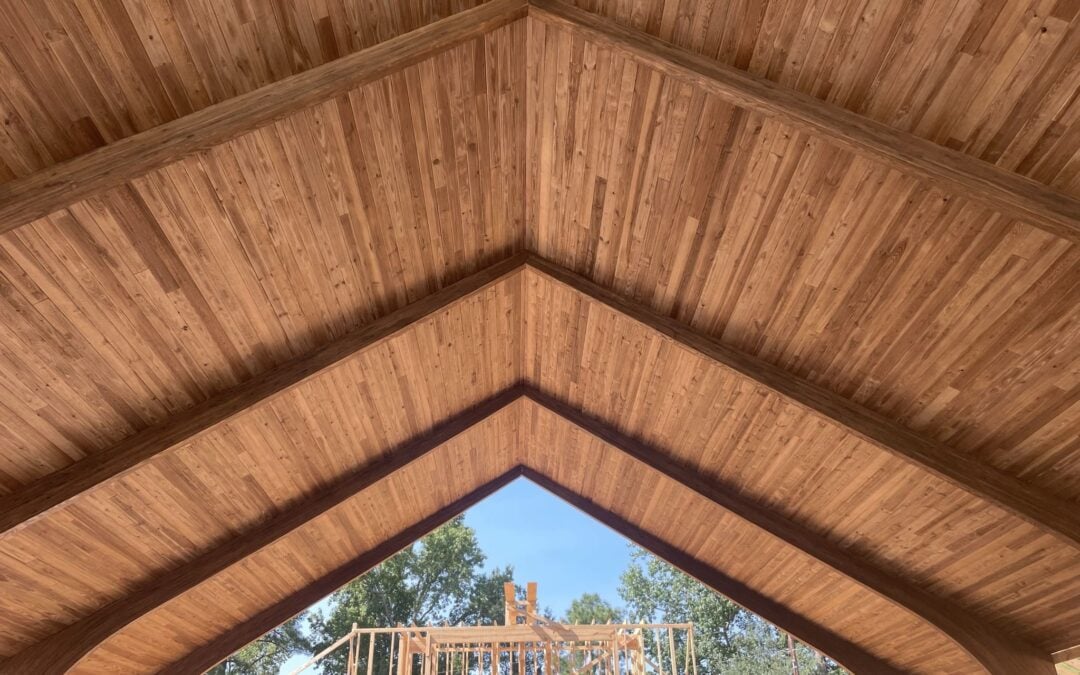
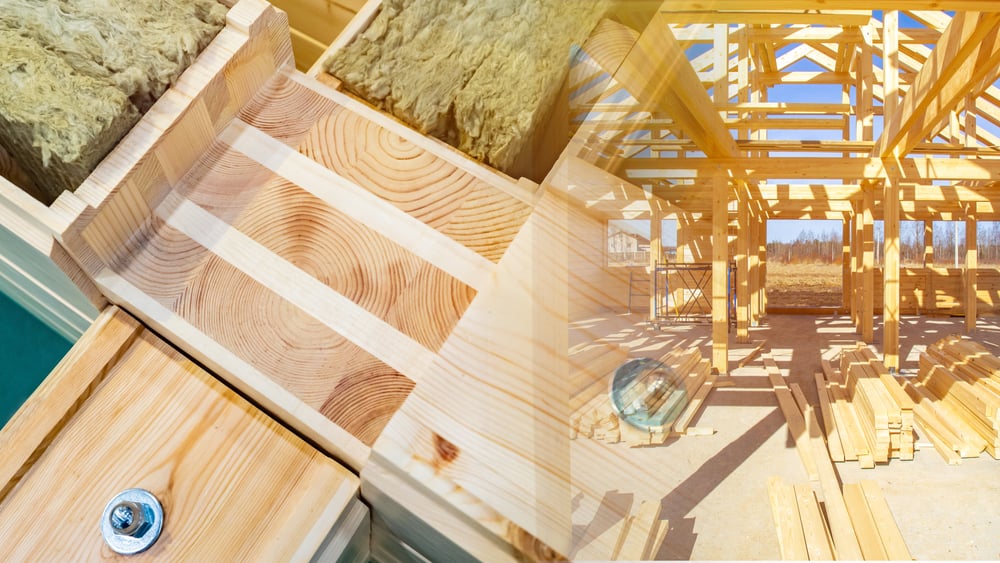
Looking for a building method that’s strong, stylish, and eco-friendly? Heavy timber construction is the answer. This approach uses massive wood beams that make a bold statement while creating durable, long-lasting structures. With heavy timber, you get wide-open spaces, long spans, and a natural look that’s hard to beat. Plus, it aligns with modern sustainability goals, giving you both beauty and responsibility in your design.
What Is Heavy Timber Construction?
Heavy timber construction uses large wooden beams as the main framework of a building. These timbers can be solid sawn or glue-laminated, depending on the project’s needs. Traditional joinery methods like mortise-and-tenon joints and wooden pegs are often part of the design, blending strength with craftsmanship.
Heavy timber also qualifies as a Class IV fire-rated construction type. Because thick wood beams char slowly rather than collapsing, they can hold their strength longer in a fire. This makes heavy timber not only beautiful but also a safe and reliable choice for a wide variety of buildings.
A Brief History of Heavy Timber
Heavy timber construction has been around for centuries, with roots in 10th-century Europe. By the 17th century, settlers brought the technique to the United States. Over time, the method evolved but stayed true to its original principles—using large wooden beams for structural support and architectural character.
Early Uses: Barns, Factories, and Industrial Buildings
In its early years, heavy timber played a key role in barns, mills, and factories. These large structures needed wide, open spaces and strong frameworks, which timber framing delivered with ease.
Modern Uses: Schools, Churches, and Commercial Buildings
Today, heavy timber is common in schools, churches, municipal buildings, and commercial spaces. It’s also making its way into residential properties, giving homes a rustic yet modern look with open layouts and visible wood beams.
Benefits of Heavy Timber Construction
Heavy timber isn’t just about looks—it offers real advantages for long-term performance and efficiency.
- Resiliency: Heavy timber buildings can last for generations
- Structural Integrity: Large timbers char instead of burning through, adding fire resistance
- Energy Efficiency: Structural insulated panels (SIPs) improve heating and cooling performance
- Sustainability: Responsibly sourced wood reduces environmental impact
- Project Efficiency: Fewer load-bearing walls speed up the building process
Design & Engineering Flexibility
Heavy timber gives you more freedom in design compared to other construction methods. The strength of large beams allows for open floor plans and long spans, making it perfect for modern layouts where flow and visibility matter.
This method also blends old and new. Traditional mortise-and-tenon joinery creates a timeless look, while metal plate connections provide modern reinforcement. The result is a building that feels both classic and cutting-edge.
Customization is another key benefit. Whether you’re planning a commercial property, a public building, or a private residence, heavy timber adapts to your vision. From large dining halls to cozy timber homes, every project highlights both structure and style.
Fabrication & Construction Process
Heavy timber construction combines precision with craftsmanship. The process starts with selecting timbers and cutting them either by hand or with advanced CNC machinery. After that, each piece is finished with stain or urethane to protect and highlight the wood’s natural beauty.
Once prepared, the structure is pre-assembled on the ground, lifted into place by cranes, and secured on-site. This process makes raising a heavy timber frame efficient while still showcasing the skill behind each connection.
| Stage | Details |
| Selecting & Cutting | Beams are chosen, cut by hand or CNC machinery |
| Finishing | Staining and urethane protect and highlight the wood |
| Assembly & Raising | Pre-assembled on the ground, lifted by crane, and secured in place |
Types of Heavy Timber Projects
Heavy timber works across many types of buildings. Its strength and flexibility make it a great choice for commercial, community, educational, municipal, and religious spaces.
| Category | Examples |
| Commercial | Grocery stores, rec centers, fire stations, police stations, hospitals, administration buildings, clubs, pavilions |
| Community | Family centers, community centers, historical sites, libraries, country clubs, wildlife refuges |
| Education | Dining halls, universities, recreational parks, high schools, middle schools, elementary schools, arenas, natatoriums |
| Municipality | City buildings, welcome centers, civic facilities, community centers, city halls |
| Religious | Churches, chapels, monasteries, academies |
Why Choose Heavy Timber for Your Project
Heavy timber combines style, strength, and sustainability in one package. It’s a practical yet beautiful choice for any project that needs long-term value and visual impact.
- Strong and durable for lasting performance
- Works for both large-scale and smaller projects
- Natural wood aesthetics with modern efficiency
Heavy Timber Construction for Lasting Impact
Heavy timber construction remains a popular choice due to its durability, aesthetic appeal, and eco-friendly benefits. It’s a building method that blends timeless craftsmanship with modern performance.
As mass timber experts serving the Southern U.S., we design and build with the highest standards of safety, sustainability, and style. From commercial buildings to residential spaces, the focus is on creating heavy timber structures that stand strong for generations.
Ready to bring your vision to life with heavy timber construction? Request information today to start planning your next project.