Many homeowners and contractors encounter situations where a glulam beam does not fit as expected during renovations or new construction. This often happens when layouts change, utilities are added, or older structures are adapted to modern designs. Industry data shows that glulam and other engineered wood members are widely used in new housing because of their strength, durability, and design flexibility.
Because these beams carry structural loads, modifying them without proper evaluation can compromise performance and safety. One adjustment sometimes considered is ripping a glulam beam to reduce its width. Ripping involves cutting along the length of the beam, which is very different from trimming the ends or allowing controlled notches. When done incorrectly, this type of modification can reduce load capacity and affect long-term reliability.
Industry organizations and beam manufacturers consistently caution against modifying engineered wood products without engineering approval. Unauthorized changes can reduce load ratings, violate building codes, and void manufacturer warranties. For this reason, glulam beam modifications are treated as structural decisions, not field adjustments.
Understanding when ripping may be allowed, the risks involved, and the alternatives available is essential. In many cases, a professional engineering review is needed to determine whether a beam can be modified safely or if another solution will perform better over time.
Key Takeaways
- Glulam beams are specially engineered to carry weight, so changes can weaken them
- Ripping a beam (cutting it lengthwise) is much riskier than trimming the ends or making small notches
- You should never rip a glulam beam without approval from a structural engineer
- Cutting a beam without approval can cause sagging, cracks, or safety issues over time
- Safer options usually exist, like adjusting framing or adding support instead of cutting the beam
What Makes a Glulam Beam Special
Glulam beams are engineered structural members, not simple pieces of wood joined together. Each layer is selected and placed so the grain runs in the same direction. This allows the beam to act as a single, high-strength unit. The result is consistent performance and better stability than solid lumber of the same size.
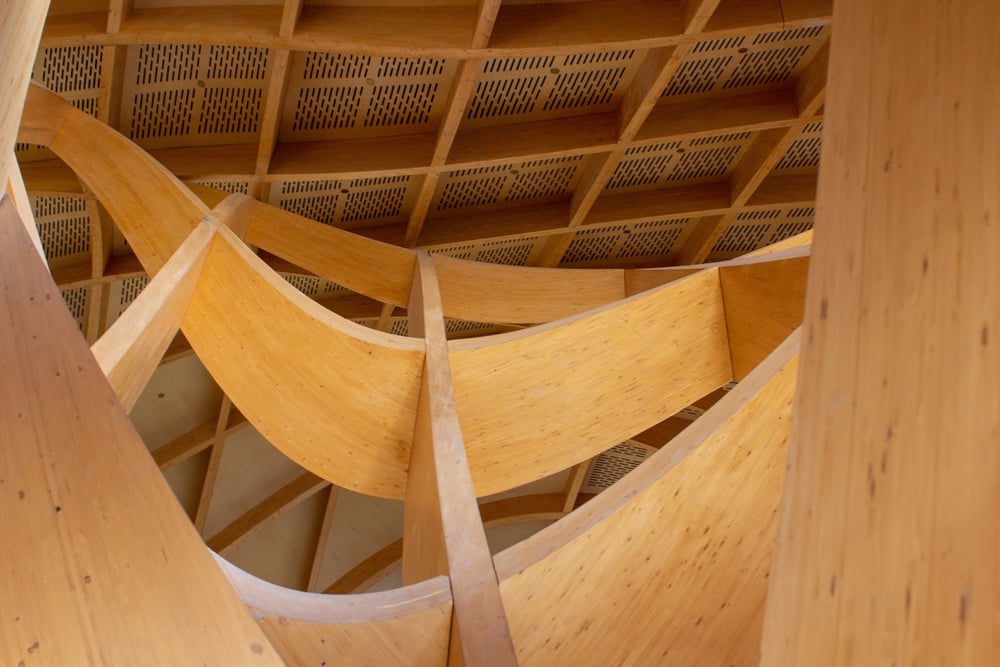
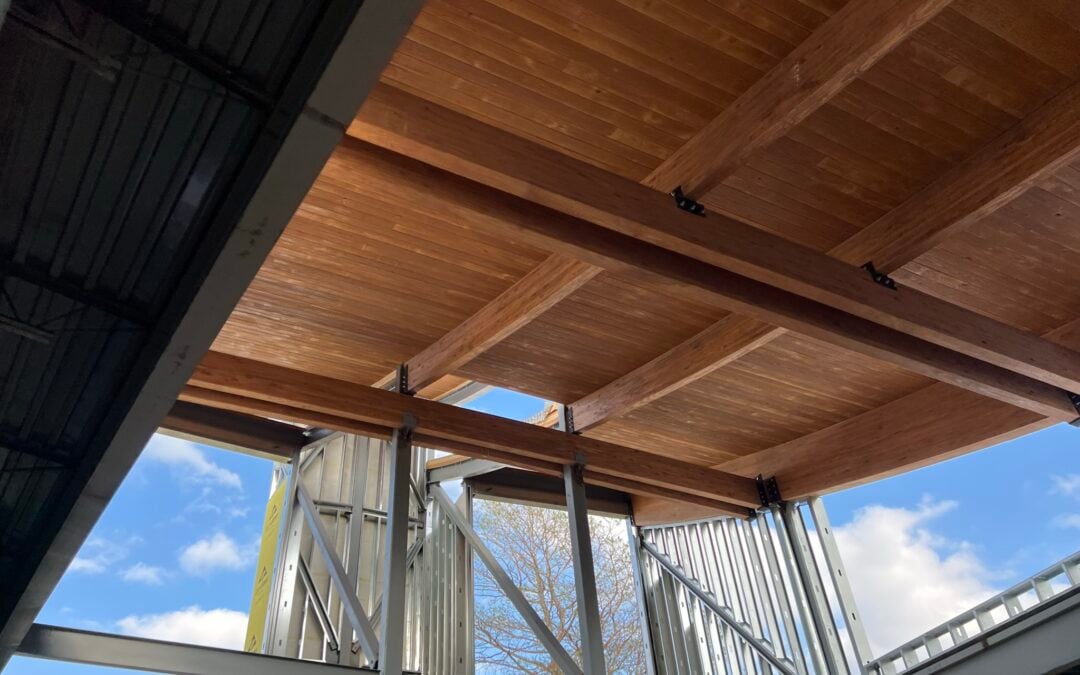
Because of this reliability, glulam beams are commonly used in open-concept homes, long roof spans, and exposed architectural ceilings where both strength and appearance matter. The strength of a glulam beam comes from its engineered makeup. Any change to its size or shape affects how loads move through the beam. Even small material removal can reduce its ability to carry weight safely.
Trimming or Notching vs Ripping
These terms are often used interchangeably, but they describe very different types of modifications. Each method affects a glulam beam in a specific way. The structural impact depends on where and how material is removed. Understanding these differences is critical before making any adjustments.
Trimming
Trimming involves cutting the ends of a beam to adjust its length. When done correctly and within manufacturer guidelines, trimming usually has minimal impact on structural performance. Cuts must be square and clean so the beam bears evenly on its supports. Poor cuts can create stress points or prevent proper load transfer.
Notching
Notching removes small sections of a beam, usually near supports, to allow space for plumbing or electrical systems. Building codes strictly limit notching because these areas experience high stress. Improper notching can weaken the beam and lead to cracking, deflection, or long-term sagging.
Ripping
Ripping reduces the width of a beam by cutting along its length. This changes the entire cross-section and directly affects load capacity. Ripping alters how forces move through the beam and can weaken the glue lines holding the layers together. These issues may not appear immediately, but can develop over time.
Manufacturers and building codes generally discourage ripping without professional approval. Even when modification is technically possible, a structural engineer must determine how much material can be removed safely. In many cases, safer options such as sistering, framing adjustments, or using a different engineered member are preferred.
Trimming and notching can often be done safely with planning and code compliance. Ripping is a structural modification that requires expert oversight.
When It’s Okay to Consider Ripping
Ripping a glulam beam should only be considered with approval from a structural engineer. The engineer reviews the beam design, the loads it carries, and how it interacts with surrounding framing. Calculations are used to confirm whether removing material will keep the beam within safe limits.
Engineers also evaluate the type of load involved. Roof loads behave differently than floor or ceiling loads. Long-term factors such as moisture exposure, temperature changes, and potential movement are also reviewed. For example, if a beam conflicts with ductwork or cabinetry, the engineer may approve a small, calculated reduction or recommend reinforcement instead.
Engineers typically assess
- How much material can be safely removed?
- Whether the beam can still support all required loads
- If reinforcement or a sister beam is needed
Without professional oversight, ripping can lead to sagging, cracking, or structural failure. Even small changes can create serious long-term problems.
Risks of Ripping
Ripping a glulam beam is not a minor change. Cutting along its length reduces load capacity and affects roofs, floors, or other supported elements. Glue lines can weaken, leading to cracks or splits that are not visible at first. Over time, temperature, moisture, and added weight can expose hidden weaknesses.
For example, a beam supporting an open living room ceiling may appear stable after modification but begin to sag months later. Other risks include:
- Reduced load capacity: Cutting the beam makes it narrower, which lowers the amount of weight it can safely support.
- Splitting or cracking: Lengthwise cuts can weaken glue bonds and cause internal separation.
- Long-term performance issues: Problems may appear well after construction is complete.
Because of these risks, alternatives should always be explored before removing material from a beam.
Alternatives to Ripping
In many construction projects, fit challenges involving glulam beams can often be solved without altering the beam itself. Keeping the original beam intact is usually the safest and most reliable option because it preserves the strength and performance the beam was designed to provide. For this reason, builders and engineers typically explore ways to work around the beam rather than modifying it, especially when the beam plays a key role in supporting loads.
One common approach is to reinforce the structure by adding a second beam alongside the original, allowing the load to be shared without changing the original dimensions. In other cases, smaller engineered members may be selected to fit into tighter areas while still meeting structural requirements. Another practical solution is to make adjustments to the surrounding framing so there is enough clearance for the beam to remain untouched. These methods help maintain the integrity of the structure and often make the inspection process smoother, since the original design intent is preserved and code compliance is easier to demonstrate.
Best Practices if Ripping Is Approved
In rare cases where ripping is approved by an engineer or manufacturer, the work must be handled with precision. The beam remains a critical structural element, and mistakes can affect long-term performance.
Best practices include:
- Supporting the beam before cutting
- Measuring carefully and cutting accurately
- Using professional tools for clean, straight cuts
- Completing the work under qualified supervision
Even with approval, careful execution is essential to maintain safety and durability. The beam continues to carry structural loads, so errors during the process can weaken its strength. Problems caused by improper work may not be immediately visible and can affect long-term performance years after construction is complete.
Ripping a Glulam Beam the Right Way
Ripping a glulam beam requires careful consideration, as even minor modifications can significantly impact its structural performance, safety, and long-term durability. Understanding manufacturer guidelines, building code requirements, and load implications helps reduce risk and prevent costly mistakes during construction or renovation.
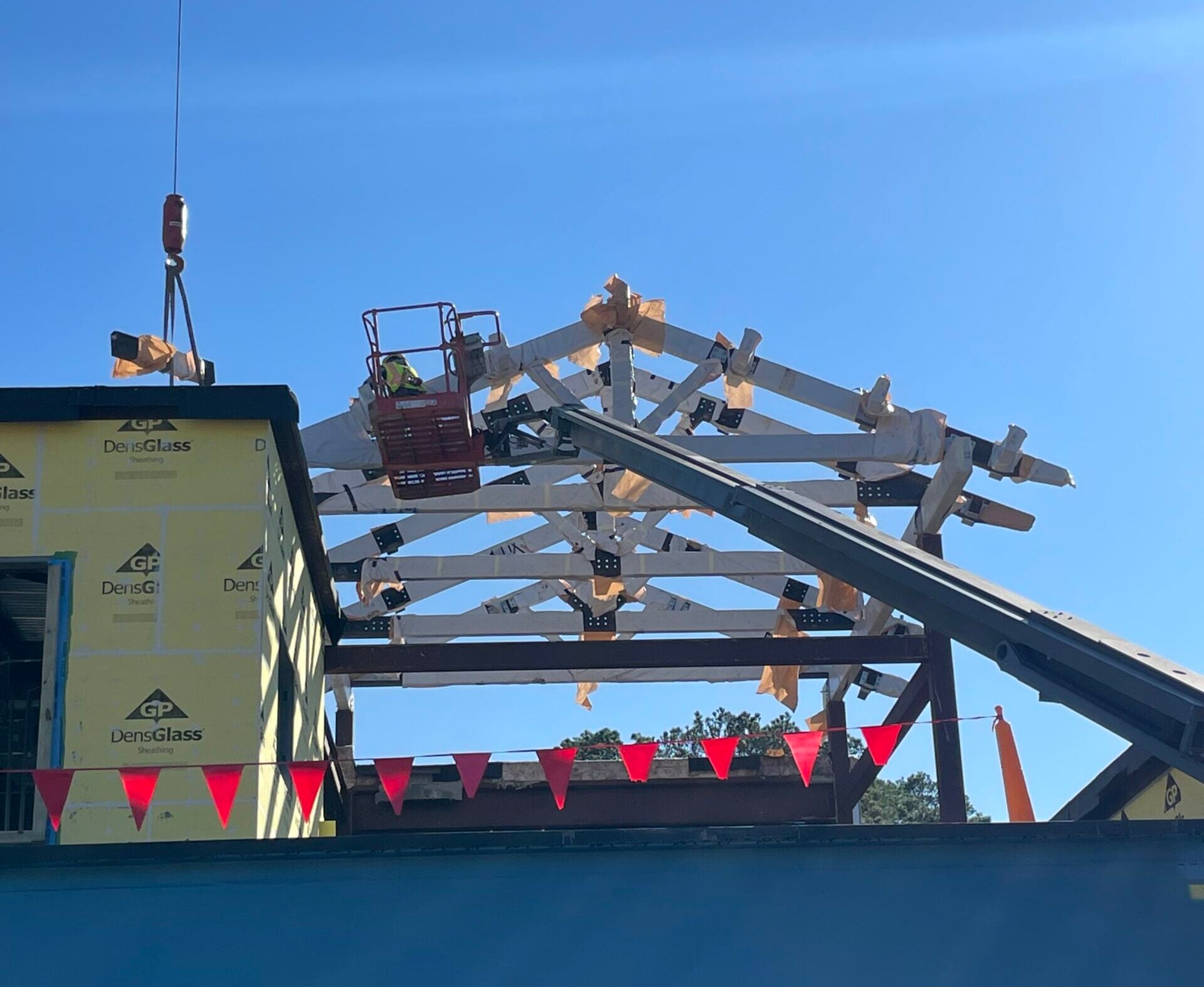
As a mass timber subcontractor, we help evaluate when adjustments to glulam beams are appropriate and when alternative solutions are safer. Our team works with engineers and builders to assess structural requirements, recommend compliant modifications, and ensure every beam continues to perform as designed.
Need guidance on modifying or installing glulam beams for your next project? Contact us today to discuss your requirements and ensure your structural decisions are safe, code-compliant, and built to last.