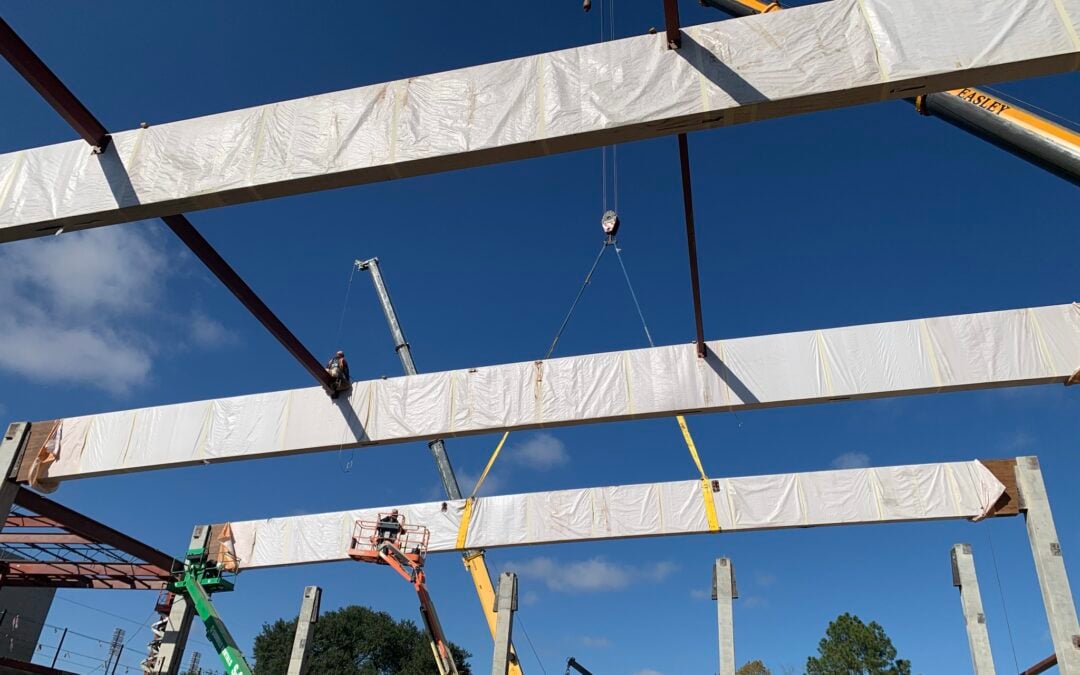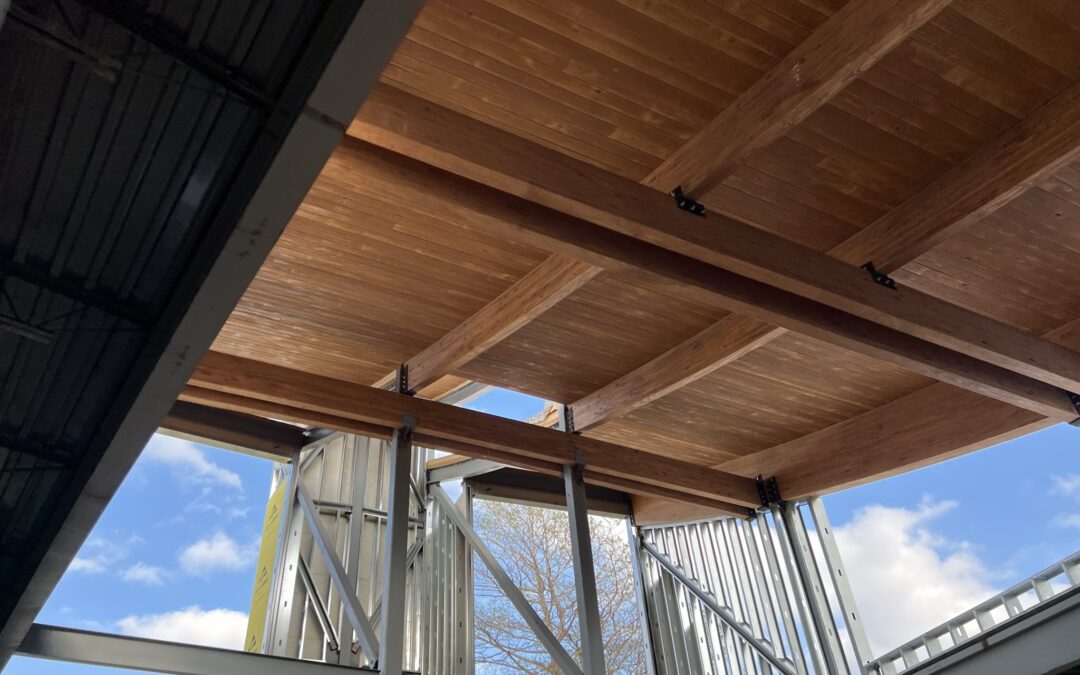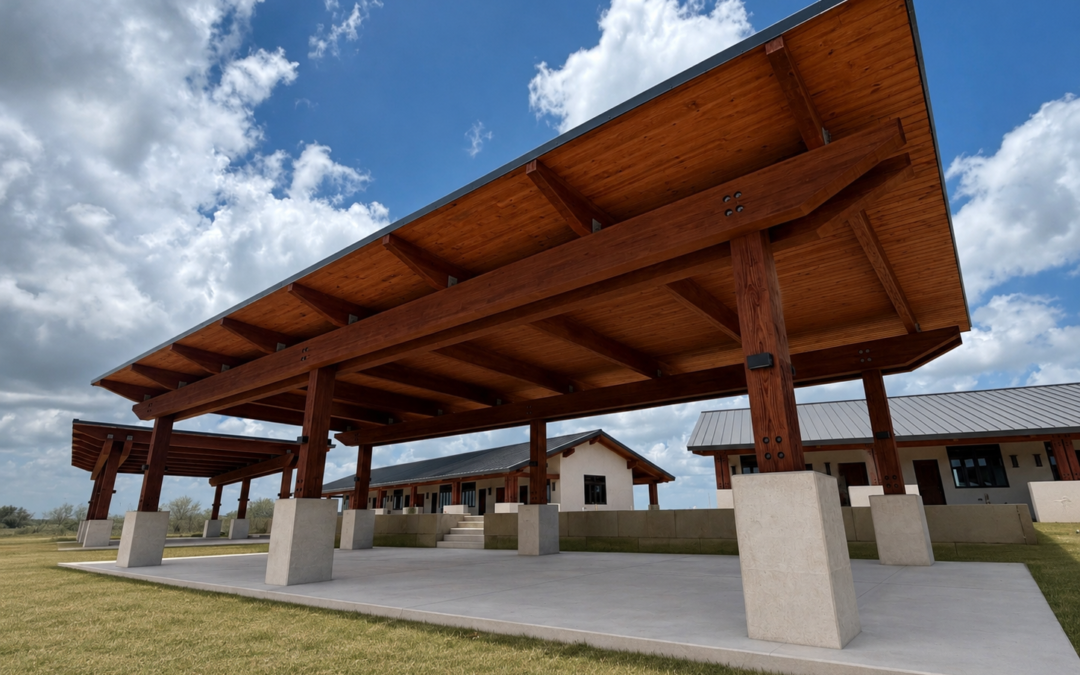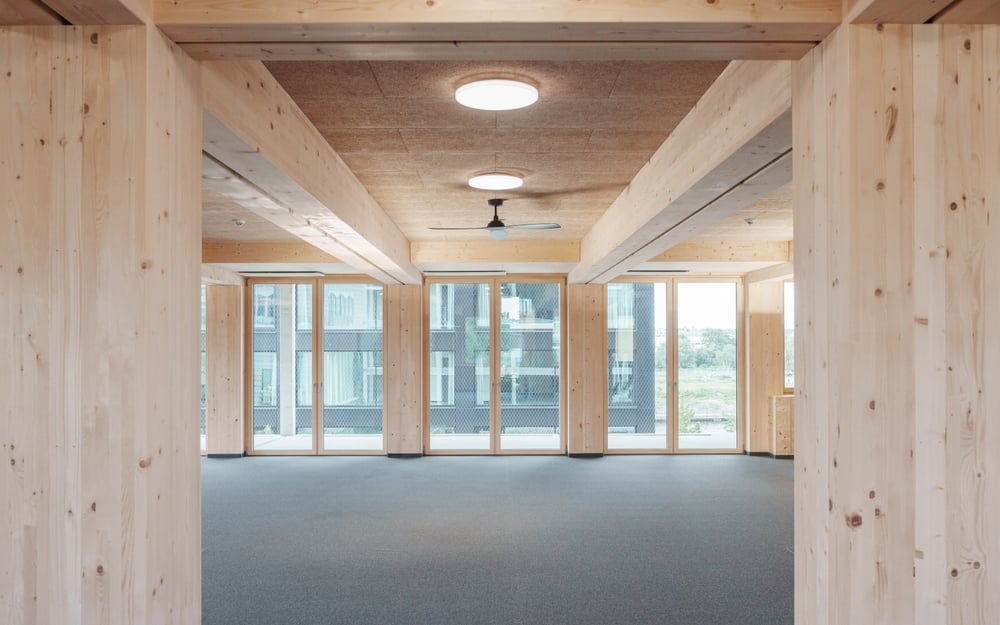
According to the United Nations Environment Programme (UNEP), the building and construction sector accounts for approximately 37% of global energy-related carbon dioxide emissions. As the industry focuses on reducing its environmental impact, timber has emerged as a lower-carbon alternative to traditional materials like concrete and steel. Because wood naturally stores carbon, timber buildings can provide significant sustainability benefits. Carbon accounting helps measure embodied carbon, carbon sequestration, and lifecycle emissions, giving project teams the data needed to make informed decisions and support long-term sustainability goals.
Key Takeaways
- Measures greenhouse gas emissions throughout a timber building’s lifecycle
- Timber stores carbon, helping reduce overall building emissions
- Embodied carbon analysis compares timber with traditional materials
- Supports sustainability reporting, compliance, and certifications
- Carbon accounting software improves tracking accuracy and efficiency
- Lifecycle assessments support smarter material and design decisions
Understanding Carbon Accounting in Timber Construction
Carbon accounting is the process of measuring, tracking, and reporting greenhouse gas emissions associated with a building project. In timber construction, carbon accounting evaluates emissions generated during material extraction, manufacturing, transportation, construction, operation, maintenance, and end-of-life disposal or reuse. Unlike conventional materials, timber introduces an additional consideration: carbon sequestration. Trees absorb carbon dioxide as they grow, storing carbon within their wood fibers. When timber is used in construction, a significant portion of that carbon remains stored throughout the life of the building.
Carbon accounting for timber buildings typically evaluates:
- Raw material harvesting
- Manufacturing and processing emissions
- Transportation impacts
- Construction activities
- Building operation emissions
- Maintenance and repair requirements
- End-of-life reuse, recycling, or disposal
- Carbon storage and sequestration benefits
Accurate carbon accounting allows project teams to identify opportunities for emissions reduction while supporting environmental goals and sustainability certifications. It also provides measurable data that helps stakeholders evaluate the long-term environmental performance of timber construction projects. By tracking embodied and operational carbon throughout a building’s lifecycle, organizations can make more informed decisions about material selection, design strategies, and overall project sustainability.
Embodied Carbon in Timber Buildings
Embodied carbon refers to greenhouse gas emissions associated with the production, transportation, installation, maintenance, and disposal of building materials. As operational emissions decrease through energy-efficient building systems, embodied carbon has become an increasingly important consideration. Understanding and measuring embodied carbon enables project teams to identify high-impact materials and implement strategies that reduce a building’s overall environmental footprint.
Embodied Carbon Comparison of Common Building Materials
| Building Material | Relative Embodied Carbon | Carbon Storage Potential |
| Concrete | High | None |
| Structural Steel | Very High | None |
| Masonry | Moderate to High | None |
| Mass Timber | Low | Significant |
| Engineered Wood Products | Low | Significant |
Timber often demonstrates lower embodied carbon than traditional structural materials because manufacturing processes generally require less energy. Additionally, timber products can provide long-term carbon storage, helping offset a portion of project emissions. However, responsible carbon accounting must consider factors such as transportation distances, forest management practices, manufacturing methods, and end-of-life scenarios to accurately evaluate environmental performance.
The Environmental Impact of Timber Buildings
Timber buildings can contribute to sustainability goals in several important ways. Sustainably sourced wood products require less energy to manufacture than many conventional construction materials and can reduce overall project emissions. As the use of mass timber continues to grow, understanding applicable building codes, regulations, and compliance requirements is essential for successful project planning and execution.
Key environmental benefits include:
- Lower embodied carbon compared to steel and concrete
- Long-term carbon storage within structural components
- Renewable material sourcing when forests are responsibly managed
- Reduced construction waste through prefabrication methods
- Support for sustainable forestry and biodiversity management
- Compatibility with circular economy principles
Long-lasting timber structures can maximize carbon storage benefits by keeping carbon locked within the building for extended periods. The longer a timber building remains in service, the greater its potential contribution to long-term carbon reduction goals. Proper design, maintenance, and durability planning help preserve these environmental benefits throughout the building’s lifecycle.
Why Carbon Accounting Is Important for Timber Buildings
Carbon accounting provides measurable data that supports informed decision-making throughout the construction process. Without accurate calculations, project teams may overestimate or underestimate the environmental benefits of timber construction. Reliable carbon assessments help ensure that sustainability goals are based on verified data rather than assumptions, improving transparency and accountability across the project lifecycle.
Benefits of carbon accounting include:
- Quantifying embodied carbon reductions
- Measuring carbon sequestration performance
- Supporting environmental certification programs
- Improving sustainability reporting accuracy
- Identifying opportunities for emissions reduction
- Assisting regulatory compliance efforts
- Supporting investor and stakeholder transparency
As sustainability requirements become more stringent, carbon accounting is increasingly becoming a standard practice for responsible construction projects. It helps organizations demonstrate transparency, meet reporting requirements, and support broader environmental, social, and governance (ESG) objectives. Additionally, comprehensive carbon accounting can strengthen stakeholder confidence by providing clear evidence of a project’s commitment to sustainable building practices.
The Role of Carbon Accounting Software
Modern carbon accounting software helps organizations collect, analyze, and report emissions data more efficiently. These tools streamline complex calculations, improve reporting consistency, and provide greater visibility into a project’s environmental impact. By automating data collection and emissions tracking, carbon accounting software helps organizations make informed sustainability decisions while supporting compliance and reporting requirements.
Common software capabilities include:
- Lifecycle assessment modeling
- Embodied carbon calculations
- Emissions tracking and reporting
- Material database integration
- Regulatory compliance support
- Sustainability performance benchmarking
By automating data collection and analysis, carbon accounting software helps reduce reporting errors while providing more reliable environmental performance data. This allows project teams to track sustainability progress more accurately and identify opportunities to reduce emissions throughout the building lifecycle. The ability to generate consistent, data-driven insights also supports compliance with reporting frameworks and simplifies communication with stakeholders and regulatory bodies.
Future Trends in Carbon Accounting for Timber Buildings
Carbon accounting continues to evolve as sustainability expectations increase and technology advances. Several emerging trends are shaping the future of timber construction and environmental reporting. As reporting standards become more sophisticated, project teams will have access to more accurate data to support sustainability goals and improve decision-making. These advancements are helping organizations better understand why mass timber is considered a sustainable building solution and how it can contribute to long-term carbon reduction efforts.
These trends include:
- Greater standardization of carbon accounting methodologies
- Enhanced lifecycle assessment tools
- Increased transparency in sustainability reporting
- Real-time environmental performance monitoring
- Expanded use of digital twins and smart building technology
- Improved carbon sequestration modeling
- Stronger international collaboration on reporting frameworks
As these advancements continue, project teams will gain access to more accurate and consistent carbon data. This improved visibility can help support better decision-making throughout the design, construction, and operational phases of a project. More reliable reporting methods will also strengthen sustainability assessments and regulatory compliance efforts. As a result, organizations will be better equipped to measure environmental performance and support long-term climate action goals.
How Businesses Can Use Carbon Accounting to Support Climate Goals
Organizations can use carbon accounting data to establish measurable sustainability objectives and evaluate progress over time. By understanding where emissions occur throughout a building lifecycle, businesses can identify practical opportunities for reduction. This enables more strategic planning and continuous improvement, ensuring that sustainability targets are not only set but also effectively achieved through evidence-based decisions.
Strategies include:
- Selecting lower-carbon building materials
- Prioritizing sustainably sourced timber products
- Improving supply chain efficiency
- Reducing transportation-related emissions
- Incorporating circular economy principles
- Supporting carbon reduction and offset initiatives
- Enhancing sustainability reporting transparency
Accurate carbon accounting helps organizations align construction decisions with broader environmental, social, and governance (ESG) objectives. It also demonstrates accountability and transparency to investors, clients, and other stakeholders. By providing measurable environmental data, carbon accounting supports more informed planning and sustainability reporting efforts.
Carbon Accounting for Timber Buildings Supports Smarter Sustainable Construction
Carbon accounting for timber buildings helps project teams evaluate embodied carbon, carbon sequestration benefits, lifecycle emissions, and long-term environmental performance. By providing measurable insights into a building’s environmental impact, carbon accounting supports more informed decisions related to sustainability, material selection, regulatory compliance, and climate action goals. As demand for low-carbon construction continues to grow, accurate carbon accounting is becoming an essential component of responsible building design and development.
As a mass timber construction specialist, Binkley Construction understands the importance of evaluating environmental performance throughout the building lifecycle. The team works closely with project stakeholders to support efficient construction practices, sustainable material strategies, and project goals focused on long-term performance. This collaborative approach helps ensure that mass timber projects are delivered with durability, efficiency, and environmental responsibility in mind.
Planning a mass timber project? Contact us to learn how our construction expertise can support efficient project execution, sustainability objectives, and successful long-term mass timber building performance.