According to the United Nations Environment Programme (UNEP), buildings accounted for 34% of global energy demand and 37% of energy- and process-related CO₂ emissions worldwide. As the construction industry works to reduce its environmental impact, interest in lower-carbon building materials continues to grow. Mass timber has emerged as a sustainable alternative that combines strength, design flexibility, and resource efficiency.
However, evaluating its true benefits requires looking beyond the construction phase. Mass timber lifecycle modeling helps assess a building’s environmental impact, durability, maintenance requirements, and end-of-life outcomes, providing a complete picture of long-term performance. By examining each stage of a building’s lifecycle, stakeholders can make more informed decisions that support sustainability and long-term value. This article explores mass timber lifecycle modeling, its environmental benefits, challenges, and its growing role in sustainable construction.
Key Takeaways
- Mass timber offers a sustainable alternative to traditional materials such as concrete and steel
- Lifecycle modeling evaluates building performance from material sourcing through end-of-life management
- Lifecycle assessments support informed design, construction, and maintenance decisions
- Mass timber can reduce embodied carbon while storing carbon throughout a building’s lifespan
- Lifecycle modeling is becoming an important tool for supporting low-carbon construction and long-term project success
Understanding Mass Timber in Modern Construction
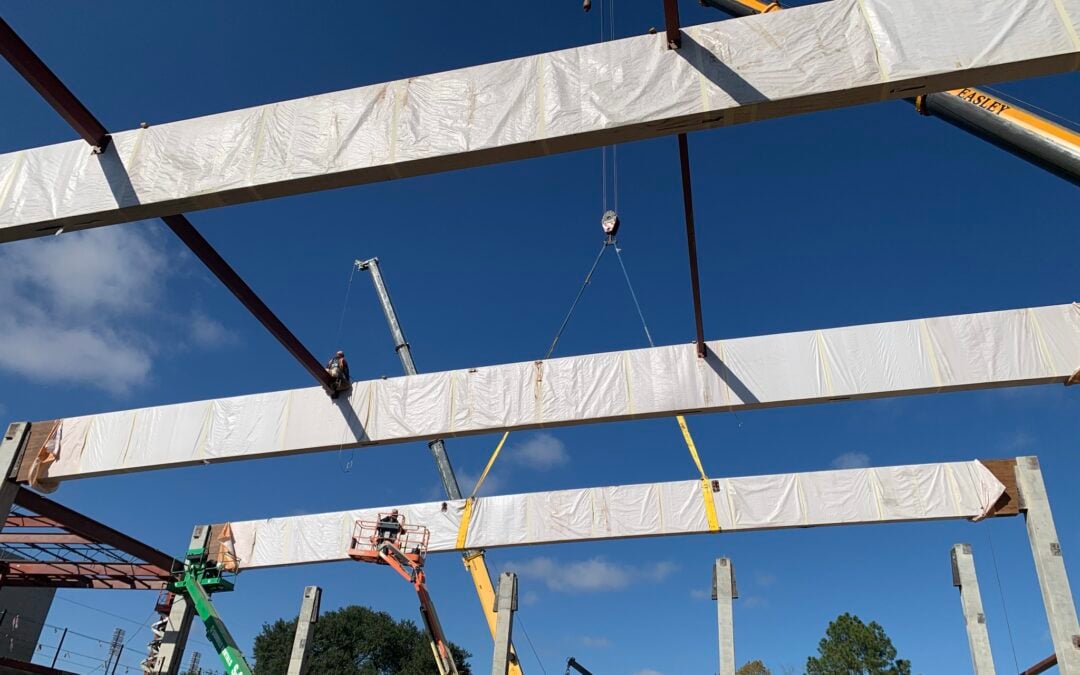
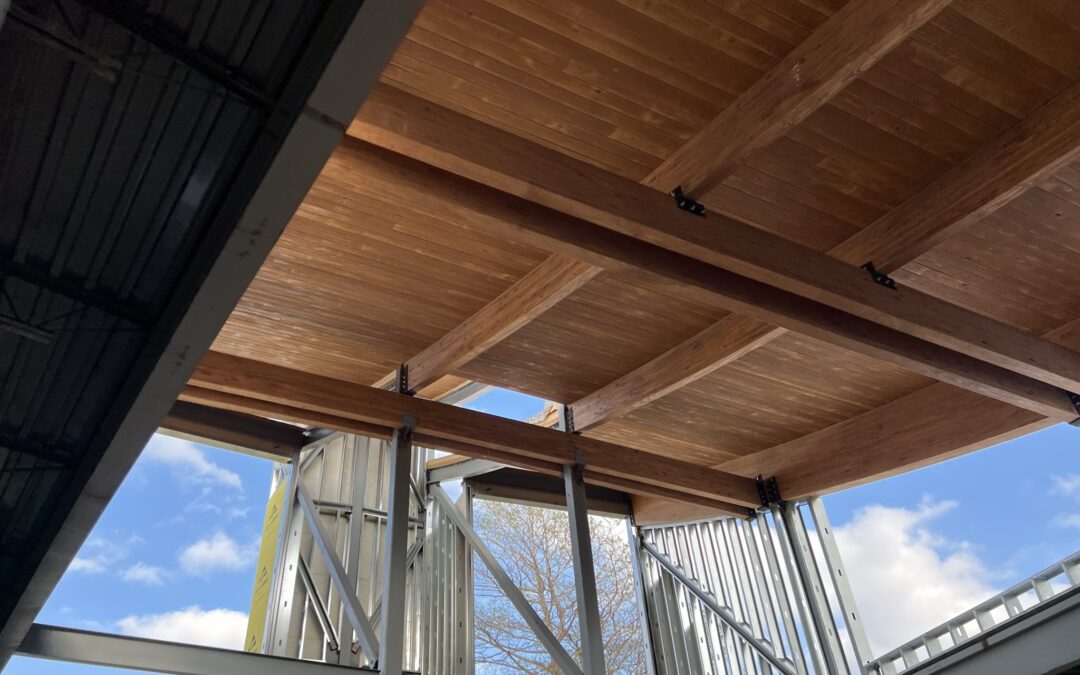
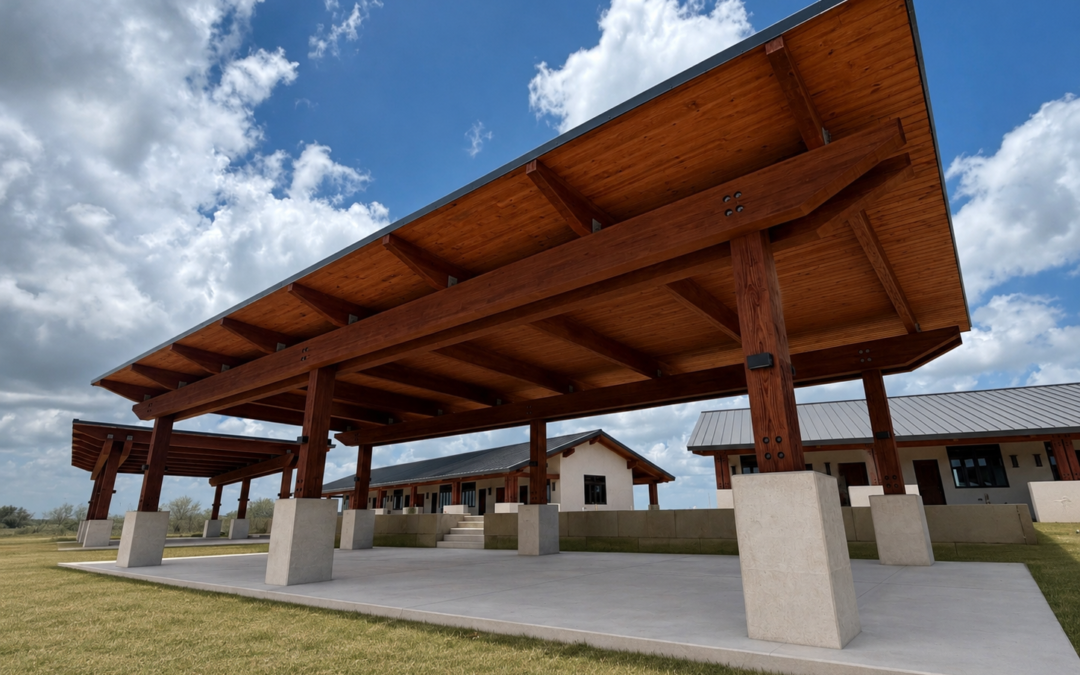
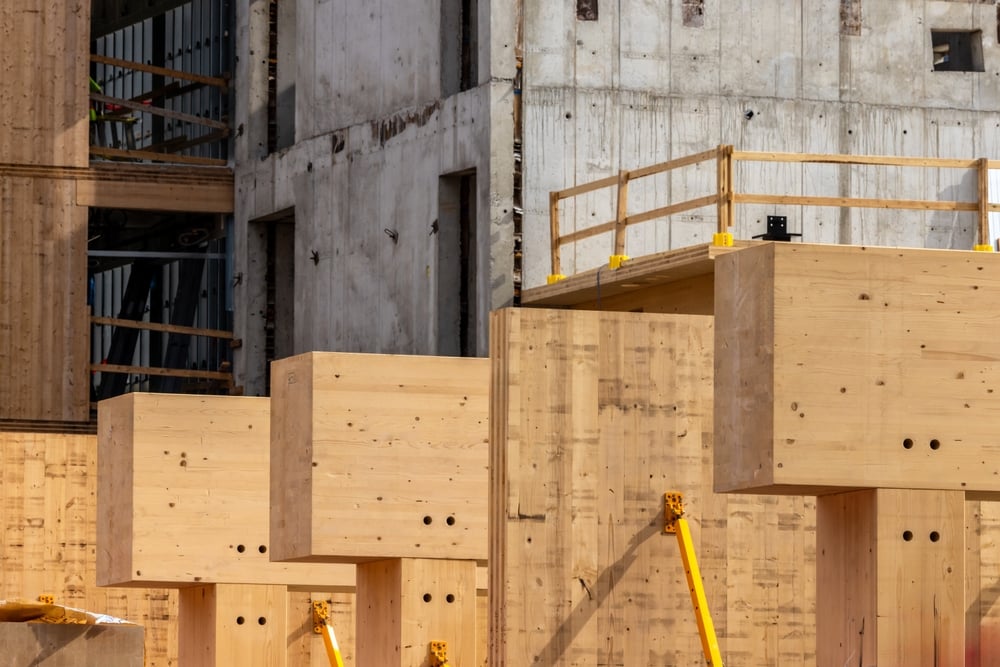
Mass timber has become increasingly popular as the construction industry seeks more sustainable building solutions. It offers a combination of strength, efficiency, and environmental benefits that make it suitable for a wide range of projects. From commercial buildings to schools and residential developments, mass timber is being used in structures of various sizes and purposes. Successful outcomes often begin with careful preconstruction planning that addresses design coordination, fabrication requirements, and installation logistics. Mass timber refers to a family of engineered wood products designed for structural applications. Common examples include:
- Cross-laminated timber (CLT)
- Glue-laminated timber (Glulam)
- Nail-laminated timber (NLT)
- Dowel-laminated timber (DLT)
- Laminated veneer lumber (LVL)
These products are manufactured by combining layers of wood to create strong structural components. Compared to traditional materials, mass timber is lighter, easier to transport, and faster to install due to prefabrication, helping improve construction efficiency. It also offers natural aesthetic appeal and, when sourced from responsibly managed forests, serves as a renewable material that supports sustainability goals and reduces environmental impact.
What Is Mass Timber Lifecycle Modeling?
Mass timber lifecycle modeling is the process of evaluating a building’s environmental and structural performance throughout its entire lifespan. Instead of focusing only on construction, lifecycle modeling examines every stage of a building’s journey. This approach provides a complete understanding of costs, resource use, emissions, maintenance needs, and end-of-life outcomes.
A typical lifecycle assessment includes:
- Forest management and timber harvesting
- Manufacturing and material processing
- Transportation to the construction site
- Building construction and installation
- Building operation and maintenance
- Repair and replacement activities
- Demolition, recycling, or material reuse
By studying each stage, project teams can identify opportunities to improve sustainability and reduce long-term environmental impacts. It also helps stakeholders compare design options and select materials that align with project goals. This data-driven approach supports better decision-making throughout the building lifecycle.
Lifecycle Stages of a Mass Timber Building
The lifecycle of a mass timber structure can be divided into several key phases. Each phase contributes to the building’s overall environmental footprint and long-term performance. Understanding these stages helps project teams identify opportunities to improve efficiency, reduce emissions, and extend building life.
| Lifecycle Stage | Primary Activities |
| Raw Material Sourcing | Forest management, harvesting, transportation |
| Manufacturing | Processing timber into engineered wood products |
| Construction | Prefabrication, delivery, installation |
| Building Operation | Energy use, maintenance, repairs |
| Renovation | Component replacement and upgrades |
| End of Life | Reuse, recycling, recovery, or disposal |
Understanding these stages helps project teams evaluate how decisions made during design, fabrication, and construction may affect long-term building performance. It also highlights opportunities to improve material efficiency, reduce waste, and support more durable building outcomes. This holistic perspective helps balance sustainability objectives with practical construction and operational considerations.
Why Lifecycle Modeling Matters
Lifecycle modeling provides valuable insights that support better construction decisions. It helps stakeholders understand the long-term effects of material choices, design strategies, and maintenance requirements. By evaluating performance over time, teams can reduce risks and create more sustainable, cost-effective buildings.
Improves Long-Term Planning
Lifecycle models help project teams estimate how a building will perform over several decades. This information supports budgeting, maintenance planning, and risk management. It also enables stakeholders to anticipate future repair or replacement needs and allocate resources more effectively. These insights can also help teams coordinate future upgrades, anticipate repair requirements, and manage lifecycle costs more effectively.
Supports Sustainable Design
Lifecycle assessments identify opportunities to reduce carbon emissions and resource consumption. Designers can compare materials and construction methods to find the most sustainable option. This approach helps create buildings that balance environmental responsibility with long-term performance goals. Early evaluation of design alternatives helps balance sustainability objectives with construction feasibility and long-term operational performance.
Enhances Building Performance
By evaluating different design scenarios, project teams can optimize durability, energy efficiency, and structural performance. This allows stakeholders to identify solutions that deliver the best long-term value. It also helps reduce potential performance issues and improve overall building resilience. This approach supports resilient building designs and helps reduce the likelihood of costly performance issues over time.
Supports Compliance and Certification
Many green building programs require lifecycle assessments. Lifecycle modeling can help projects meet sustainability requirements and demonstrate environmental responsibility. It also provides documented data that can support certification applications and regulatory compliance efforts.
Environmental Impact of Mass Timber
One of the biggest advantages of mass timber is its environmental performance. Unlike steel and concrete, timber stores carbon absorbed during tree growth. This stored carbon remains within the building for decades, helping reduce atmospheric carbon dioxide levels. Mass timber also requires less energy to manufacture compared to many conventional building materials.
Why Mass Timber Has a Lower Environmental Impact
Mass timber can improve sustainability in several ways. Its renewable nature and carbon storage capabilities make it a strong alternative to more carbon-intensive building materials. When sourced responsibly, mass timber can support both environmental goals and long-term resource sustainability. Mass timber can improve sustainability in several ways:
- Trees absorb carbon dioxide during growth.
- Carbon remains stored within timber products.
- Manufacturing generally requires less energy.
- Prefabrication reduces material waste.
- Lightweight materials lower transportation impacts.
- Sustainable forestry practices support resource renewal.
- Timber products can often be reused or recycled.
These benefits contribute to lower lifecycle emissions and improved environmental outcomes. They also help project teams meet sustainability targets and reduce the overall carbon footprint of a building. As a result, mass timber is becoming an increasingly attractive option for environmentally conscious construction projects.
Mass Timber vs Traditional Building Materials
The environmental advantages of mass timber become clearer when compared with conventional materials. While concrete and steel remain widely used, they typically require more energy-intensive manufacturing processes. Comparing these materials helps stakeholders better understand the sustainability and performance benefits that mass timber can offer.
| Feature | Mass Timber | Concrete | Steel |
| Renewable Resource | Yes | No | No |
| Carbon Storage | Yes | No | No |
| Embodied Carbon | Low | High | High |
| Construction Speed | Fast | Moderate | Moderate |
| Prefabrication Potential | High | Moderate | High |
| End-of-Life Reuse Potential | High | Low | Moderate |
| Weight | Lightweight | Heavy | Heavy |
These characteristics make mass timber an attractive option for projects seeking both environmental and construction advantages. Faster installation, reduced material weight, and prefabrication opportunities can improve project efficiency while supporting sustainability goals. As more project teams pursue low-carbon building strategies, mass timber continues to gain recognition as a practical and high-performing construction solution.
Long-Term Durability and Performance
Durability is a critical factor in lifecycle modeling. Modern mass timber products are engineered to provide long-term structural performance. When properly designed and maintained, mass timber buildings can achieve service lives comparable to traditional structures. Several factors influence long-term performance:
Moisture Management
Protecting timber from excessive moisture is essential. Effective building envelopes and drainage systems help prevent water-related damage. As with any mass timber project, moisture management should be considered early in the design process to support long-term performance and durability. Regular inspections, maintenance, proper detailing, material protection, and construction sequencing can further reduce the risk of moisture-related issues throughout a building’s lifespan.
Fire Performance
Mass timber performs differently from light-frame wood construction. Large timber elements develop a protective char layer during fire exposure, which can help maintain structural integrity. This predictable behavior allows designers and engineers to incorporate fire safety considerations into building designs more effectively.
Structural Stability
Engineered timber products are designed to provide predictable and reliable performance under various loading conditions. Their manufacturing process helps improve strength, consistency, and dimensional stability compared to traditional lumber. This reliability supports safe construction and long-term building performance across a variety of applications. Proper fabrication, connection detailing, and installation practices also contribute to achieving the expected structural performance of mass timber systems.
Maintenance Requirements
Regular inspections and maintenance help preserve building performance and extend service life. Lifecycle modeling helps project teams evaluate maintenance needs throughout a building’s lifespan. These insights can support strategies that improve long-term durability while reducing future repair costs.
Challenges in Mass Timber Lifecycle Assessment
While lifecycle modeling provides valuable insights, several challenges can affect assessment accuracy. Long-term performance data for some mass timber applications is still limited, and regional differences in forestry practices, manufacturing processes, and transportation distances can influence sustainability results. In addition, varying lifecycle assessment methodologies may produce different outcomes, making comparisons more difficult.
Building codes and regulations are also evolving as mass timber adoption grows, which can impact project planning and approvals. Despite these challenges, ongoing research, improved data collection, and standardized assessment methods are helping increase the accuracy and reliability of mass timber lifecycle assessments. Addressing these challenges often requires close collaboration between designers, engineers, manufacturers, and construction teams throughout the project lifecycle.
Key Benefits of Mass Timber in Sustainable Building Practices
Mass timber supports a wide range of sustainability, performance, and efficiency goals, making it an attractive option for modern construction projects. Its combination of structural strength and environmental benefits has contributed to its growing popularity across the building industry. From reducing carbon emissions to improving construction efficiency, mass timber offers several advantages throughout a building’s lifecycle.
- Reduced embodied carbon: Produces fewer manufacturing emissions than concrete and steel.
- Faster construction: Prefabricated components speed up installation and improve project efficiency.
- Improved resource efficiency: Maximizes the use of harvested wood while reducing material waste.
- Better indoor environments: Natural wood finishes create warm and visually appealing spaces.
- Renewable material source: Responsibly managed forests provide a sustainable supply of timber.
- Carbon storage: Stores carbon throughout a building’s lifespan, helping reduce overall emissions.
These advantages help reduce environmental impacts while supporting long-term sustainability goals. They also improve resource efficiency and contribute to lower-carbon construction practices. As demand for greener building solutions grows, mass timber continues to gain popularity in sustainable development projects worldwide.
The Future of Mass Timber Lifecycle Modeling
As sustainability expectations continue to grow, lifecycle modeling will play an increasingly important role in building design and construction. Advances in digital tools and environmental data collection are improving assessment accuracy. Building performance monitoring is also helping stakeholders better understand long-term outcomes.
Future developments are expected to include improved carbon accounting methods and enhanced material recovery strategies. Greater integration with Building Information Modeling (BIM) may further strengthen lifecycle assessments. These advancements will help project teams make smarter decisions throughout a building’s lifecycle.
Mass Timber Lifecycle Modeling for Long-Term Performance
Mass timber lifecycle modeling helps project teams evaluate environmental impacts, structural performance, durability, and end-of-life outcomes across the entire building lifecycle. By providing a comprehensive view of long-term performance, it supports more informed decisions related to sustainability, resource efficiency, and building design. As mass timber adoption continues to grow, lifecycle modeling is becoming an essential tool for optimizing project outcomes.
As a mass timber construction specialist, Binkley Construction understands the importance of evaluating building performance beyond the construction phase. The team works closely with project stakeholders to support efficient construction practices that align with sustainability goals and long-term building requirements. This collaborative approach helps ensure that mass timber projects are delivered with durability, performance, and environmental responsibility in mind.
Planning a mass timber project? Contact us to learn how our construction expertise can support efficient project execution, long-term building performance, and successful mass timber construction outcomes.