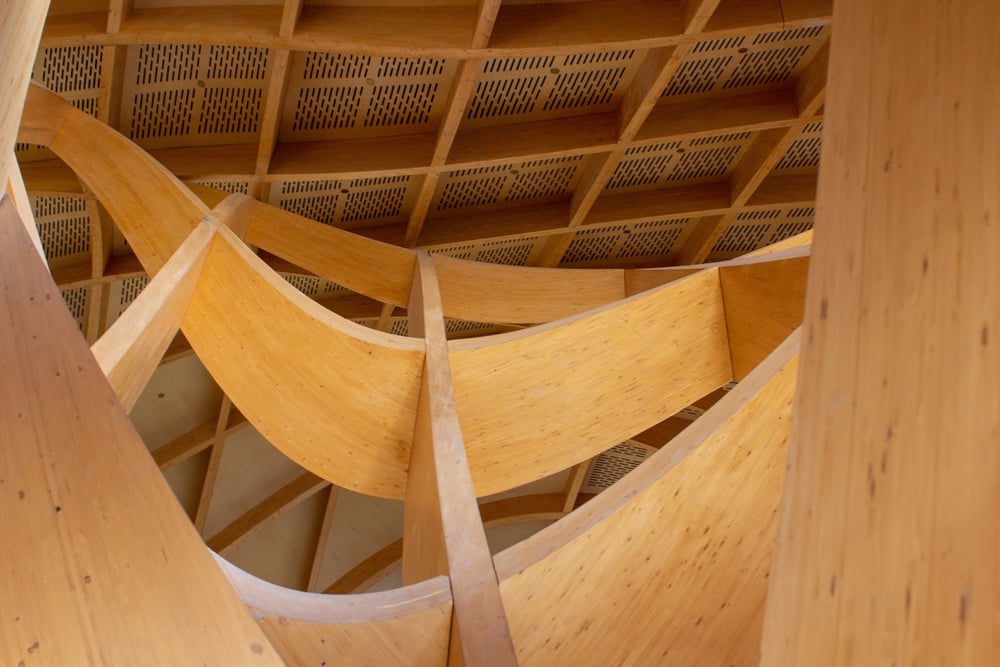
Interior glulam beams do more than hold up a building. They add strength, style, and flexibility to big public and commercial spaces. Schools, churches, and city buildings often use glulam beam interior design to make rooms strong and beautiful. These beams can hold heavy loads and stretch across long spaces without needing extra supports. They’re also used in homes, but they really stand out in large buildings that need both durability and good design.
What Makes Glulam Beams Ideal for Large-Scale Projects
Glued laminated timber, or glulam, is made by bonding layers of wood together under pressure. This process creates a beam that’s stronger than a solid wood beam of the same size.
Glulam beams offer several benefits:
- Moisture-resistant for long-term durability
- Supports heavy loads without warping or sagging
- Can span long distances, reducing the need for extra columns
Compared to steel or concrete, engineered wood products are lighter and easier to work with. They’re also more cost-effective and environmentally friendly. They provide strength without sacrificing design freedom.
| Feature | Benefit |
| Moisture resistant | Performs well in humid or high-traffic spaces |
| Heavy load capacity | Supports large spans and structural demands |
| Design flexibility | Can be shaped, stained, or finished for aesthetic appeal |
| Sustainable | Made from renewable timber sources |
| Cost-effective | Faster installation and lower labor needs |
Design Applications Across Industries
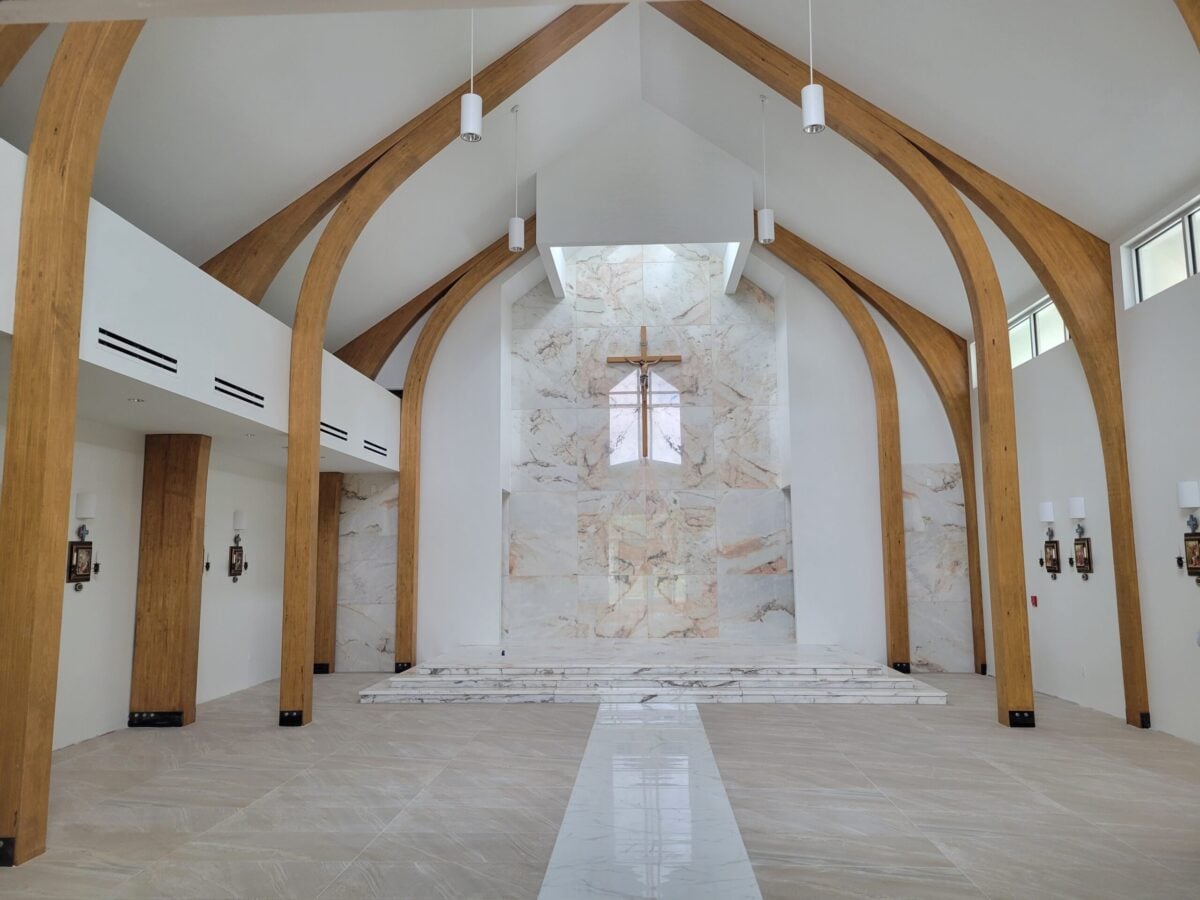
Glulam beam interior design helps turn large buildings into open and welcoming spaces. In schools, glulam beams make gyms and cafeterias feel bigger and brighter. Churches and worship halls benefit from their long spans, creating wide spaces that feel grand but still warm. Community centers and city buildings also gain strength and style without losing function.
Laminated timbers like glulam are very flexible in design. They can be left exposed for a natural wood look or painted to fit a modern style. Finishes such as Douglas fir show off the wood grain and add beauty to large rooms.
While glulam is often used in public and commercial buildings, it can also look great in homes. Exposed ceilings, wood beams, and headers add the same strength and charm on a smaller scale.

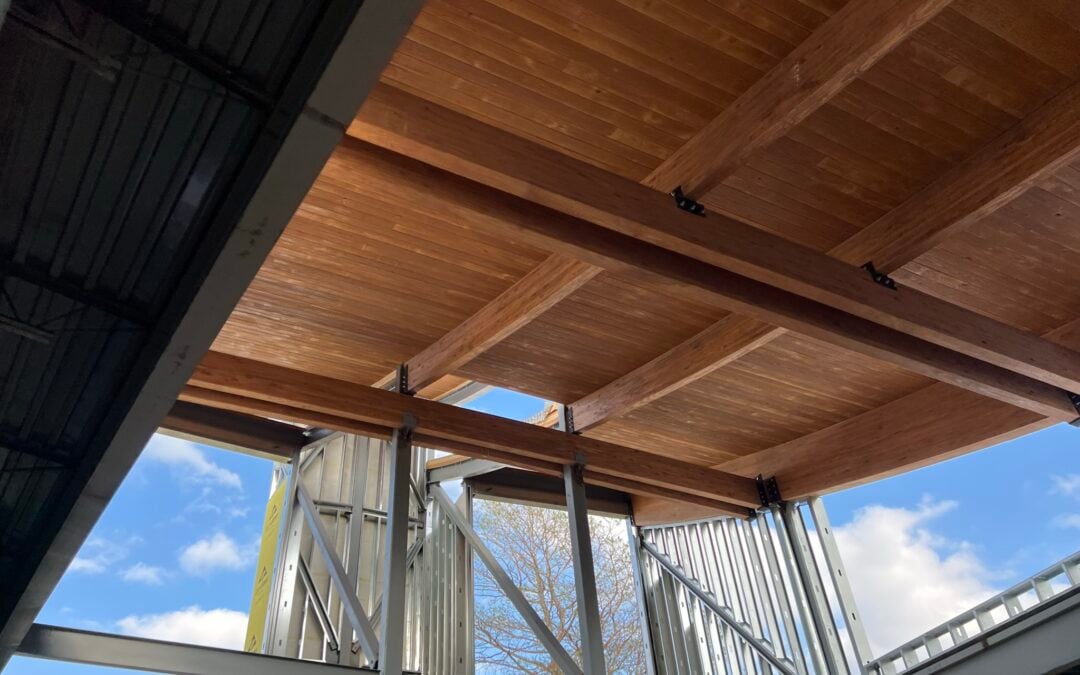
Glulam Beams at Fort Worth City Hall by Binkley Construction
Performance Benefits: Strength, Longevity, and Safety
Glulam beams maintain structural integrity even under heavy loads or changing weather conditions. They resist moisture, making them perfect for spaces with high traffic or humid climates. Their ability to span long distances with fewer supports keeps large interiors open and flexible. Here are some ways glulam beams make large projects more reliable:
- Handle heavy loads safely
- Resist moisture and warping in challenging environments
- Reduce the need for extra columns in open spaces
- Offer consistent performance over time
- Combine strength with design flexibility
Why Builders Choose Glulam for Public and Commercial Projects
Builders and architects choose glulam beams because they offer both strength and style. Their flexible design makes it easy to create wide-open rooms, curved shapes, or exposed ceilings without losing support. Made from renewable wood, glulam is also a more eco-friendly choice than steel or concrete.
Engineered wood products like glulam meet strict building codes while allowing creative freedom. You can use them in schools, churches, city halls, or large community spaces. Glulam beams can hold heavy loads and stretch across long spans, making them perfect for buildings that need to last for many years.
Glulam beams also bring beauty to any project. They turn simple structures into impressive spaces, proving that great design and strong performance can work together.
FAQs About Interior Glulam Beams
What exactly are glulam beams?
Glulam beams, or glued laminated timber, are made by bonding layers of wood together under pressure. This makes them stronger than solid wood beams of the same size and gives them flexibility in design.
Where are glulam beams typically used?
They’re popular in schools, churches, city buildings, and community centers because they can span long distances without extra supports. They’re also used in homes for exposed ceilings or decorative beams.
Are glulam beams durable?
Yes. They resist moisture, handle heavy loads, and maintain structural integrity over time, making them great for high-traffic or humid environments.
Can glulam beams be customized?
Definitely. They can be stained, painted, or left natural to match any design style. Curved or straight, exposed or hidden—they’re flexible.
How do glulam beams compare to steel or concrete?
They’re lighter, easier to install, and more cost-effective. Plus, they’re made from renewable wood, which makes them a more eco-friendly option.
Do glulam beams meet building codes?
Yes. Engineered wood products like glulam are designed to meet strict building codes while still allowing creative design freedom.
Interior Glulam Beams with Timeless Appeal
Interior glulam beams bring strength, beauty, and flexibility to many types of buildings. They hold heavy loads, stretch across long spaces, resist moisture, and look great in commercial spaces.
As mass timber experts serving the Southern U.S., our team designs and installs glulam beams that make each space strong and stylish.
Ready to add strength and style to your next project? Contact us today to see how interior glulam beams can improve your commercial, school, or city building.